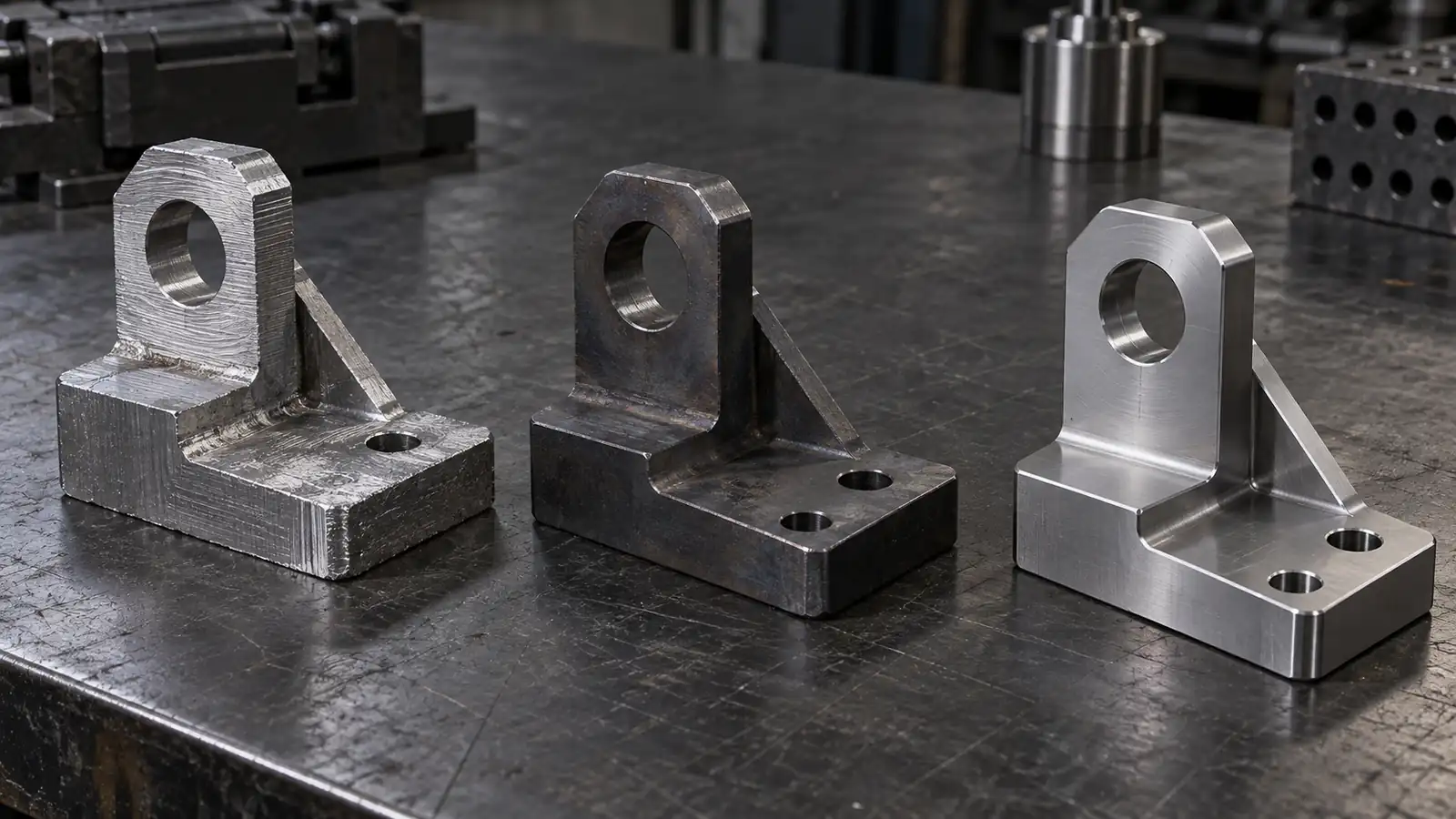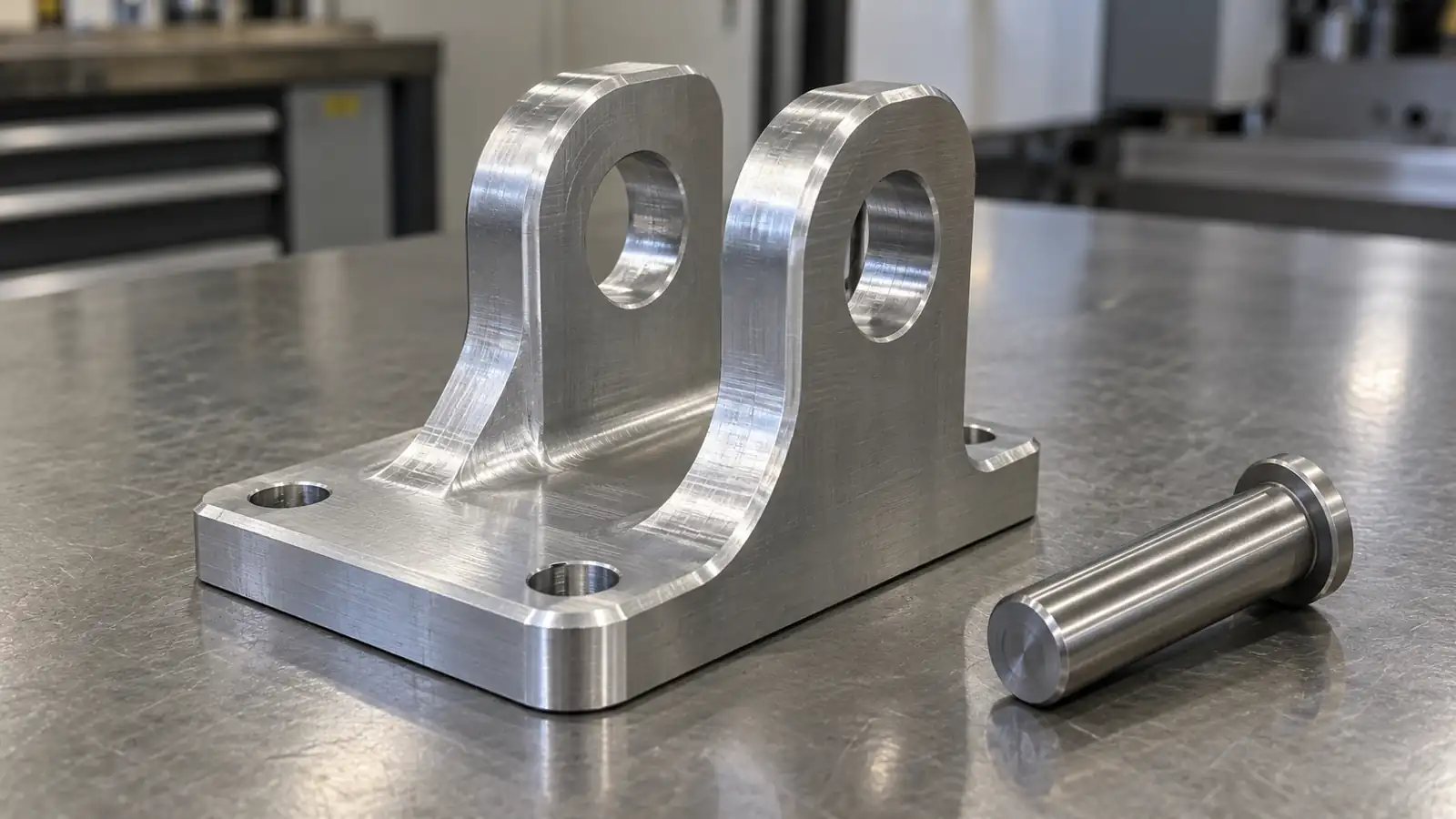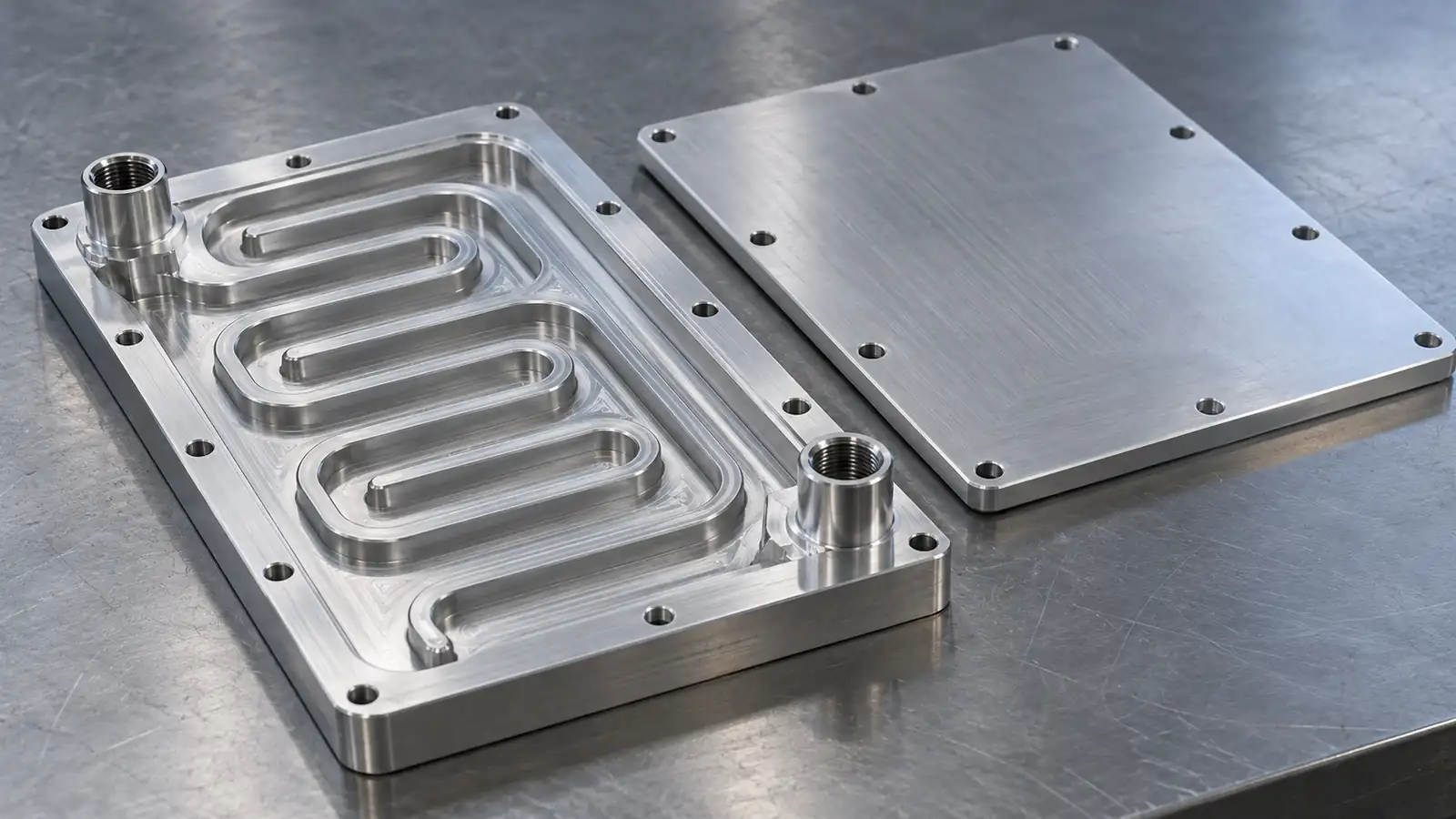
A quality agreement for a complex CNC part should answer who verifies each requirement, what evidence is delivered, and what happens when the process changes or a part does not conform. It should not be a generic promise of “100% quality.” For multi-face, five-axis-machined components, the useful scope is part-specific: revision control, datum-based inspection, outside processing, lot traceability, acceptance decisions, and change notification. These points belong in technical purchasing documents before the first shipment.
Begin with the governing definition
Identify the controlled drawing or model, revision, material and condition, finish specification, purchase-order quantity, and any approved deviations. State whether the 2D drawing, model-based definition, or a named combination governs. If a characteristic is specified using ASME Y14.5 conventions, keep the interpretation within that system unless engineering explicitly resolves a different standard. A quality clause cannot repair contradictory product data.
List critical-to-function features separately from routine dimensions. The buyer should explain why each matters—assembly alignment, sealing, bearing fit, electrical contact, or visual acceptance. This helps the supplier propose proportional controls and prevents a costly blanket requirement to measure every feature on every part without a technical basis.
Define inspection by characteristic and stage
For each critical characteristic, agree on the datum reference, measurement stage, method, sampling, record format, and disposition rule. A cross-face position callout may be sensitive to fixture transfer and CMM alignment. A coated thread or bore needs clarity on whether acceptance applies before or after finishing. A surface texture callout needs an agreed measurement location and direction where that affects the result. Terms such as “CMM inspection included” are too vague unless the report identifies the characteristics and evaluation basis.
Measurement uncertainty matters near a tolerance limit. A decision rule is the rule for accounting for uncertainty when declaring conformity. If the application is sensitive or a result is borderline, agree in advance whether a guard band, customer review, or another rule applies; do not let the supplier and buyer apply different implicit pass/fail logic after the part is made. NIST defines decision rule in this conformity context, but the actual rule must be selected for the contract and measurement process.

Allocate responsibility for outside processes
If anodizing, plating, heat treatment, passivation, or special cleaning is part of the order, identify who selects the processor, approves its instructions, controls masking, and checks the returned parts. Record whether a certificate or process report is required and who verifies that it matches the shipped lot. Do not assume a shop's machine inspection covers dimensions that change during a later finish.
Specify functional surfaces that must stay bare or conductive, threaded-hole protection, appearance limits, and any post-finish dimensional acceptance. If the processor proposes a substitution or a different route, decide who must approve it. The exact finish and acceptance criteria come from the design and customer requirements; a generic quality agreement should reference them, not invent a universal thickness or tolerance.
Define first-article and ongoing evidence separately
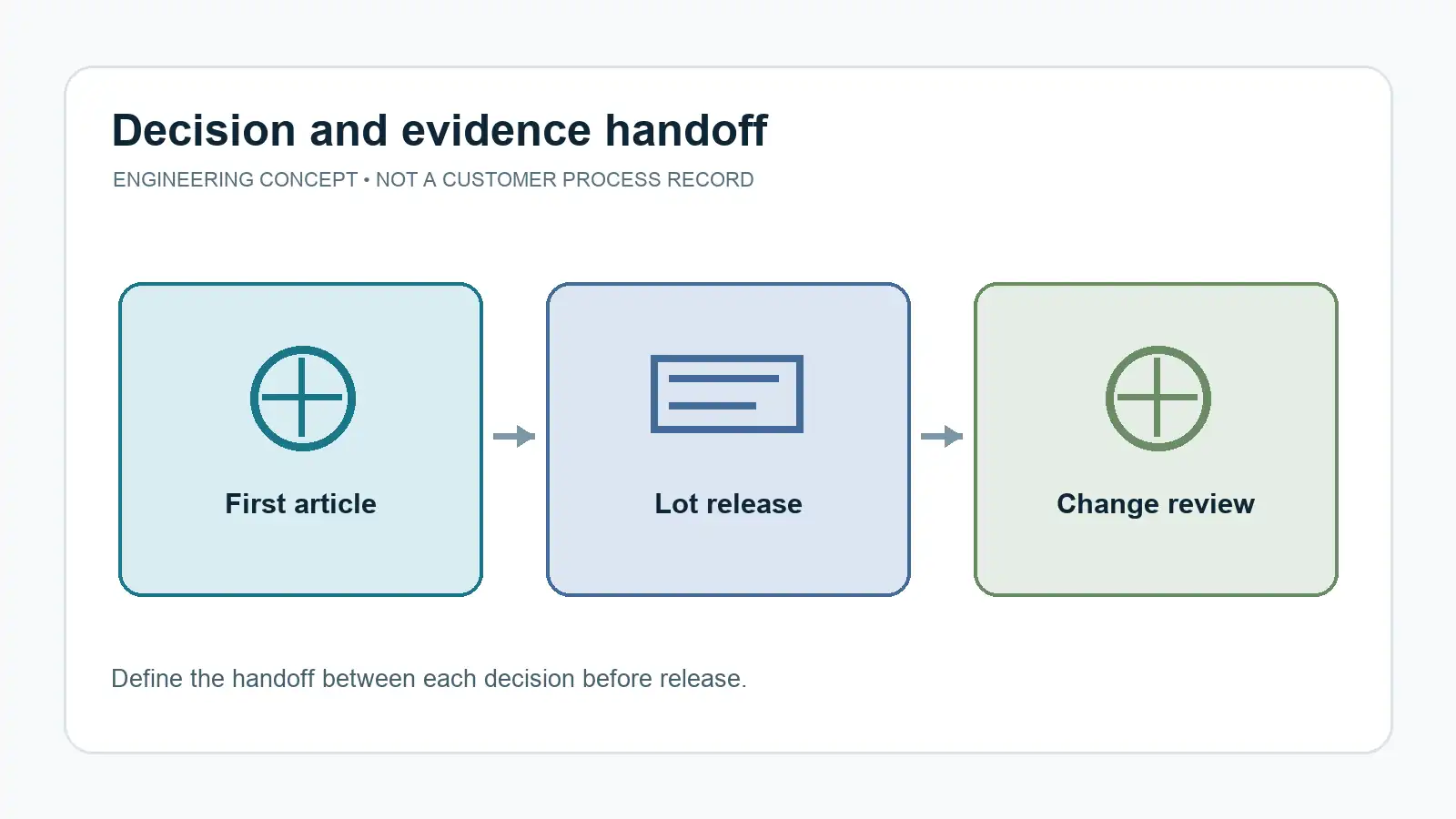
A first-article report verifies a defined first-production condition; routine release inspection checks subsequent lots according to the agreed control plan. The two packages need not be identical. For each, specify the characteristics, sample or lot basis, report form, material or finish certificates, and any photo evidence. A report should identify the part number or approved identifier, revision, quantity or lot, measurement units, date, and disposition, while protecting confidential information in any example shown to other customers.
If a program contract invokes SAE AS9102C, follow that standard and customer additions. Its documented aerospace FAI requirements are not automatically required for every commercial CNC purchase. Conversely, calling an informal first-off check “FAI” does not make it compliant with AS9102C. State the intended scope in the purchase documents.
For ongoing deliveries, specify whether evidence is supplied with every shipment, held and available on request, or required only after a change. This affects price and lead time, so it must be quoted consistently. Where statistical process evidence is relevant, identify the actual feature and production volume; do not demand capability indices from a prototype run with too little data.
Plan for nonconformance before it occurs
Define how suspect parts are segregated and reported, what information accompanies a deviation request, and who may approve use-as-is, rework, or scrap. A supplier should not silently blend reworked parts into a shipment if the rework could affect a critical characteristic. The buyer should decide whether a concession applies to one serial or lot only, and whether recurring deviation demands a drawing change.
Agree on the communication deadline for a discovered nonconformance, especially if earlier lots may be affected. Do not write an unrealistic universal number without considering the application's urgency and business terms. The agreement should identify a contact role and a method to trace affected lots. This is a technical quality workflow, not legal advice or a substitute for commercial terms reviewed by the parties.
Establish change notification and record retention
List changes that require notice or approval: manufacturing location, material source or condition, fixture reference, process sequence, outside processor, finish instructions, critical inspection method, or software/program revisions that affect the accepted result. Some routine changes may be managed within the supplier's quality system; the parties should classify them by impact. A five-axis machine swap is not automatically harmless or automatically prohibited. The question is whether the approved characteristics and evidence remain valid.
Specify lot or serial identification where needed, retention period for records, and how the buyer can request a trace package. Avoid copying a certification logo into the agreement as proof of part capability. ISO released ISO 9001:2026 in September 2026; any supplier certificate claim should be checked against its actual edition, scope, validity, and applicable transition arrangements. Certification is one input, not an acceptance method for this part.
A compact agreement attachment
A practical attachment can use six sections: product baseline; critical-characteristic matrix; outside-process responsibilities; first-article and lot-release evidence; nonconformance disposition; and change/traceability rules. Cross-reference the drawing and purchase order so a future revision is not silently accepted under an obsolete plan. Review the attachment with engineering, quality, purchasing, and the supplier before order release.
For an initial non-confidential discussion with JIZAO, describe the material, part family, release quantity, finishing route, and evidence level you expect. Ask which requirements need clarification before controlled files are shared via an approved route. This article does not assert a specific JIZAO certificate, equipment capability, yield, or inspection result.
Frequently asked questions
Should every dimension appear on every shipment report?
Not necessarily. Define critical features, first-article coverage, routine sampling, and retained evidence based on product risk and contract. A blanket requirement can add cost without improving the decision.
Who decides whether a borderline result is acceptable?
The agreed acceptance and uncertainty decision rule should decide, with the named buyer authority handling exceptions. Do not invent the rule only after a result is near a limit.
Does ISO 9001 certification replace a part-specific agreement?
No. A quality-management system certificate does not define your drawing revision, finish acceptance, datum alignment, report package, or change-notification thresholds.