A2 tool steel offers good wear resistance and toughness, making it a common choice for fixtures, tooling, gauges, punches, and other precision wear-resistant components.

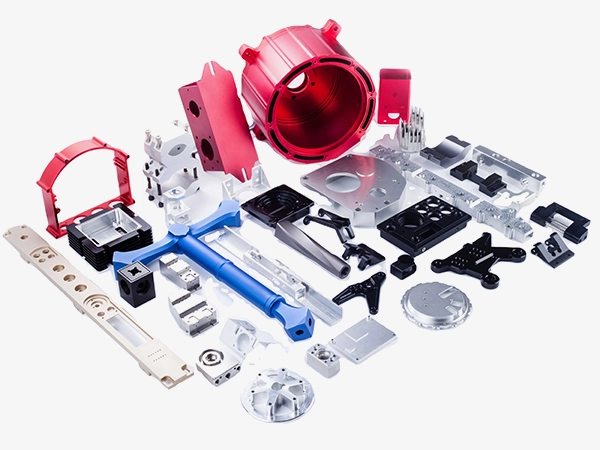
From prototyping to mass production, JIZAO provides precision CNC machining services for custom metal and plastic parts, offering direct technical support from our engineers throughout the entire process. We specialize in industries with exceptionally rigorous process requirements, possessing extensive experience in manufacturing complex parts, thin-walled structures, and components made from difficult-to-machine materials.
Tolerance accuracy up to ±0.025 mm (±0.001″); engineers can complete solution review within 24 hours; CNC parts can be manufactured in as little as 1 day, and 95.4% of orders can be delivered on time and in full quantity.
✅ISO 9001:2015 Certified QMS
✅Engineer-Reviewed RFQs
✅ 45+ Certified Materials,13+ Finishing Options
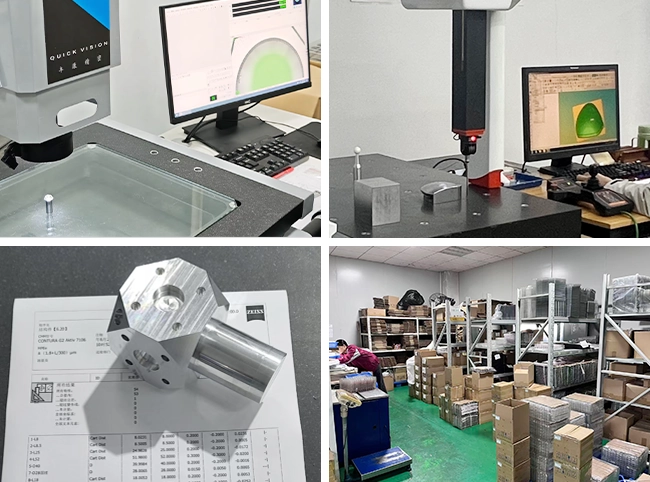
✅Hand Metrology, Laser &CMM Inspections
JIZAO provides flexible CNC machining support for custom metal and plastic parts, from prototype builds to batch production. With engineer-led project review and stable manufacturing processes, we help customers produce parts with reliable quality, practical lead times, and direct technical communication.
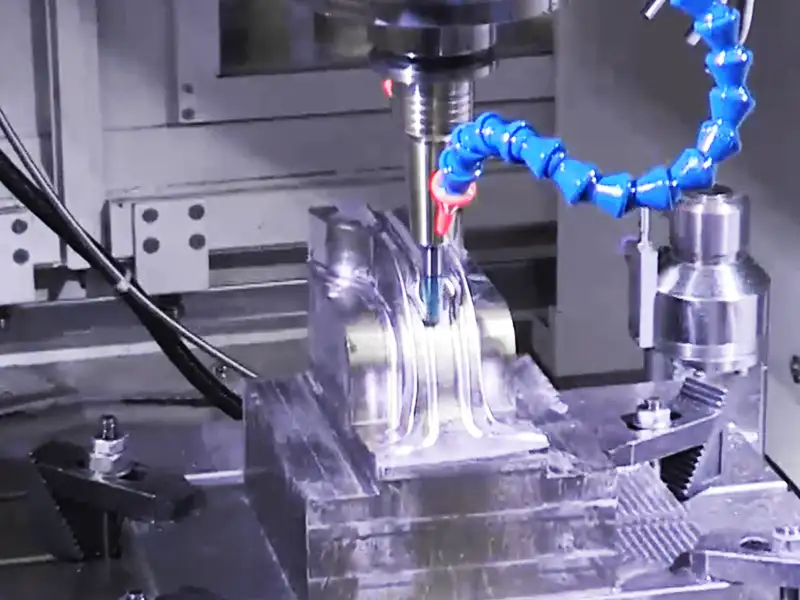
Ideal for standard prismatic parts, flat surfaces, slots, pockets, and threaded features with stable accuracy and efficient production.
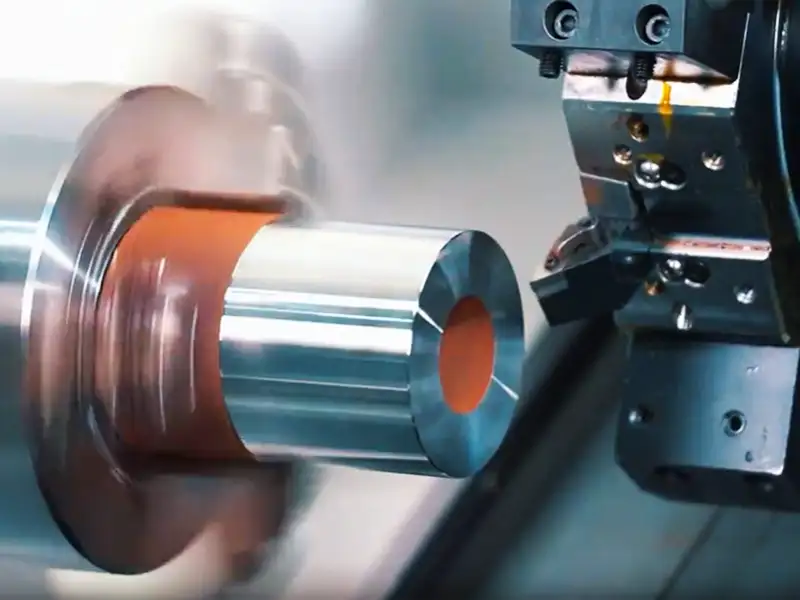
Suitable for shafts, pins, sleeves, housings, and other cylindrical parts requiring consistent diameters, grooves, and threaded features.
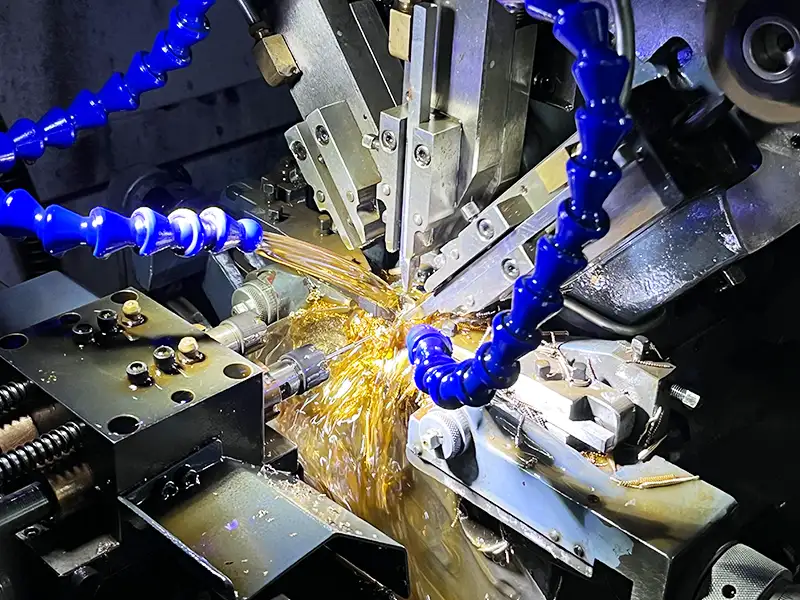
Designed for small, high-precision turned parts with tight tolerances, making it well suited for slender, complex, and repeatable components.
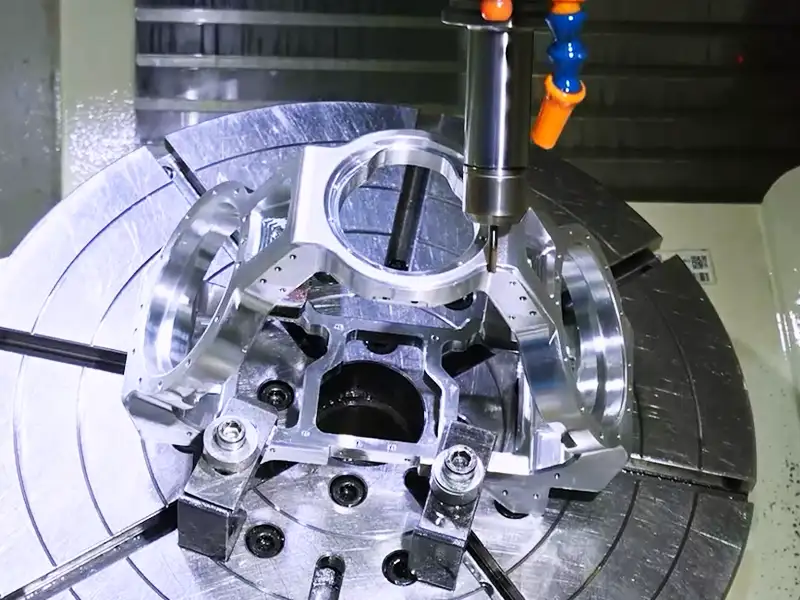
Best for complex geometries, multi-side features, thin-wall parts, and difficult-to-machine components that require fewer setups and better accuracy.
| Description | |
|---|---|
| General Tolerances | Metals : ISO 2768-m Plastics : ISO 2768-c |
| Precision Tolerances | JIZAO CNC can manufacture and inspect parts with strict tolerances according to your drawing specifications and GD&T annotations, including tolerances tighter than +/- 0.001 inches. |
| Min Wall Thickness | 0.5mm |
| Min End Mill Size | 0.5mm |
| Min Drill Size | 1mm |
| Maximum Part Size | CNC Milling: 4000×1500×600 mm CNC Turning: 200×500 mm |
| Minimum Part Size | CNC Milling: 5×5 ×5 mm CNC Turning: 2×2 mm |
| Production Volume | Prototoyping: 1-100 pcs Low volume: 101-10,000 pcs High volume: Above 10,001 pcs |
| Lead Time | 5 bussiness days for most projects. Delivery of simple parts can be as fast as 1 day. |
Choose from 10+ surface finish options for CNC prototypes and production parts. From cosmetic improvements to enhanced corrosion and wear resistance, our finishing options help match part appearance and performance to your application.
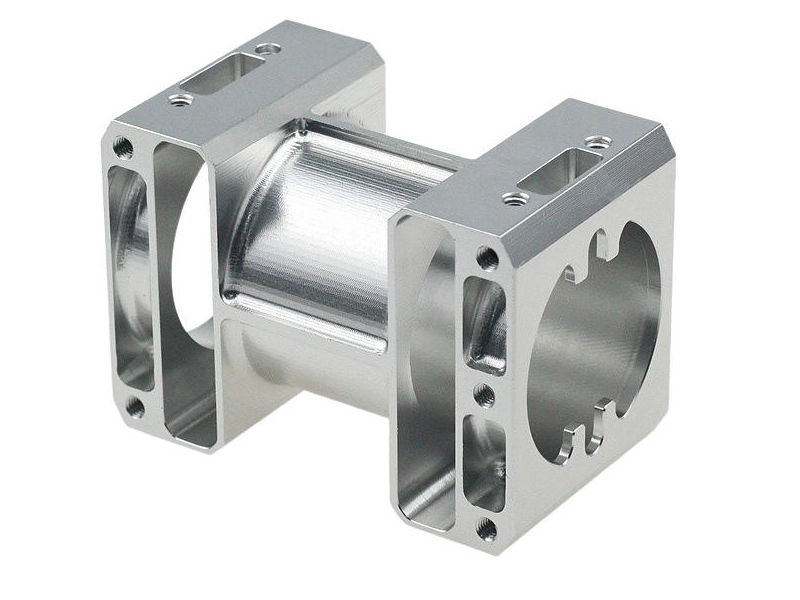
As-machined parts retain the surface directly from CNC machining, including visible tool marks. This is a cost-effective option for functional parts where cosmetic appearance is not the primary concern.
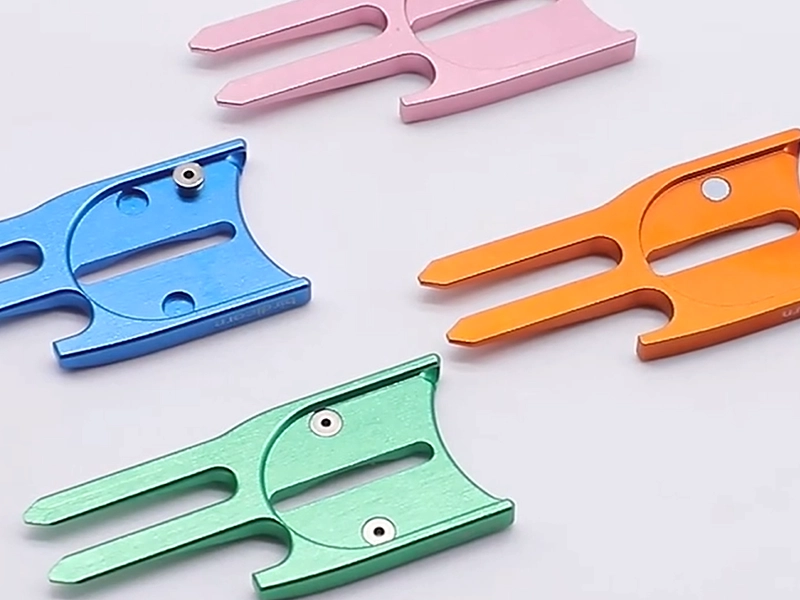
Anodizing improves corrosion resistance and surface durability while allowing color dyeing. It is commonly used for aluminum parts requiring both protection and appearance enhancement.
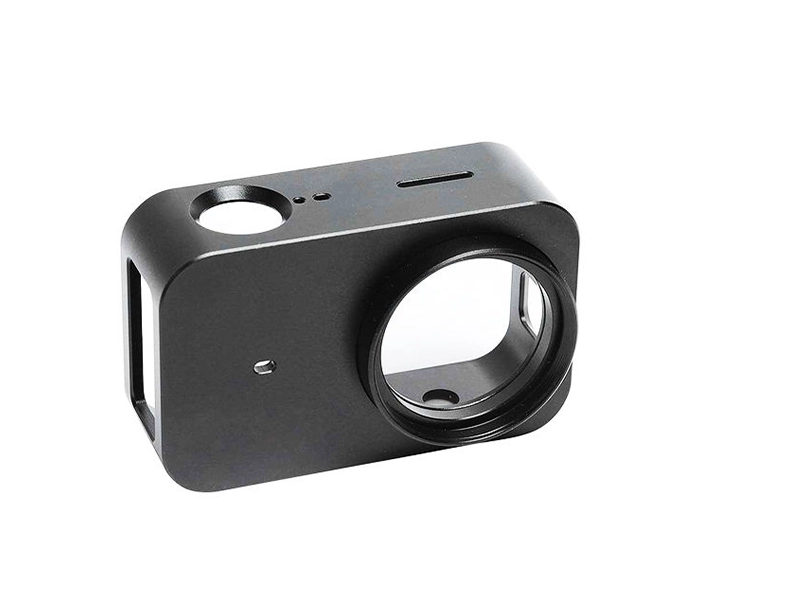
Black oxide is a conversion coating commonly used on ferrous metals to reduce light reflection and provide mild corrosion resistance, typically with a post-treatment such as oil or sealant.
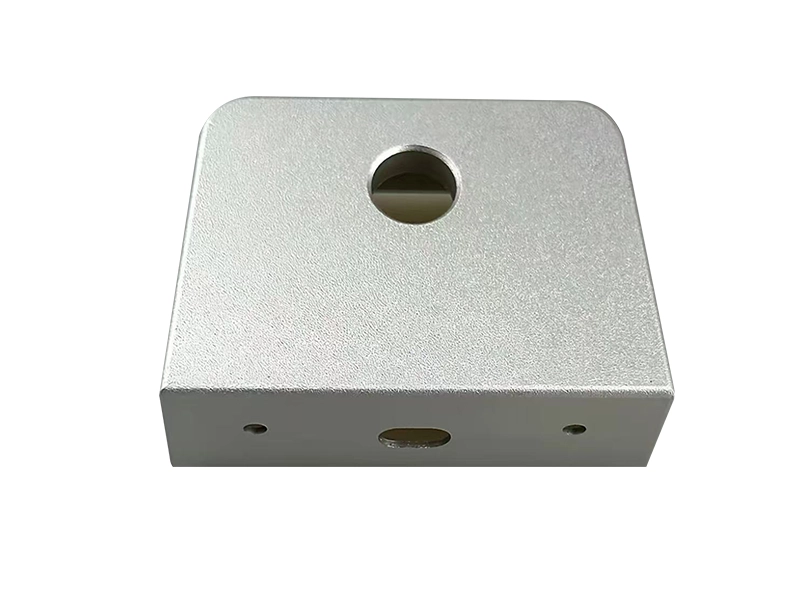
Sand blasting uses pressurized abrasive media to create a uniform matte texture and improve surface consistency. It is often used to reduce the visibility of machining marks and prepare parts for further finishing.
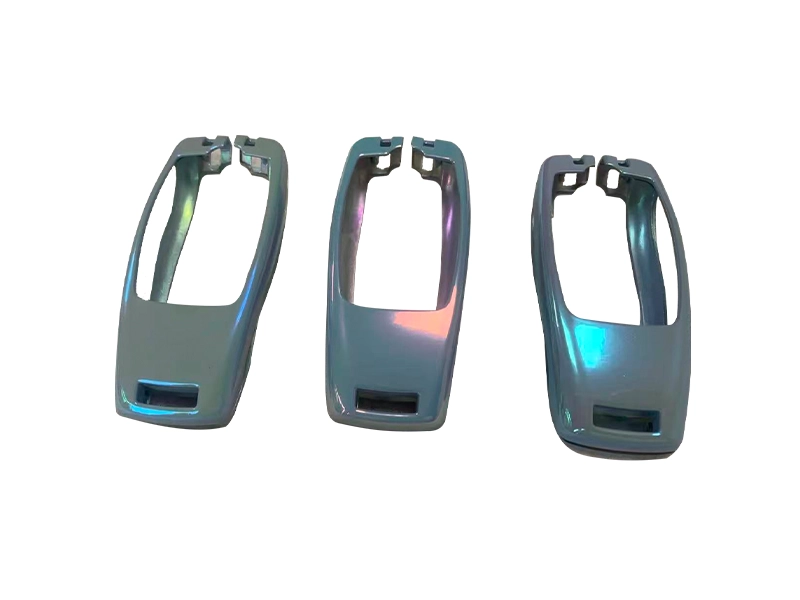
Powder coating applies a durable protective layer with a wide range of color and texture options. It is commonly used to improve appearance and corrosion resistance on a variety of metal parts.
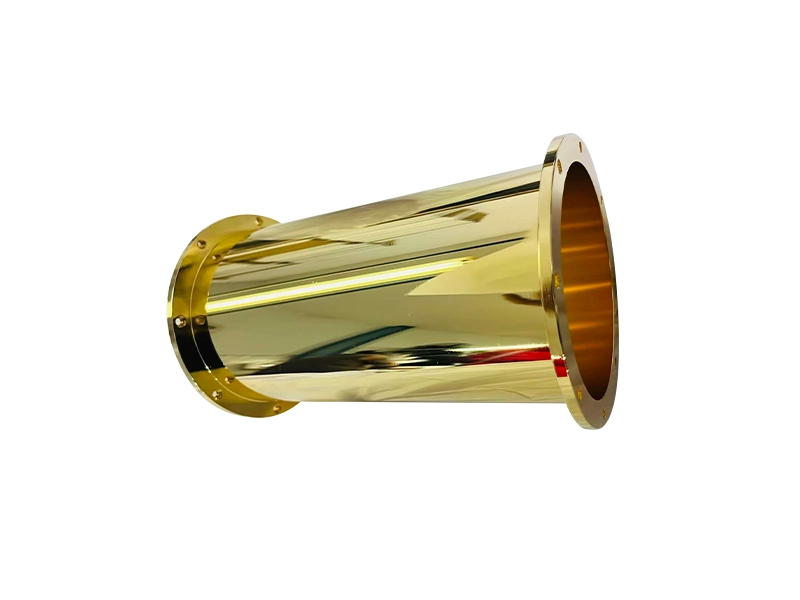
Electroplating deposits a thin metal coating onto the part surface to improve corrosion resistance, appearance, and, in some cases, wear performance or conductivity, depending on the plating type.
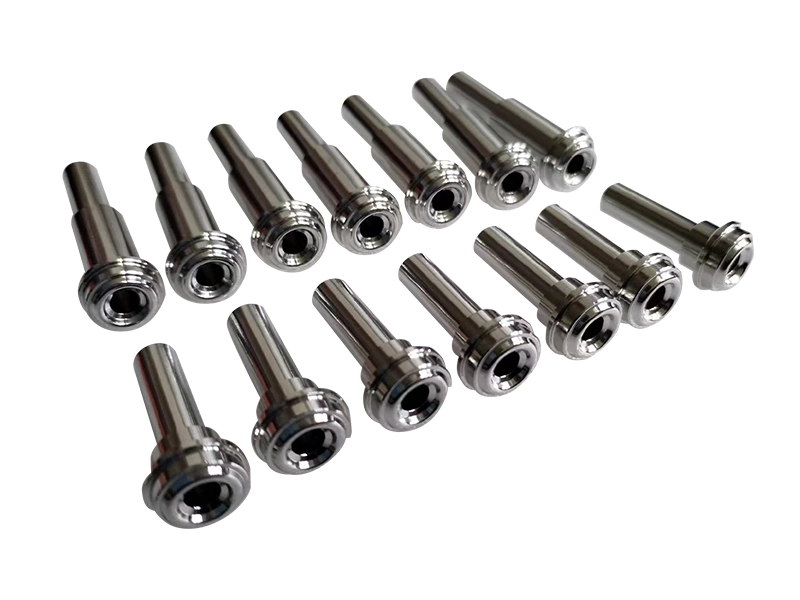
Polishing reduces surface roughness and creates a smoother, more refined appearance. Depending on the material and polishing level, it can produce finishes ranging from satin to high gloss.
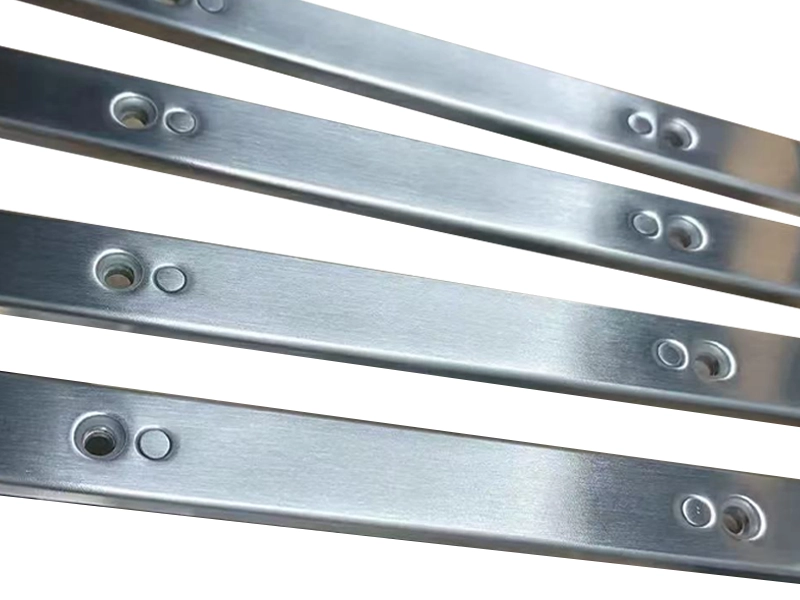
A brushed finish creates a uniform, unidirectional satin texture that improves visual consistency and helps reduce the visibility of light scratches and machining marks.
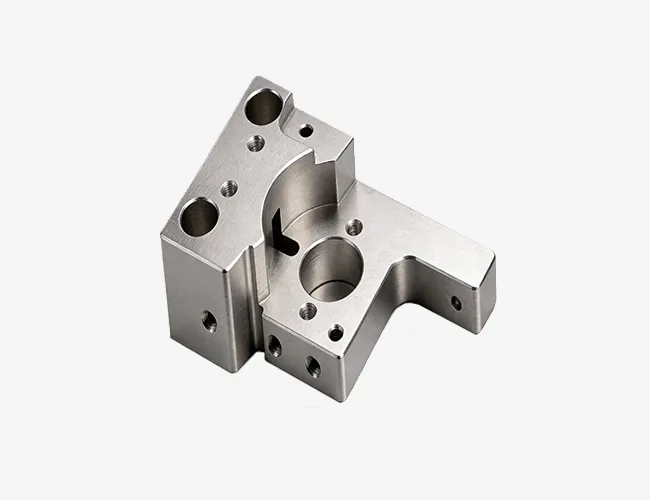
A2 tool steel offers good wear resistance and toughness, making it a common choice for fixtures, tooling, gauges, punches, and other precision wear-resistant components.
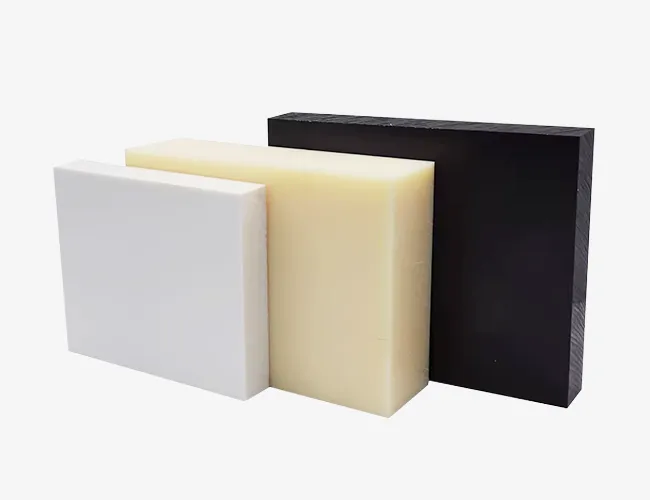
ABS (Acrylonitrile Butadiene Styrene) is a cost-effective thermoplastic widely used for prototypes and end-use parts. It offers good strength, durability, and impact resistance, along with easy machinability and processing. ABS is commonly used in the automotive, consumer electronics, and general industrial sectors. Grades with enhanced properties, such as flame retardancy or UV resistance, are also available.
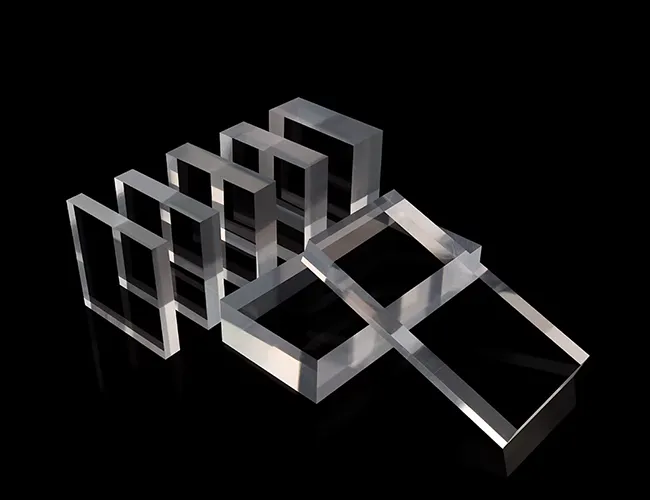
Acrylic (PMMA) is a lightweight transparent plastic known for its excellent optical clarity and good weather resistance. It is commonly used for panels, covers, display components, and other applications where appearance and light transmission are important. Acrylic is a popular alternative to glass because it is lighter and more impact-resistant, while still offering a clean, glossy appearance.
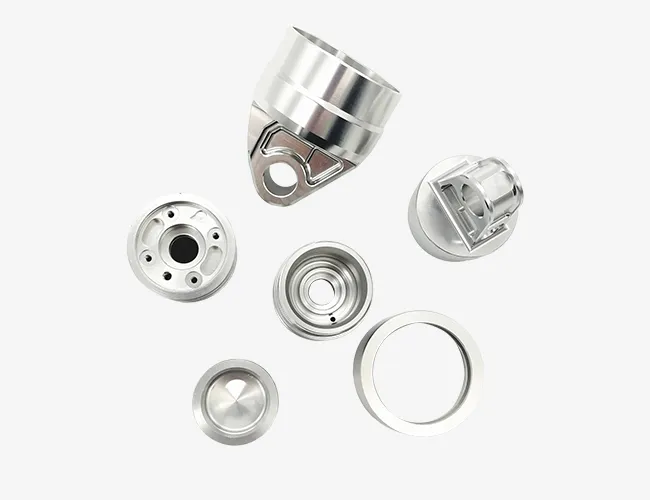
Aluminum is a lightweight and versatile material widely used across many industries. It offers a high strength-to-weight ratio, good corrosion resistance, and good thermal and electrical conductivity. These properties make aluminum a common choice for applications where weight reduction, durability, and heat dissipation are important.
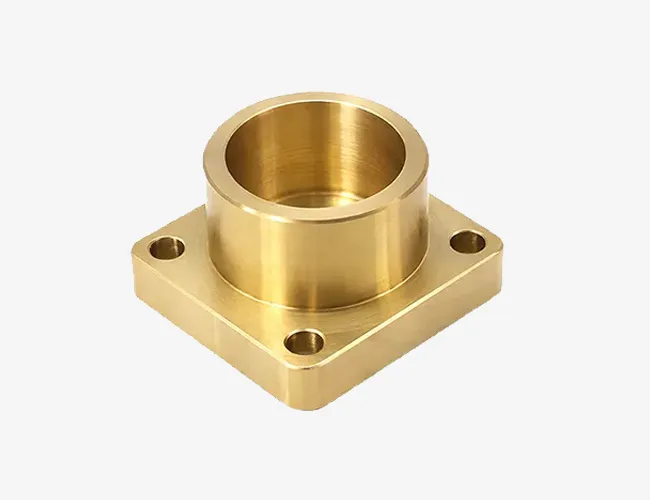
360 brass (free-machining brass) is widely used for precision machined parts that require excellent machinability, good corrosion resistance, and an attractive appearance. Common applications include fittings, valves, fasteners, gears, and decorative components. It also offers good electrical conductivity, making it suitable for selected electrical applications.
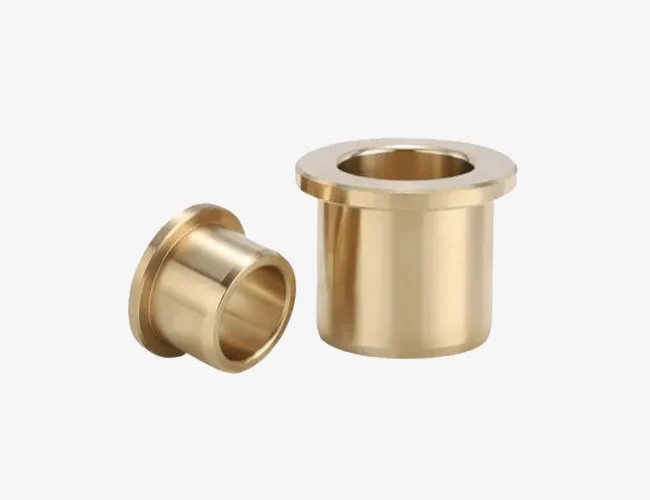
932 Bearing Bronze is a reliable and robust alloy, providing excellent wear and corrosion resistance due to its tin, iron, and zinc content. It is a great choice for applications requiring good wear resistance and corrosion resistance. This alloy is commonly used in applications that require high strength, low friction, and resistance to wear and tear. Because of its strength and durability, it is an ideal choice for bearings, bushings, thrust washers, valve components, and other parts subjected to heavy loads or harsh environments.
Cast iron is known for its durability and wear resistance, making it an excellent choice for absorbing vibration. It is commonly used in industrial applications such as gears, bases, pulleys, and bushings. Due to its ability to withstand high levels of stress and pressure, cast iron is often preferred for heavy-duty machinery and equipment. Its unique properties make it a reliable option for applications that require stable and long-lasting components.
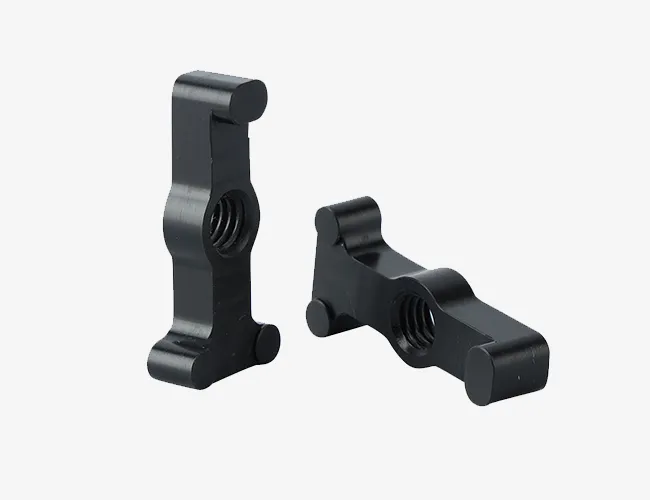
Copper 101 and 110 have unmatched thermal and electrical conductivity, making them a popular choice for bus bars, wire connectors, and other electrical applications, including parts for power transmission and distribution systems. Copper 101 and 110 also offer excellent durability, corrosion resistance, and ease of fabrication. They are commonly used in high-performance electrical components such as transformers, generators, motors, and switchgear.
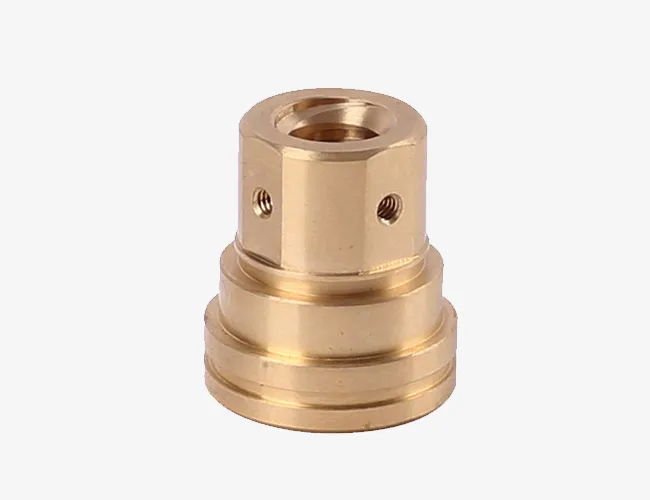
Delrin (acetal) is a plastic with low friction and high stiffness. It offers excellent dimensional accuracy, making it an ideal choice for applications where precision is critical. It also has relatively high toughness, giving it good resistance to impact and wear. Delrin’s low elongation helps it maintain its shape under stress with minimal deformation. Delrin is commonly used in a variety of industries, including automotive, aerospace, and consumer goods.
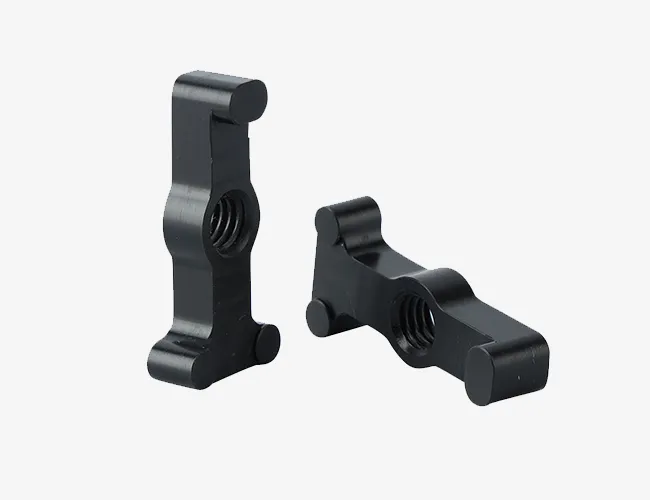
Garolite G-10 is a high-pressure laminate made from layers of woven fiberglass cloth impregnated with epoxy resin. It is a strong and rigid material with excellent electrical insulation and good water resistance. Garolite G-10 is also known for its high mechanical strength, dimensional stability, and low coefficient of thermal expansion. It is commonly used for insulating components, circuit boards, and other electrical applications.
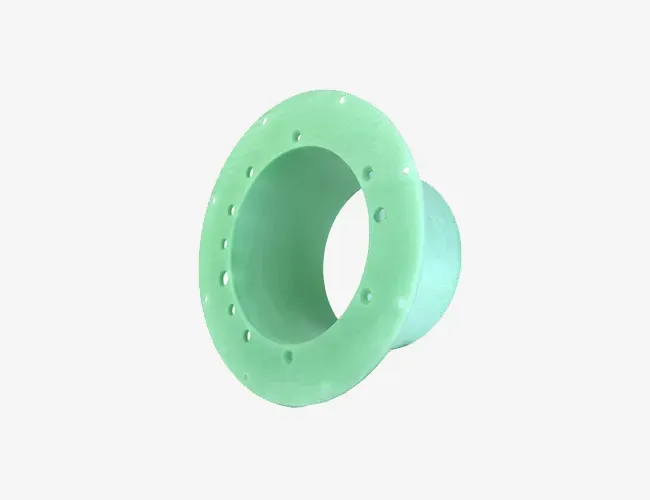
High-density polyethylene (HDPE) is a versatile thermoplastic known for its durability, chemical resistance, impact resistance, structural integrity, and low moisture absorption. It is commonly used in packaging, construction, and automotive industries, as well as for components such as plugs and seals. HDPE also offers good electrical insulating properties.
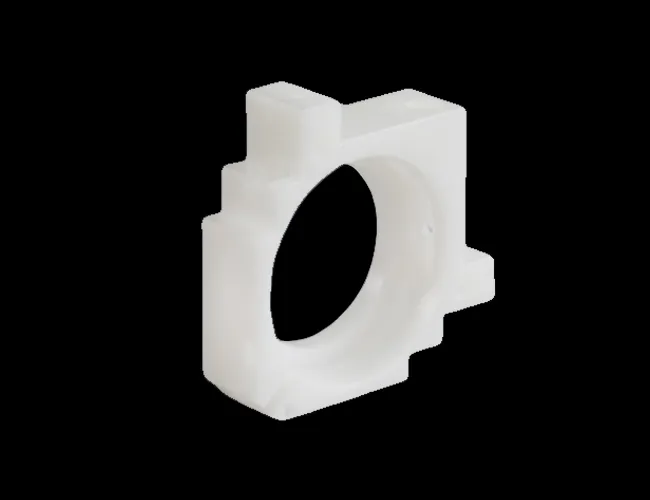
Invar is a nickel-iron alloy known for its high dimensional stability and very low thermal expansion. It is commonly used in aerospace, electronics, and precision engineering applications where dimensional changes caused by temperature variation must be minimized. Common applications include precision instruments, measuring devices, satellite structures, antennas, and optical systems.
Kovar is a Ni-Fe-Co alloy known for its controlled thermal expansion and dimensional stability. It is commonly used in electronics, telecommunications, and aerospace components, especially for hermetic seals in devices such as vacuum tubes, transistors, and other electronic packages. Its ability to closely match the coefficient of thermal expansion of glass helps create airtight seals that protect sensitive components from moisture and contaminants.
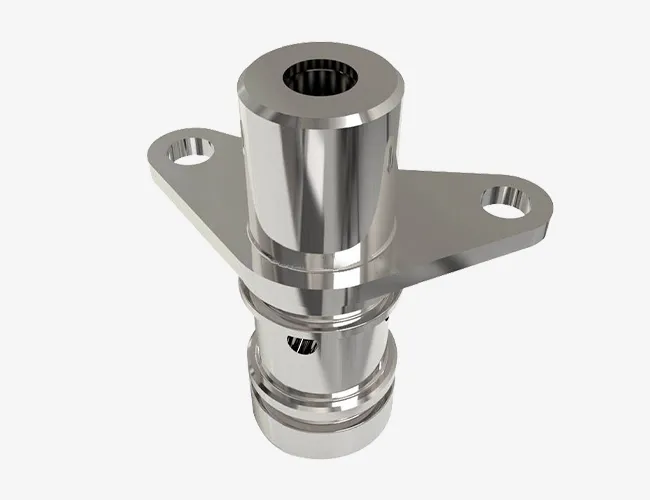
Magnesium offers an excellent strength-to-weight ratio and is widely used in industries such as automotive, aerospace, and electronics. Common applications include lightweight components designed to improve fuel efficiency and reduce emissions, as well as aircraft structures, engine blocks, transmission cases, and wheels. Its low density allows significant weight savings without sacrificing performance, making it highly desirable for weight-sensitive applications.
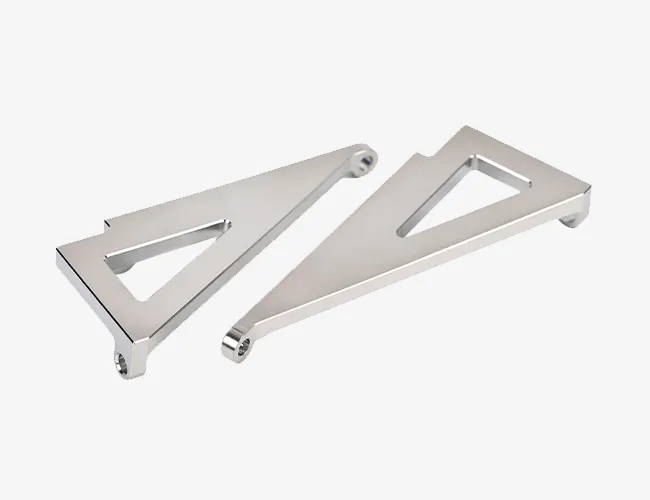
Nylon is a thermoplastic with high strength, wear resistance, excellent sound and vibration dampening, and a low coefficient of friction. It is commonly used in engineering and manufacturing applications. Common applications include gears, bearings, and bushings. Nylon is also widely used in medical devices and electrical insulation, including components such as screws and spacers for panel-mounted circuit boards.
Mill Lead Time: As fast as 3 days
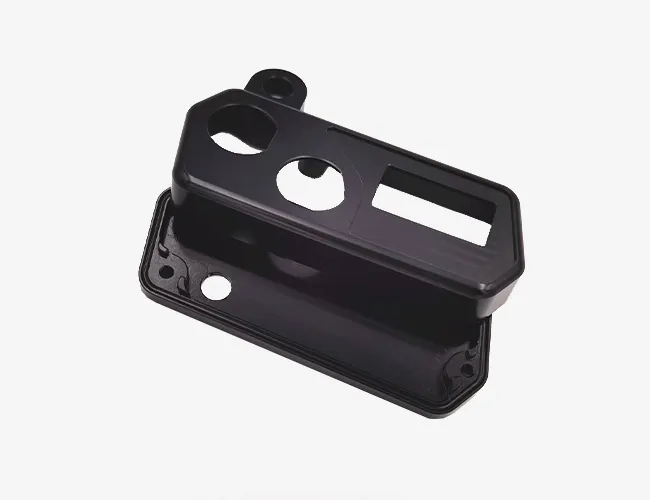
PEEK (polyether ether ketone) is a high-performance thermoplastic widely used in industries such as aerospace, automotive, electronics, and medical. PEEK offers high strength, stiffness, toughness, chemical resistance, biocompatibility, and thermal resistance. Due to these properties, it is well suited for demanding environments where other plastics may fail. Common applications include aerospace components, high-temperature electrical and electronic parts, and medical and dental components.
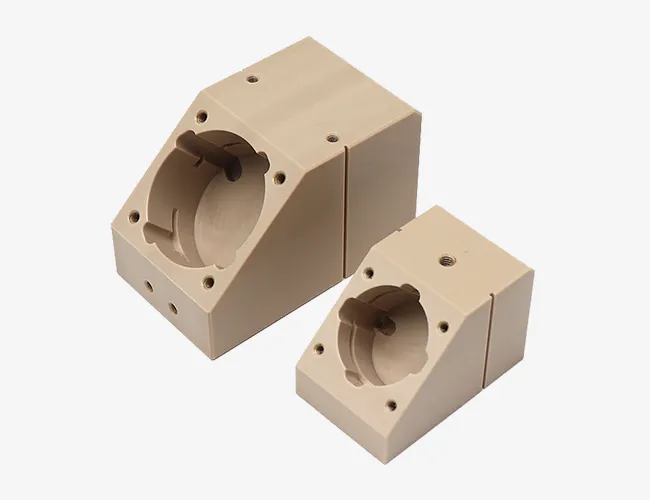
Polycarbonate is a durable and transparent thermoplastic with good electrical insulation, heat resistance, impact resistance, and optical clarity. Common applications include safety glasses, protective shields, electrical enclosures, connectors, and insulators. It is one of the most widely used plastics in manufacturing.
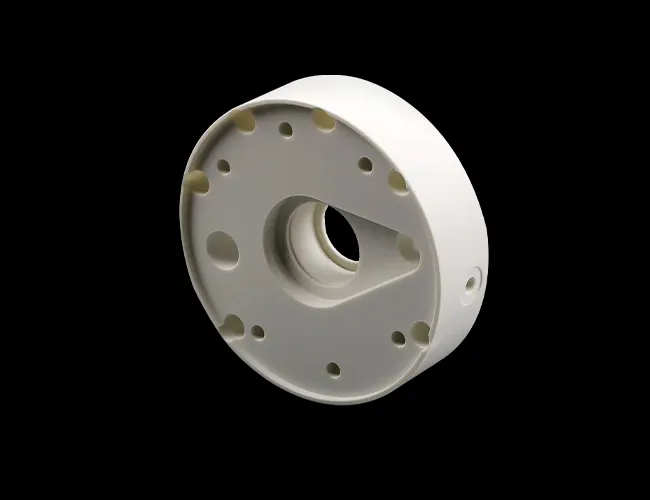
Polypropylene (PP) is a thermoplastic with a high melting point, a high strength-to-weight ratio, and excellent chemical resistance, moisture resistance, and fatigue resistance. Common applications include laboratory equipment, medical devices, food processing equipment, consumer goods, aircraft interior components, ducting, housings, automotive bumpers, fuel tanks, and battery cases.
Mill Lead Time: As fast as 3 days
Colors: White (semi-clear or opaque)
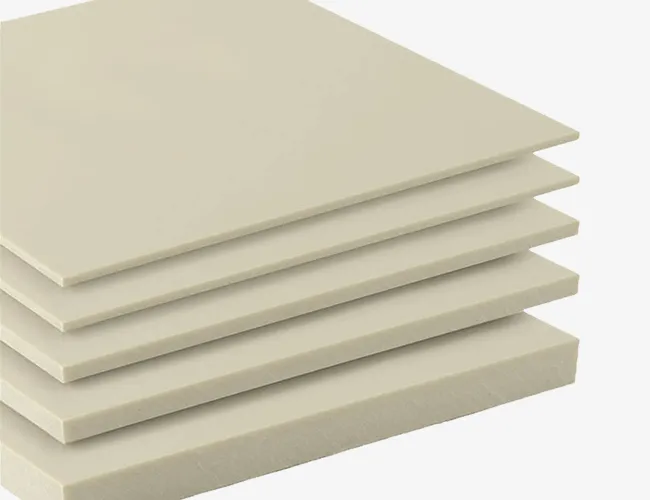
Polyphenylene sulfide (PPS) is a high-performance thermoplastic with excellent chemical resistance, thermal stability, high-temperature resistance, dimensional stability, and electrical insulation. Common applications include automotive components, electrical connectors, and industrial equipment, such as fuel system components, bearings, gears, switches, and engine components. PPS parts remain durable and reliable in harsh environments.
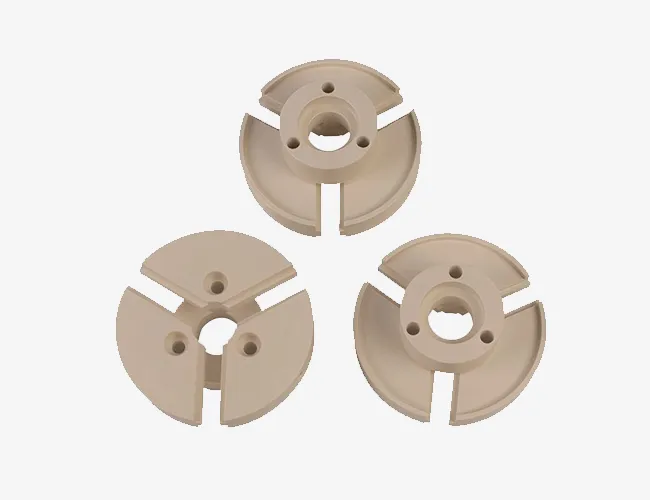
PTFE (Teflon™, polytetrafluoroethylene) offers low-friction, nonstick properties, excellent chemical resistance, high-temperature resistance, and good electrical insulating properties. It is commonly used in low-friction applications such as bearings, seals, gaskets, and washers. It is also suitable for parts that require electrical insulation.
PVC (polyvinyl chloride) is a durable and versatile plastic with good chemical, UV, and corrosion resistance. Common applications include pipes, fittings, electrical enclosures, tubing, automotive interior components, and commercial building components. It is cost-effective, lightweight, and offers a long service life.
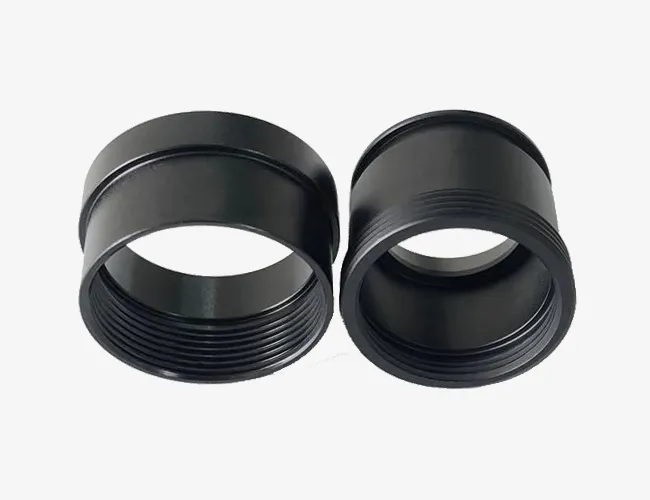
Stainless steel is a popular and versatile material known for its strength, durability, high-temperature resistance, and corrosion resistance. It is widely used in industries such as construction, automotive, aerospace, and manufacturing, with applications ranging from heat exchangers, industrial ovens, and exhaust systems to construction equipment, heavy machinery, engine components, fasteners, tanks, pumps, valves, orthopedic implants, and medical equipment.
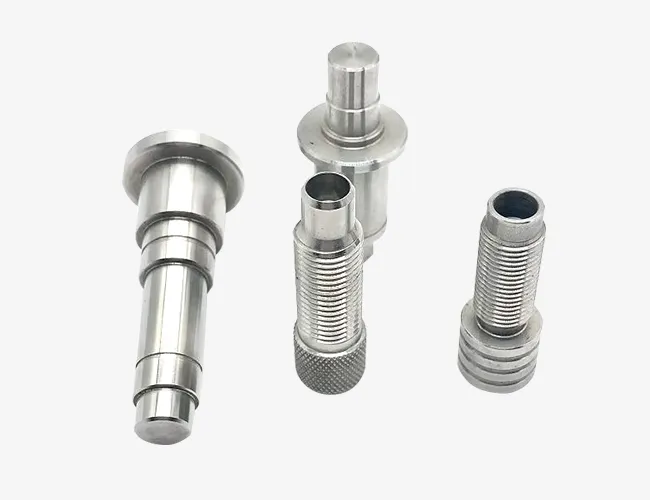
Steel is available in a range of alloy and carbon grades to meet the demands of different applications. Alloy steel and carbon steel are commonly used for fixtures, mounting plates, drive shafts, axles, torsion bars, gears, bolts, studs, shafts, and structural components. Steel offers excellent strength and durability, making it a reliable choice for demanding industrial applications.
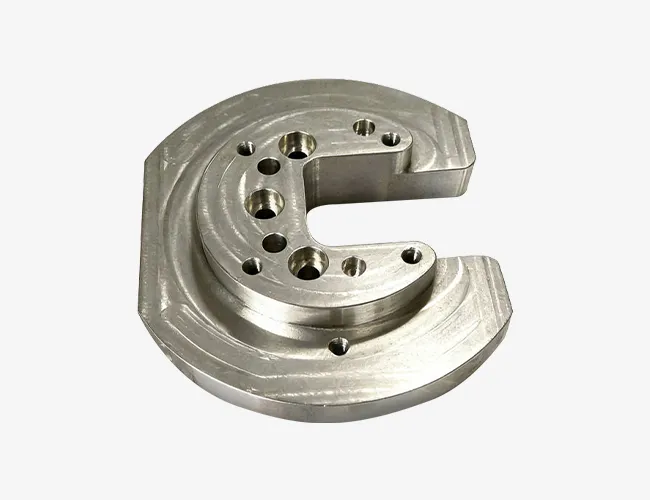
Titanium is lightweight, strong, biocompatible, and highly resistant to corrosion. It offers a high strength-to-weight ratio and excellent temperature resistance, making it a common choice in industries such as aerospace and medical. Common applications include engine components, structural parts, medical implants, prosthetics, aerospace fasteners, and sports equipment.
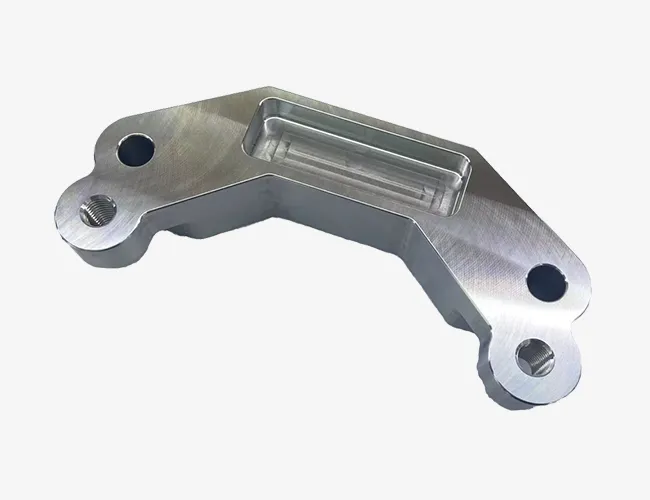
A2 tool steel offers excellent wear resistance and toughness, making it a common choice for fixtures, tools, tool holders, gauges, and punches.
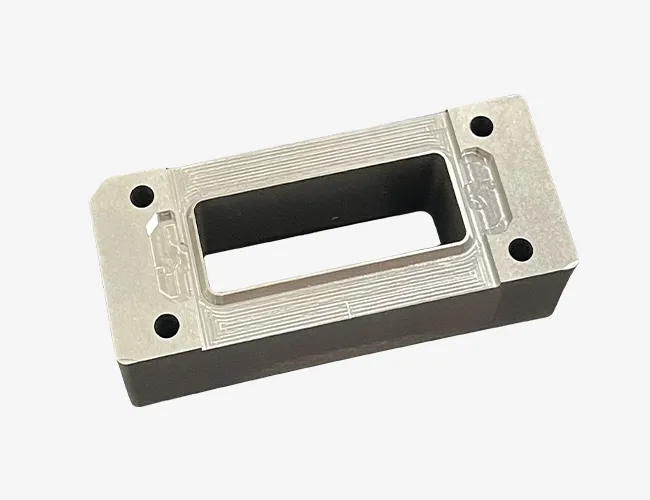
Torlon is a high-performance thermoplastic with exceptional mechanical strength, heat resistance, and chemical resistance, making it a reliable choice for demanding applications under extreme conditions. It is commonly used in industries such as aerospace, automotive, and oil and gas. Its excellent chemical resistance also makes it suitable for harsh environments where exposure to chemicals and solvents is common.
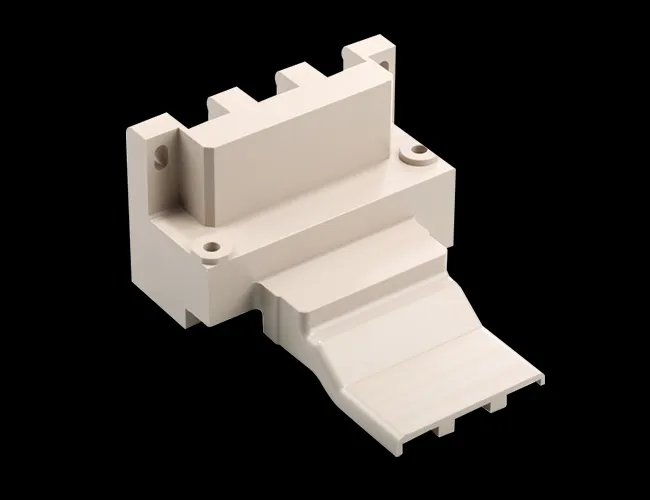
Ultra-high-molecular-weight polyethylene (UHMW) offers high abrasion resistance, excellent wear resistance, low friction, and strong impact resistance. It is also lightweight, self-lubricating, and chemically resistant. Common applications include gears, bearings, liners, conveyor components, and parts used in food processing, agriculture, and automotive industries. Another advantage of UHMW is its ability to absorb shock.
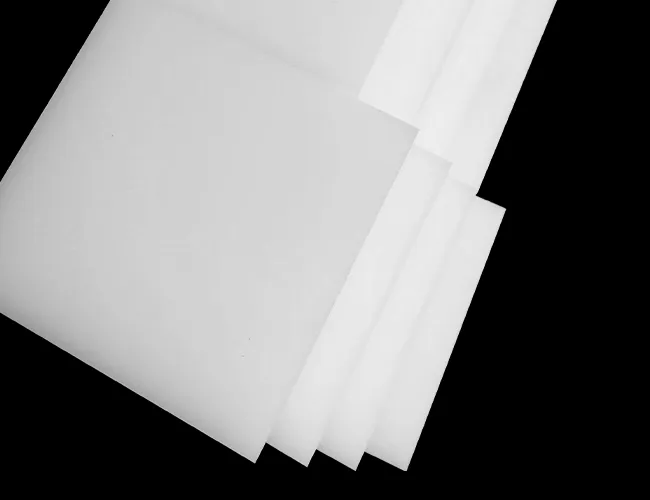
ULTEM is a high-performance thermoplastic with exceptional strength, stiffness, durability, heat resistance, low flammability, and excellent electrical insulation properties. Common applications include electronic components and connectors, industrial equipment, surgical instruments, aerospace components, and medical devices. ULTEM also offers good chemical resistance, making it suitable for demanding environments.
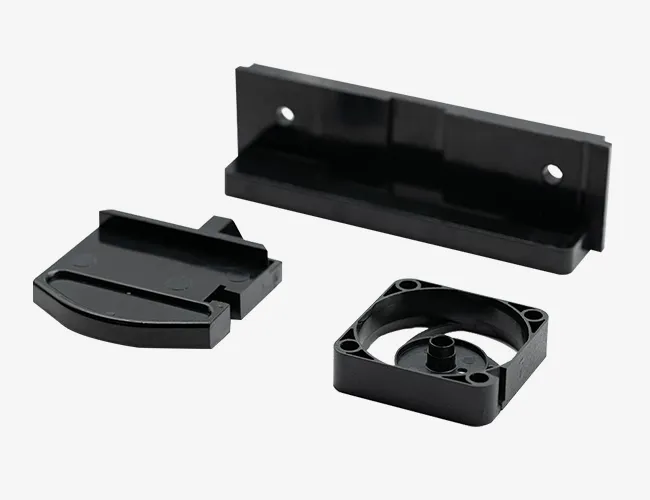
Zinc is a versatile metal known for its good corrosion resistance, durability, electrical conductivity, thermal conductivity, and castability. Common applications include hardware, locks, hinges, electrical connectors, switches, and a variety of die-cast components used in automotive and industrial products. It is often used for parts that require good dimensional stability and reliable performance in environments exposed to moisture.
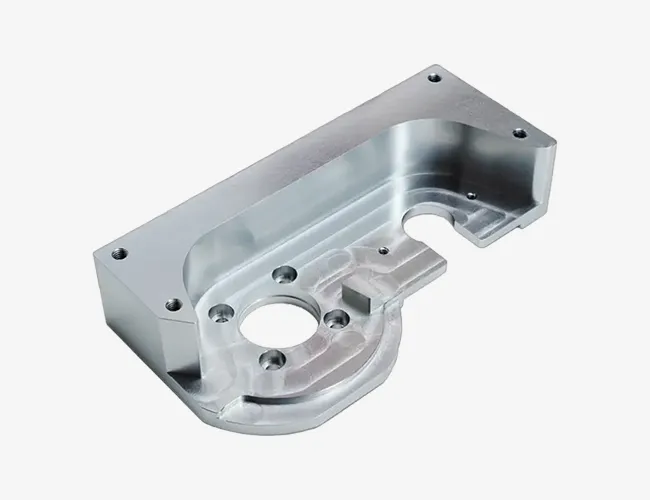
Every project is reviewed and produced according to the approved drawing and order requirements. Before shipment, parts go through final inspection to confirm that critical dimensions, features, and overall quality meet specification. We do not knowingly ship parts that do not meet drawing requirements.
According to customer requirements, JIZAO can provide inspection reports before shipment to support verification and traceability. Depending on the project, this may include dimensional inspection records, measurement data, or other agreed quality documents prepared before delivery.
To reduce the risk of damage during transport, parts are packed using customized inserts matched to part geometry and protection needs, together with durable 5-layer corrugated cartons. This packaging approach helps keep parts secure during handling, storage, and international shipment.
At JIZAO, quality is controlled from engineering review to final shipment. Parts are inspected against drawing requirements before delivery, and inspection reports can be provided upon request. For safer transit, we use customized inserts and 5-layer corrugated cartons.
Not in the platform sense. At JIZAO, every RFQ is reviewed by real engineers rather than an automatic quoting system. We typically respond within 12 hours, and for standard projects, we can usually provide a feasibility review, optimization suggestions, and quotation within 24 hours after receiving sufficient project information.
Before production, we check the key manufacturing risks in your design and communicate any concerns clearly. After order confirmation, we continue to update you on project progress throughout production. All parts are inspected against the drawing before shipment, and we do not send parts that do not meet dimensional requirements to our customers.
To review your project properly, we recommend sending 3D files or 2D drawings, along with the material, quantity, tolerance requirements, surface finish requirements, and delivery address. The more complete the information, the more accurate our engineering assessment and quotation will be.
Lead time depends on part complexity, quantity, material, and process requirements. Prototype parts are typically shipped within 2–5 days, and for suitable projects, selected parts can be delivered in as fast as 1 day. Low-volume production usually takes around 15–25 days.
For suitable CNC machining projects, tolerances can be controlled as tight as ±0.025 mm (±0.001″). The actual achievable tolerance depends on the material, part size, geometry, feature type, and inspection requirements shown on the drawing.
We support a wide range of metal and plastic materials for CNC machining. We also offer multiple finishing options, including anodizing, powder coating, painting, electroplating, brushing, sandblasting, and polishing. If you have a specific material, finish, color, or appearance requirement, please include it in your RFQ so our engineers can confirm the most suitable solution.
Yes. JIZAO supports rapid prototyping, low-volume production, and batch manufacturing. We help customers choose a practical machining route based on the project stage, quantity, quality requirements, and delivery target.
Yes. These are the types of projects we are especially familiar with. We have strong experience in multi-axis machining, thin-wall parts, difficult-to-machine materials, and complex precision components, especially for aerospace, medical, robotics, and UAV applications.
No strict MOQ is required. We can support single prototype parts, small batches, and repeat production orders. The right manufacturing approach depends on the part design and quantity.
Parts are inspected against the approved drawing requirements before shipment. Our team reviews dimensional and quality requirements throughout the process, and we do not knowingly send nonconforming parts to customers. For projects with specific inspection needs, we can align the inspection method with the order requirements in advance.
Yes. For standard projects, we can provide DFM / manufacturability feedback during the quotation stage. If required, we can also provide documents such as dimensional inspection records, CMM reports, FAI documents, material certificates, RoHS/REACH reports, and third-party inspection documents, depending on the project requirements.