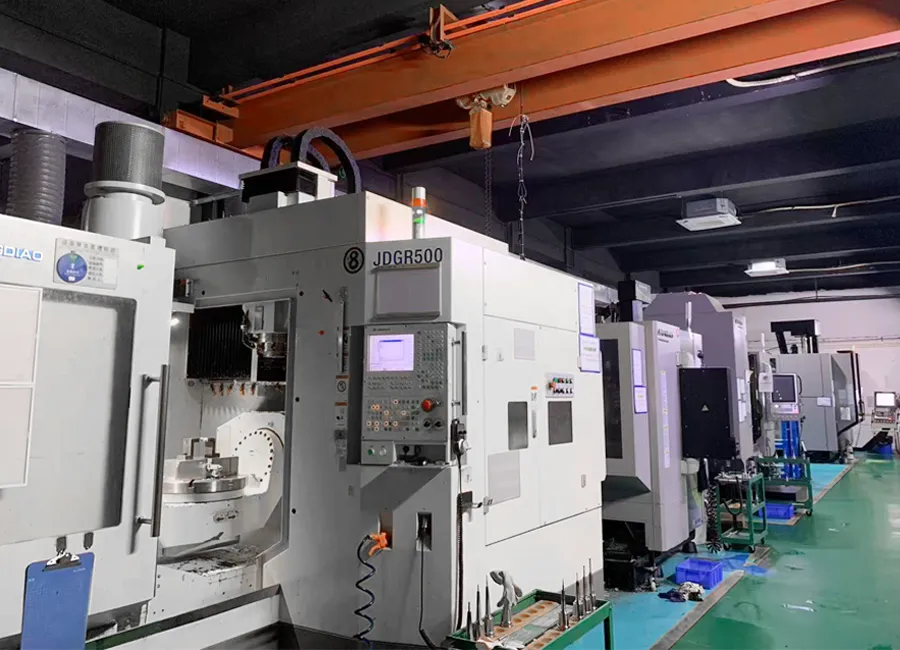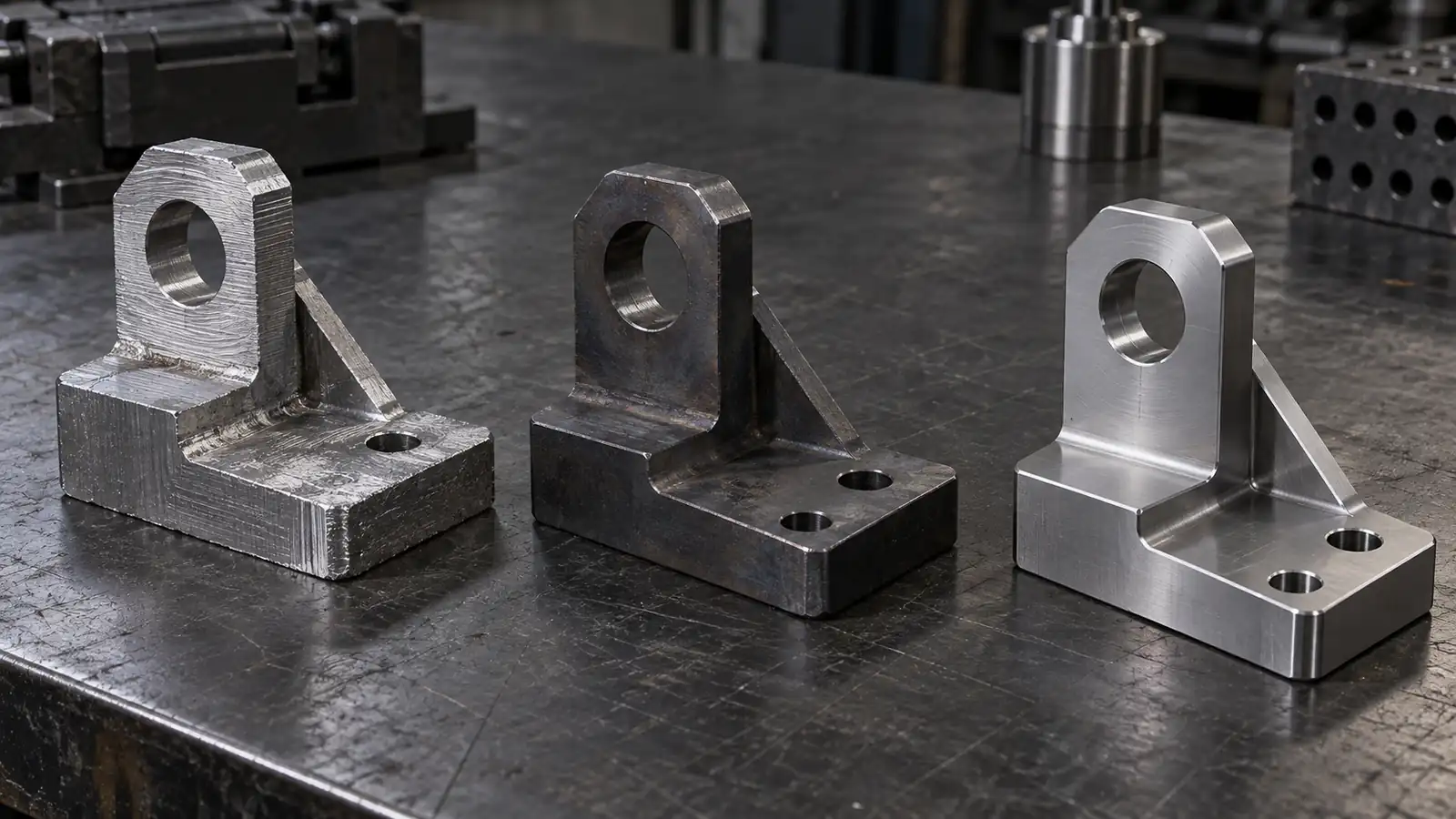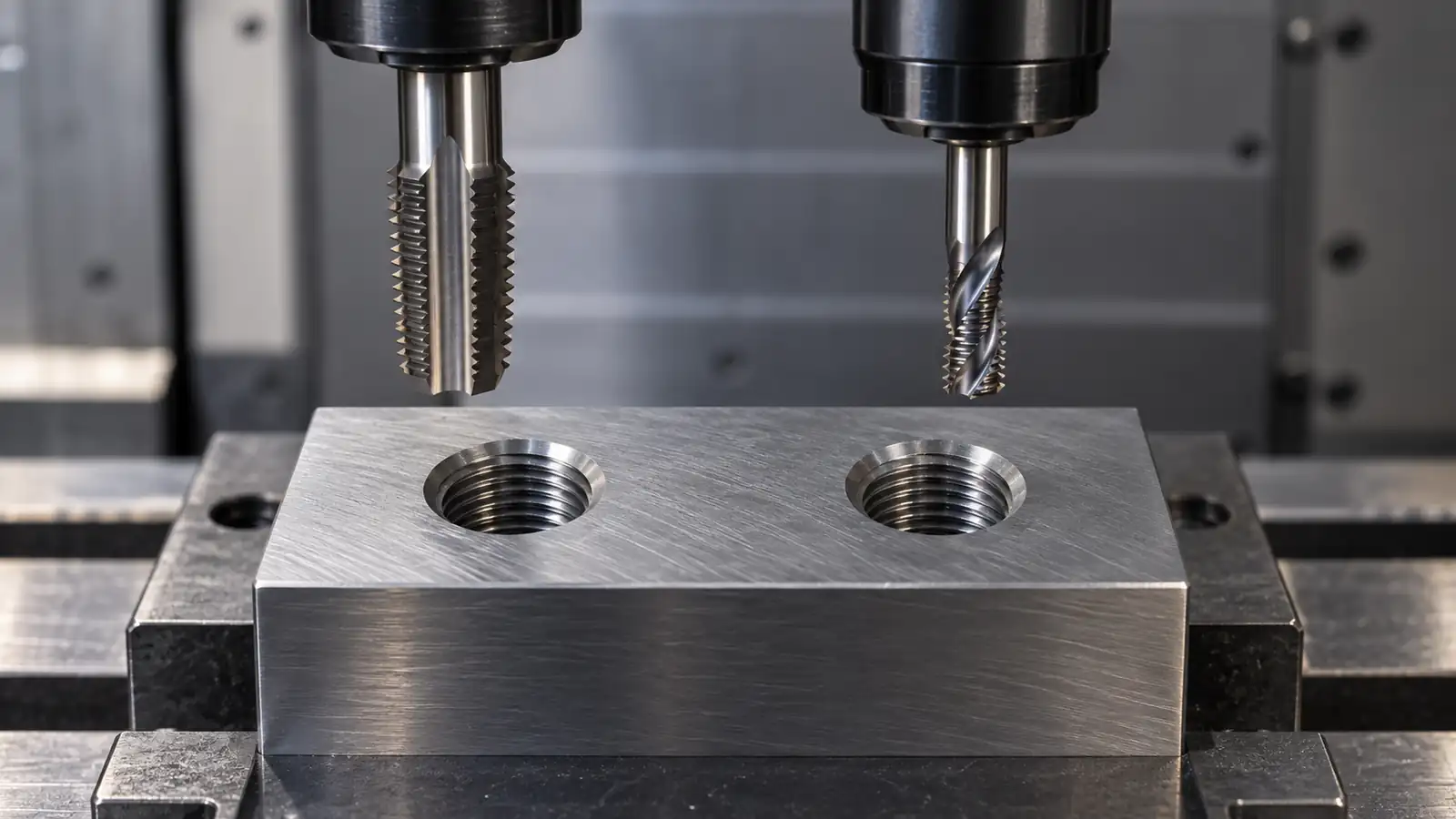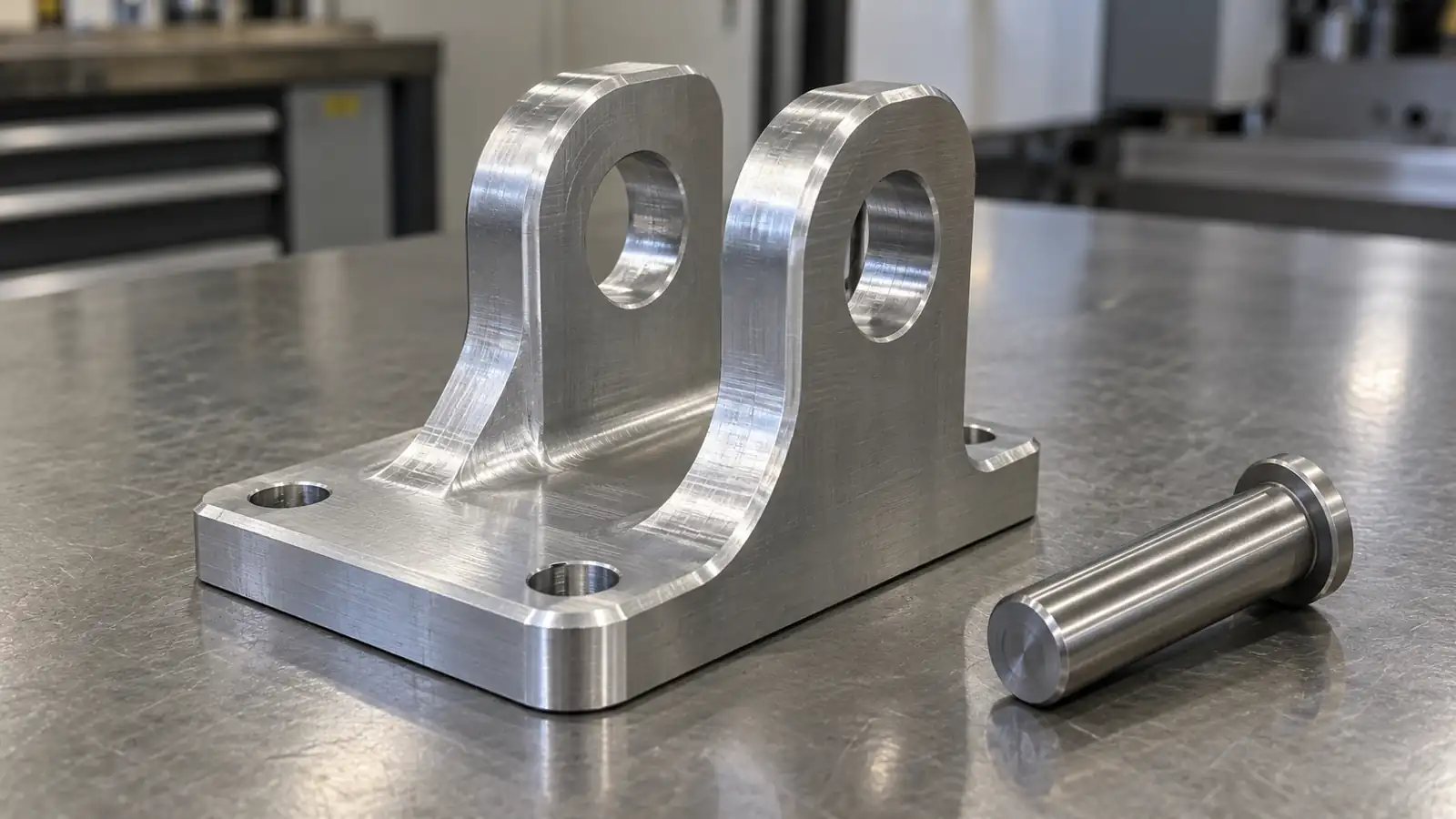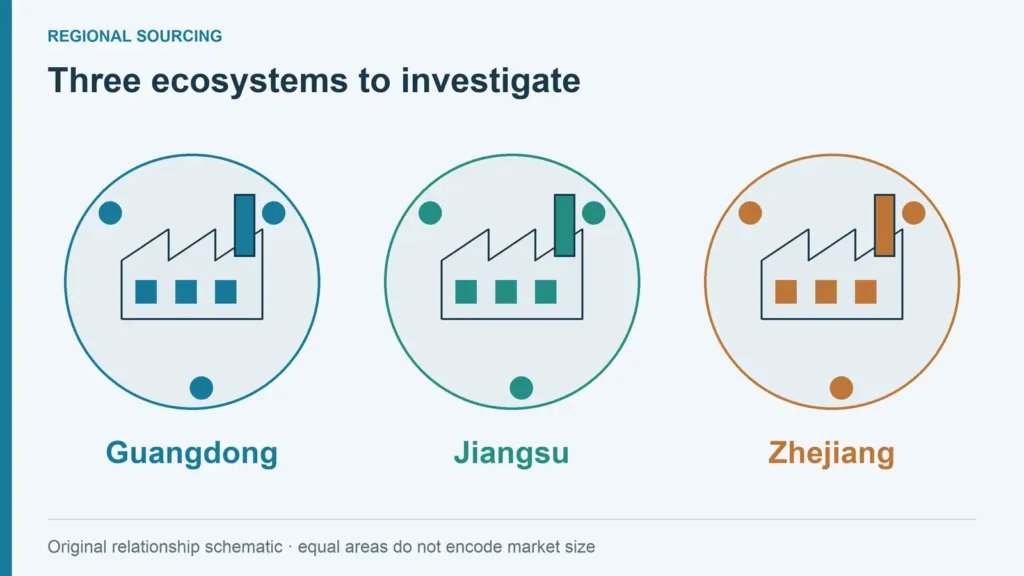
Guangdong is a sensible starting point for a CNC sourcing search, particularly around the Pearl River Delta, but the evidence reviewed for this guide does not establish it as China’s largest province by number of independent CNC machining service businesses. Jiangsu and Zhejiang also have documented machinery and manufacturing ecosystems. For an overseas buyer, the useful question is not simply “which province is first?” It is which cluster contains suppliers that can make, inspect and repeatedly deliver the specific part.
Research cutoff: September 16, 2026. This is a sourcing guide, not a provincial league table. Policy announcements and industrial statistics below have their own dates; they are not full-year 2026 results.
First define what you are counting
A company that builds CNC machine tools is not the same as a company that uses those machines to sell machining services. A factory making its own products may have a substantial machine shop without accepting external orders. A trading company may market CNC parts without operating a workshop at all.
China’s official industrial classification distinguishes activities such as metal-cutting machine-tool manufacturing. The National Bureau of Statistics’ economic census reports industrial businesses by defined categories; it is not a ready-made directory of export-capable CNC job shops. Neither machine production nor the total number of industrial companies answers the narrower sourcing question. NBS industrial classification; fifth economic census, secondary industry.
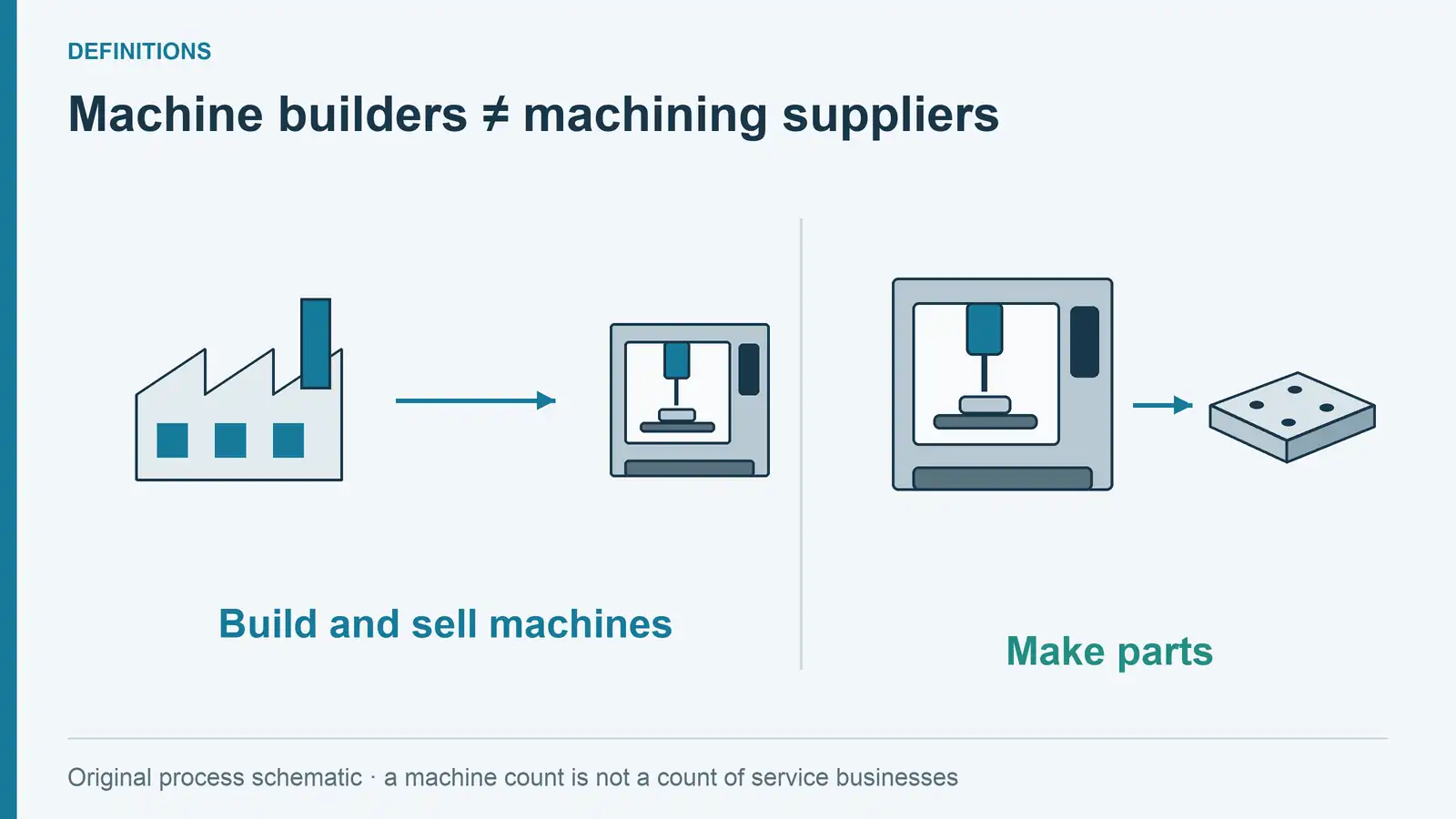
A defensible provincial ranking would need one consistent definition, one observation period and a way to remove duplicate listings. It would also have to distinguish active workshops from registered entities and captive production from contract machining. This review did not find that comparable nationwide dataset. Search-result counts and supplier-directory entries are not an adequate substitute.
Three clusters worth investigating—not three ranked positions
| Region | Documented evidence | What a machining buyer still needs to establish |
|---|---|---|
| Guangdong / Pearl River Delta | Dongguan’s Wanjiang CNC equipment cluster appears in the 2024 national SME cluster announcement; a Dongguan machine-tool and mold innovation consortium was formed in 2025 | Which shortlisted businesses actually machine external orders, where work is done and who controls inspection |
| Jiangsu | The provincial industry department reported a machine-tool industry alliance and supplier–user collaborations in June 2026 | Whether a particular supplier’s equipment, process experience and available capacity suit the drawing |
| Zhejiang | Government-hosted reporting documents Wenling’s machine-tool ecosystem and links among machines, components, cutting tools and applications | Whether the candidate sells machine tools, components, machining services, or a combination |
Guangdong: investigate the supply network behind the quotation
The Guangdong industry department’s 2024 announcement identifies the Wanjiang CNC equipment cluster in Dongguan. Separately, Dongguan’s science and technology bureau reported the formation of a machine-tool and mold innovation consortium on March 12, 2025. These are concrete signs of industrial concentration and collaboration, not a count of CNC service exporters. Guangdong cluster announcement; Dongguan consortium.
For a precision-part buyer, this makes the region worth investigating when machining must connect with tooling, finishing or assembly. That is an editorial sourcing inference, not a promise that every process is nearby or in-house. Ask the bidder to identify outsourced operations and explain who approves them. A compact regional network is useful only if responsibility remains clear across its handoffs.
Jiangsu: follow specific supplier–user connections
Jiangsu’s industry department reported the establishment of a provincial machine-tool industry alliance in Suzhou on June 18, 2026. Its account names collaborations involving equipment builders, universities, component businesses and industrial users. This supports the existence of an active equipment ecosystem; it does not establish a provincial machining-service market share. Jiangsu industry department.
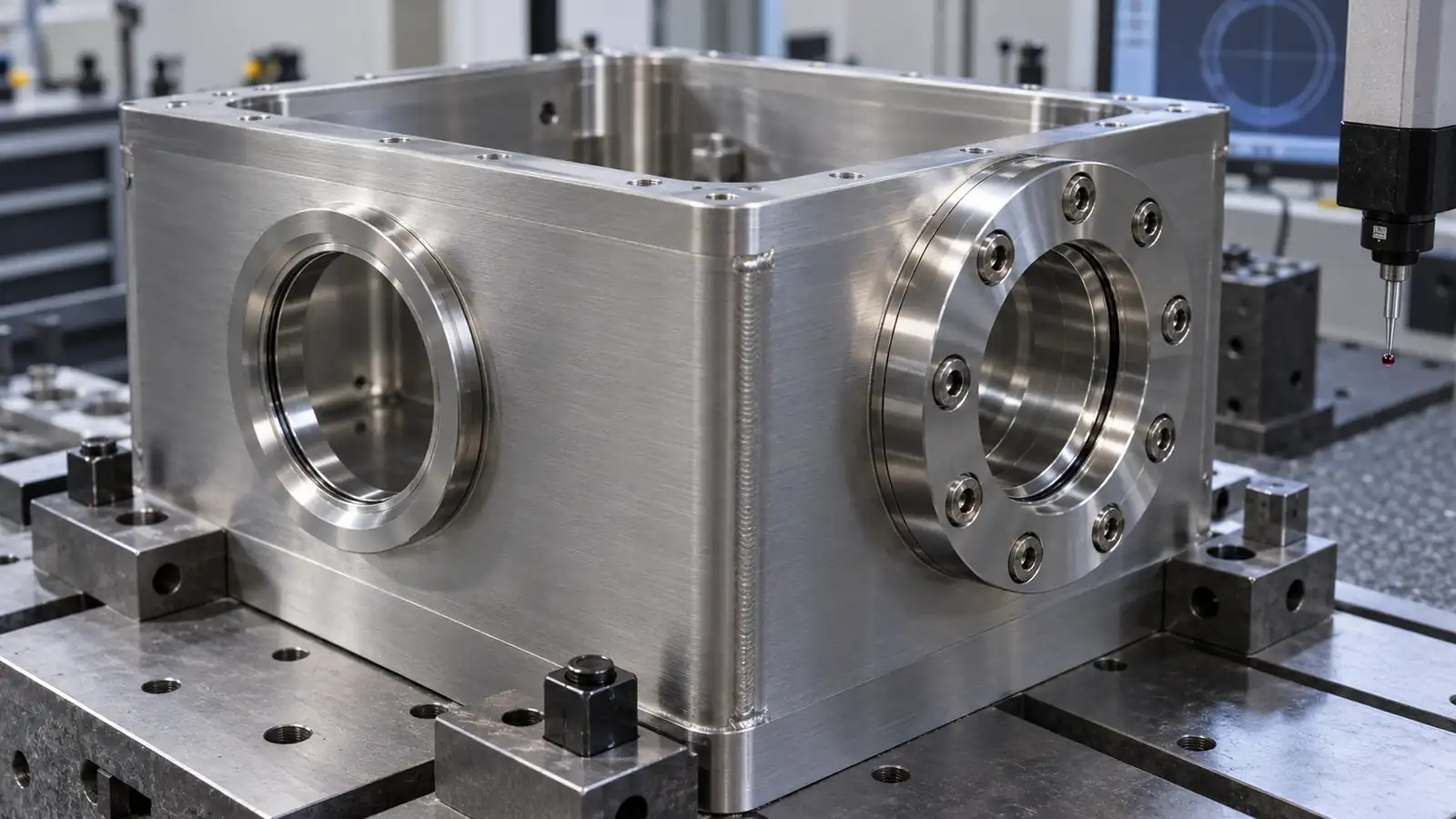
Use such evidence to discover relevant businesses, then qualify them individually. For a multi-face housing, request the planned setup sequence, access to angled features and inspection of the relationships between faces. An impressive regional equipment base does not demonstrate that the quoted supplier has the right process for that housing.
Zhejiang: do not confuse machine-building strength with job-shop availability
The Zhejiang Economic Information Center’s June 2026 account describes Wenling’s development from mechanical components into a machine-tool ecosystem, including machines, key components, tools and application verification. Its 2023 cluster explanation also distinguishes core and collaborative areas with different specialisms. These sources help explain regional structure, rather than proving that Zhejiang leads or trails Guangdong in subcontract machining. Wenling ecosystem, June 2026; cluster structure, June 2023.
A buyer should therefore search by the required service and part family, not just by “CNC.” A machine manufacturer, a tooling specialist and a contract machining business solve different procurement problems, even when they appear in the same industrial cluster.
Turn a regional search into a part-specific qualification
Consider a hypothetical automation bracket with mounting holes on two inclined faces. The procurement challenge is maintaining their relationship after machining and any finishing, not proving that the supplier comes from a famous province. Ask each candidate to explain the same drawing, rather than comparing unrelated sample photographs.
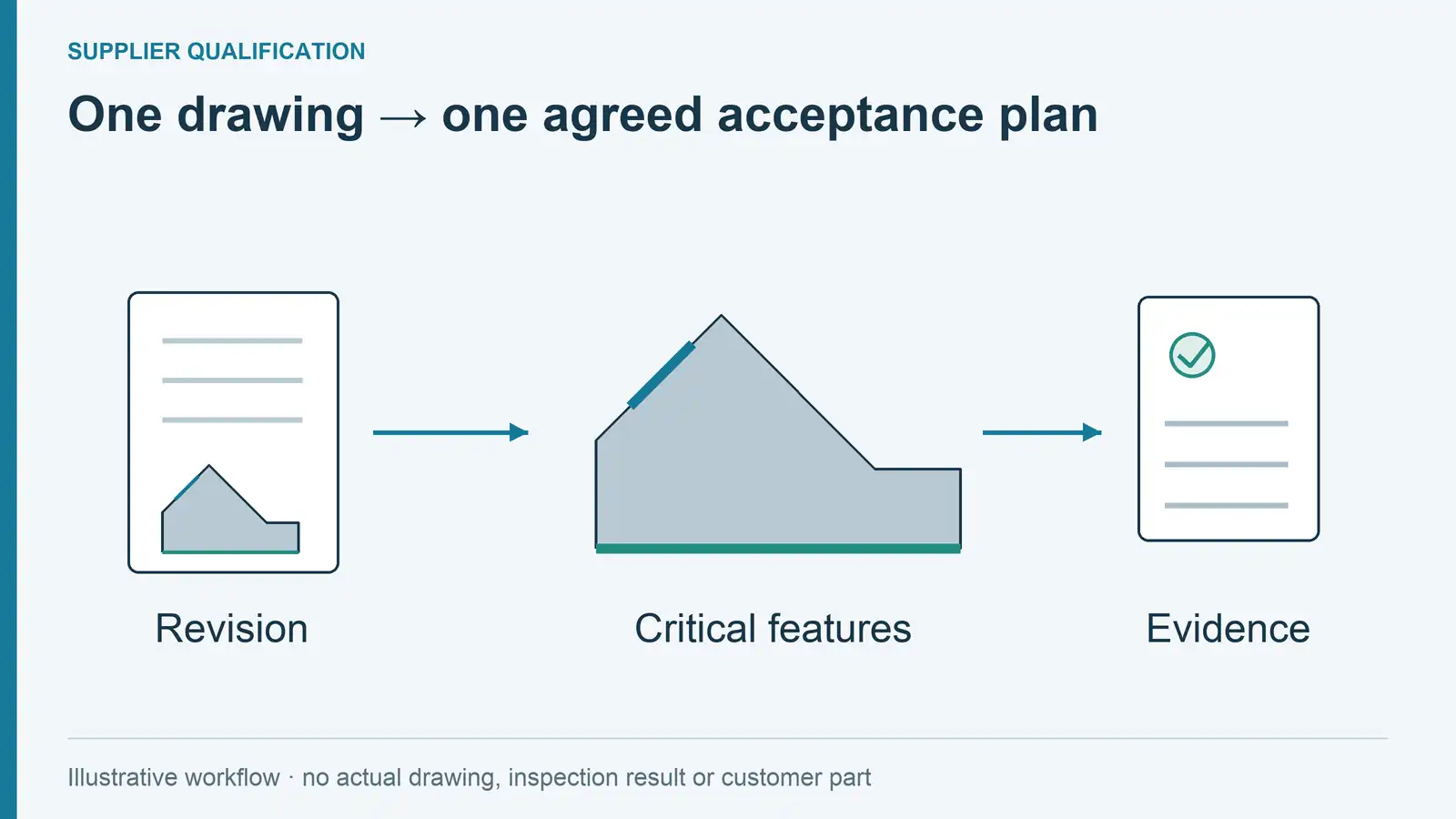
Start with a short qualification packet: a controlled CAD model and drawing revision, material and condition, annual and initial quantities, critical characteristics, finishing scope and required inspection records. Ask which features need additional orientation, which surfaces are used to locate the part, and whether inspection occurs before or after processes that can affect acceptance.
Keep three questions separate: can the machine reach the features, can the proposed process repeatedly meet their requirements, and can the inspection plan verify them? Request a process explanation and a characteristic-specific inspection plan alongside the equipment list. For repeat orders, ask what remains controlled if the fixture, production site or finishing partner changes.
Then compare the actual manufacturing address, contractual responsibility, subcontracted stages, drawing-change control and repeat-order arrangements. None of these questions can be settled by a province-level ranking. A supplier outside the best-known clusters may be a better fit if it provides stronger evidence for your part.
The practical answer
Use Guangdong, Jiangsu and Zhejiang as research starting points, not quality grades. Guangdong’s Pearl River Delta deserves serious consideration, but “largest CNC cluster” remains an unproven claim unless the metric and comparable dataset are supplied. The strongest shortlist is the one that connects your drawing to a credible process and an agreed acceptance plan.
For parts with angled or multi-face features, review five-axis machining considerations and GD&T/CMM inspection planning. When you are ready to discuss a specific geometry, send the drawing and inspection requirements for review.