EFORT, ESTUN, JAKA, SIASUN and STEP form a useful five-company shortlist for buyers evaluating Chinese industrial robot manufacturers in 2026. The names are presented alphabetically, not by market share, revenue or technical superiority. This is an editorial selection based on accessible official product information and relevance to factory automation—not an official “Top 5” ranking.
The scope is industrial robot arms and related factory-automation offerings from Chinese manufacturers. Collaborative arms used in industrial applications are included; humanoid and consumer-service products are not used to justify inclusion. Research cutoff: September 16, 2026. The comparison uses service and product information available at that date, not invented full-year 2026 shipment figures.
What qualifies a company for this shortlist?
Each included company has an official industrial robot or collaborative-arm offering and publishes enough information to begin a technical inquiry. The selection deliberately includes different portfolio emphases rather than pretending that all robots solve the same problem. There is no weighted score: the evidence does not support one comparable numerical ranking across these businesses.
| Manufacturer | Officially documented offering relevant here | What to investigate for your cell |
|---|---|---|
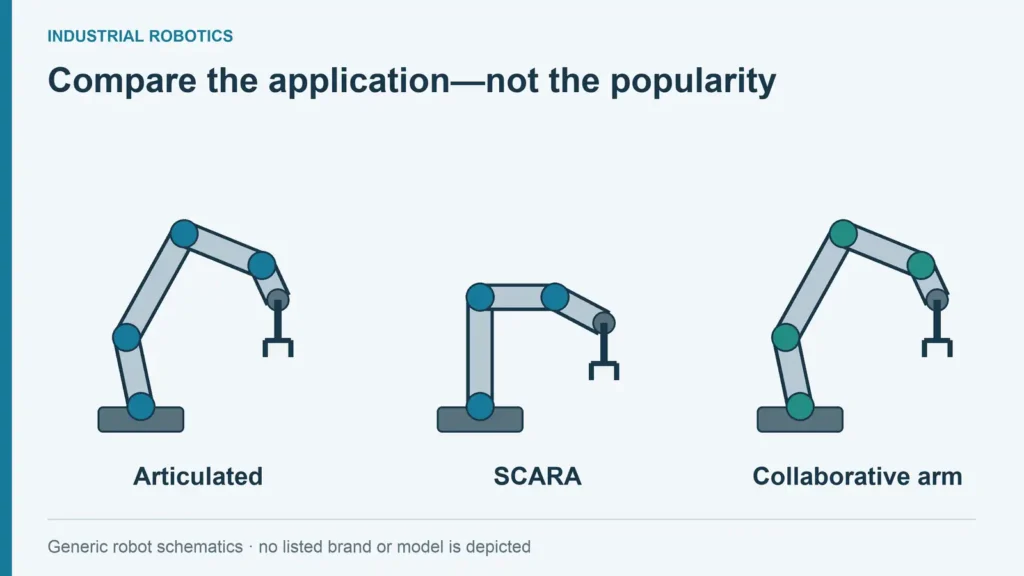
| EFORT | Industrial robot families, including articulated and SCARA categories | Model selection, process package and local integration support |
| ESTUN | Industrial robot ranges alongside motion-control products | Robot/controller combination and process integration |
| JAKA | Collaborative robot arms with manufacturing applications | Application limits, tooling and cell-level risk assessment |
| SIASUN | Industrial robots within a wider automation portfolio | Exact industrial-arm model and integration scope |
| STEP | Multi-joint and SCARA robots with motion-control technology | Brand/model, controller and support responsibilities |
EFORT: start with the model-selection task
EFORT’s official product selector organizes robots by characteristics including wrist payload, reach and number of axes, with separate application and product families. This is a useful starting point for narrowing a handling or process task. It is not a complete cell-design calculation. EFORT product selector.
The buyer should first describe the workpiece, tool, access envelope and process. Then ask which model and process package suit that combination. A robot with sufficient nominal payload can still be unsuitable because of tool inertia, reach, wrist loading or an inaccessible pose. The correct answer requires the manufacturer’s model-specific limits and a validated application plan.
ESTUN: evaluate the robot and control package together
ESTUN’s official site lists industrial robot ranges as well as motion-control, servo and digital products. Its published solutions span manufacturing applications, giving buyers a reason to examine both robot hardware and the surrounding control package. ESTUN official product and solution overview.
Ask who will integrate the robot with the machine, gripper and safety system, and how support is divided between manufacturer and integrator. Product breadth does not automatically mean that every item in a proposed cell comes from the same entity or that the delivered system is ready for a particular local operating environment.
JAKA: keep the comparison focused on industrial collaborative arms
JAKA’s official site presents a collaborative robot family and manufacturing applications including automotive, electronics and metal manufacturing. The company also discusses other product directions, but those are outside this article’s selection scope. Its inclusion here is based on industrial collaborative arms—not a humanoid popularity contest. JAKA official overview; company information.
For machine tending or assembly, review the complete tool-and-workpiece load and the human interaction required. A collaborative product label does not by itself establish that the final application is safe without safeguards. Sharp components, moving machinery and the end effector all belong in a competent cell-level risk assessment. Manufacturer introduction to collaborative-application risk assessment.
SIASUN: separate the industrial arm from the wider portfolio
SIASUN’s official English site distinguishes industrial, mobile and collaborative robot categories within a wider automation offering. This makes scope especially important: a procurement comparison should name the industrial-arm model and the integration work under consideration. SIASUN official product overview.
If a project combines an arm, material transport and assembly equipment, request a clear system boundary. Who controls the handoff between subsystems? Which party is responsible for cycle validation, commissioning and acceptance? A broad portfolio is a reason to ask these questions, not evidence that a particular combined solution has already been proven for your plant.
STEP: identify the brand, controller and service route
Shanghai STEP Electric’s official site describes industrial robots under the STEP and ADTECH brands, including multi-joint and SCARA products, alongside motion-control technologies. Buyers should therefore specify the exact brand and model rather than treating the group name as one interchangeable product. STEP official overview.
Review controller interfaces, tooling support, application software and who supplies local commissioning and spare parts. Where several companies participate in a quotation, establish a single documented acceptance process rather than assuming the robot manufacturer owns every aspect of the cell.
Nominal payload is only the beginning
An end effector adds mass and moves the load’s center of gravity away from the robot flange. A long tool can impose a different loading condition from a compact tool carrying the same workpiece. Use the selected model’s permitted loads, moments and inertias—not a generic payload number—to assess the proposed arrangement. As an example of this principle, Universal Robots’ manual explicitly includes the gripper and workpiece in payload assessment and relates permissible payload to center-of-gravity offset; its model-specific limits must not be transferred to other robots. Manufacturer payload guidance.
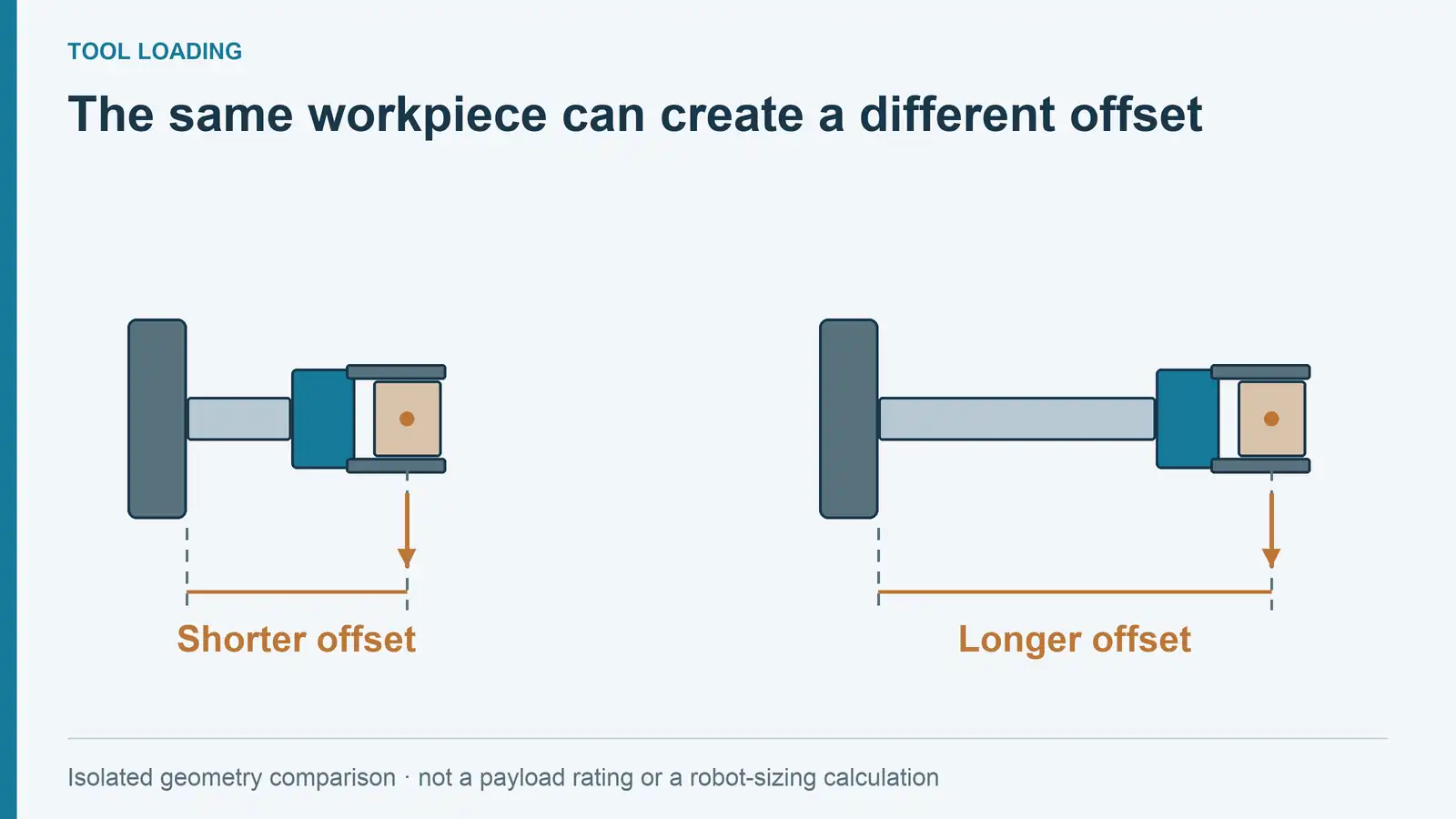
The diagram isolates the effect of offset; it is not a robot-sizing result. Cable routing, hoses, acceleration, required poses and process forces may also affect the application. Request a model-specific review and a representative trial where appropriate. Do not infer achieved cycle time or machining accuracy from a catalog photograph.
Where precision-machined components enter the project
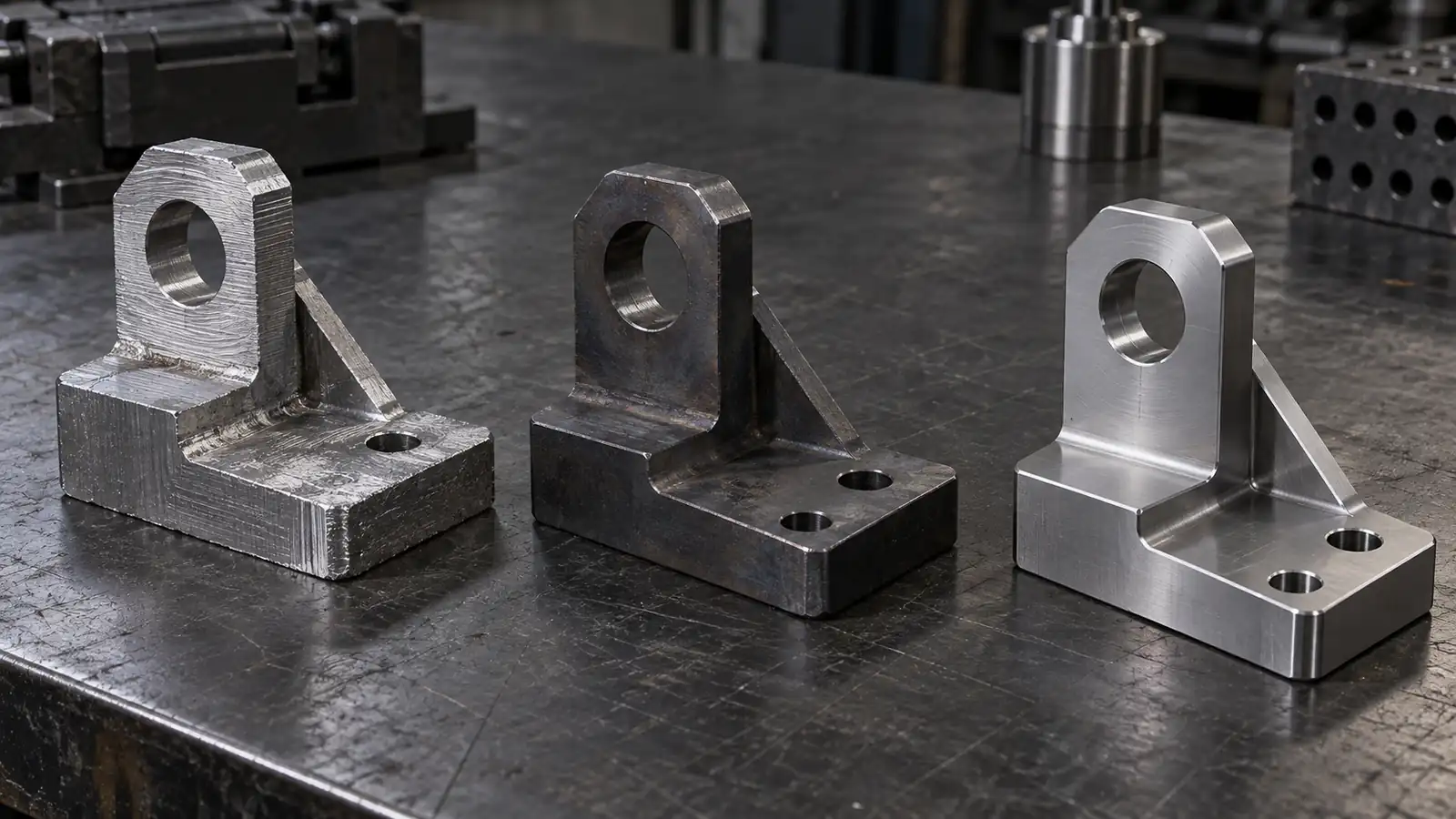
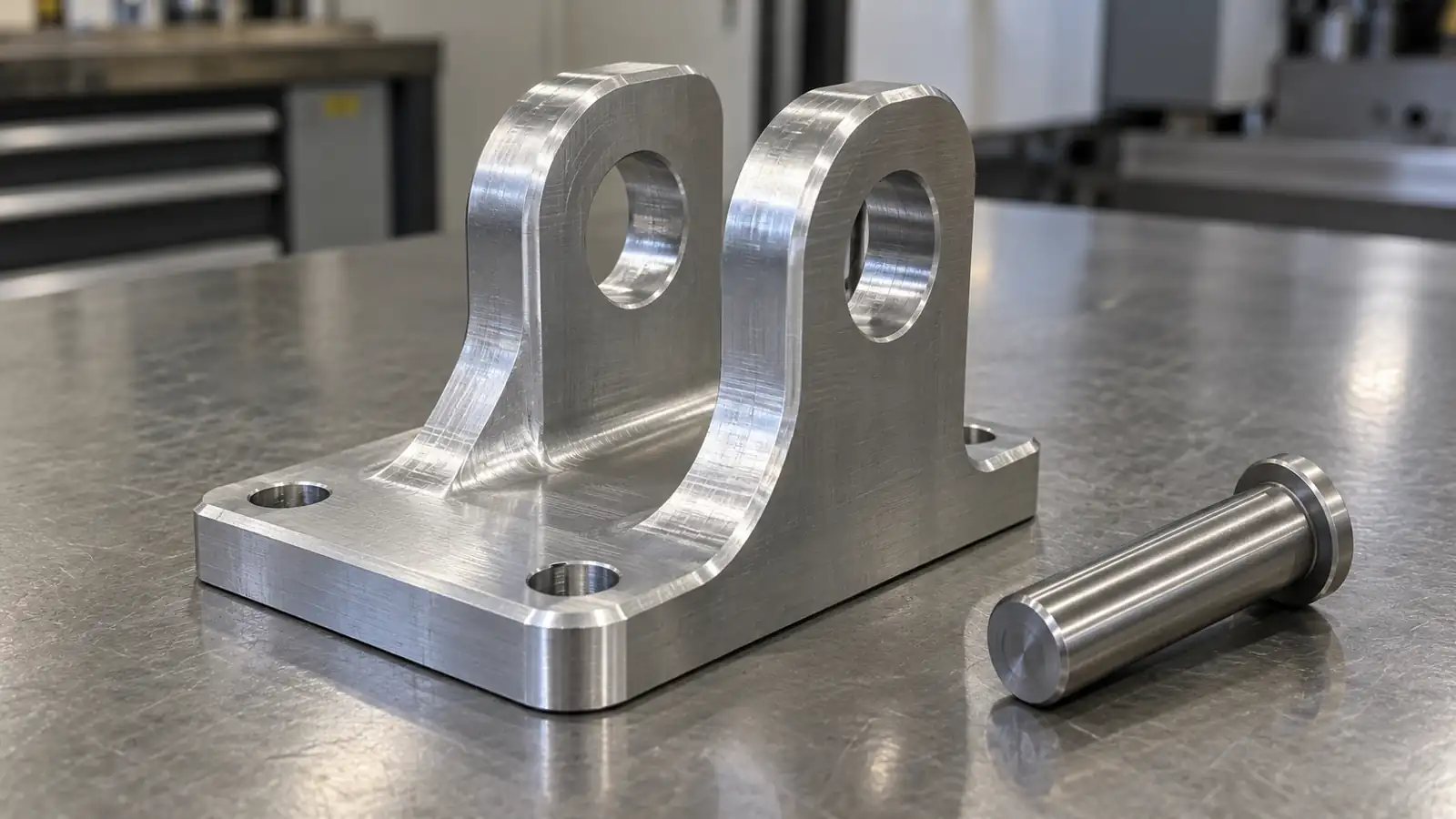
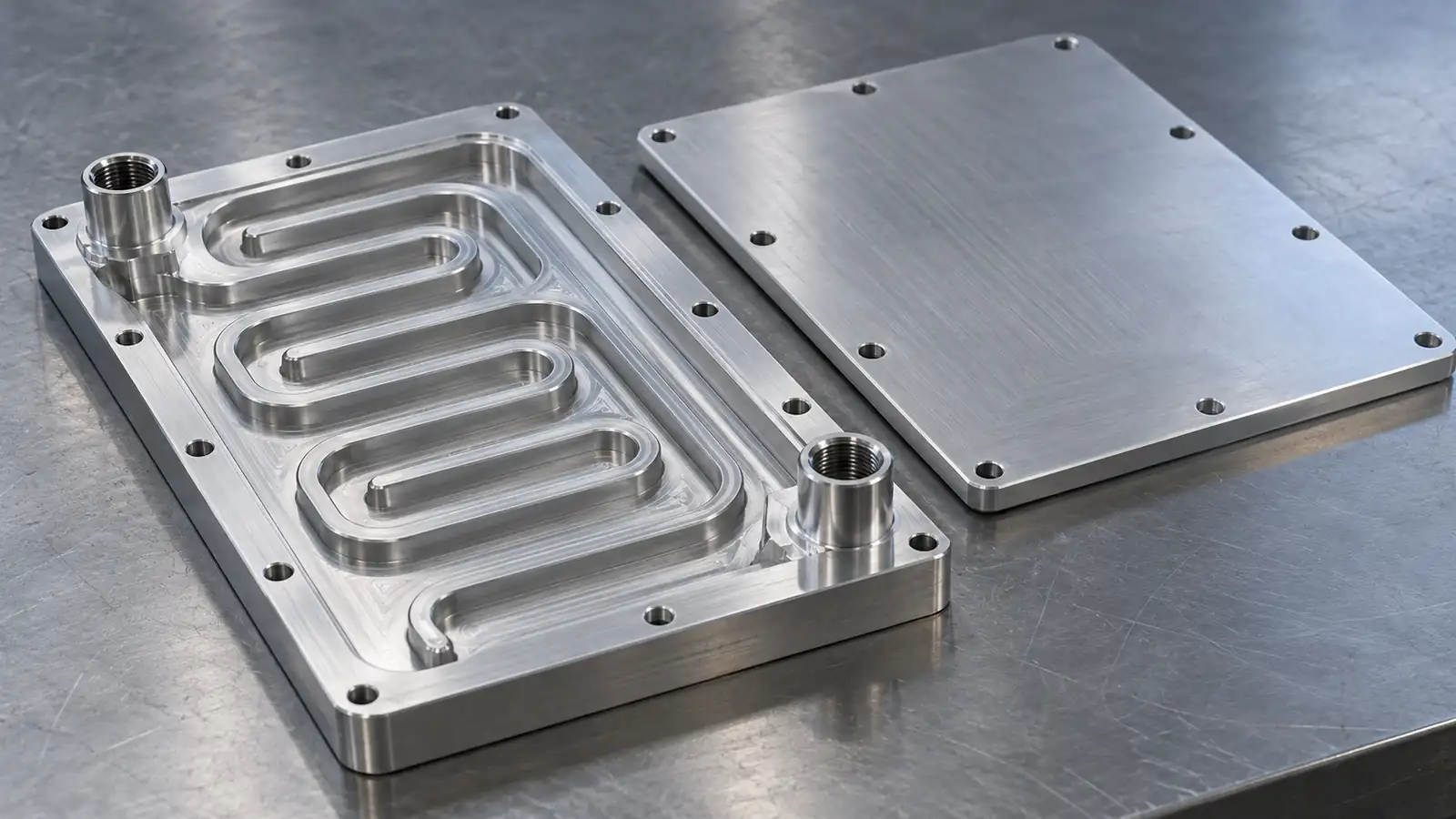
Robot procurement and robot-part procurement are connected but different decisions. Tool adapters, fixture brackets and mounting plates may need custom machining even when the robot itself is a standard product. Their geometry should come from the selected robot and tool documentation, not from an assumed universal interface.
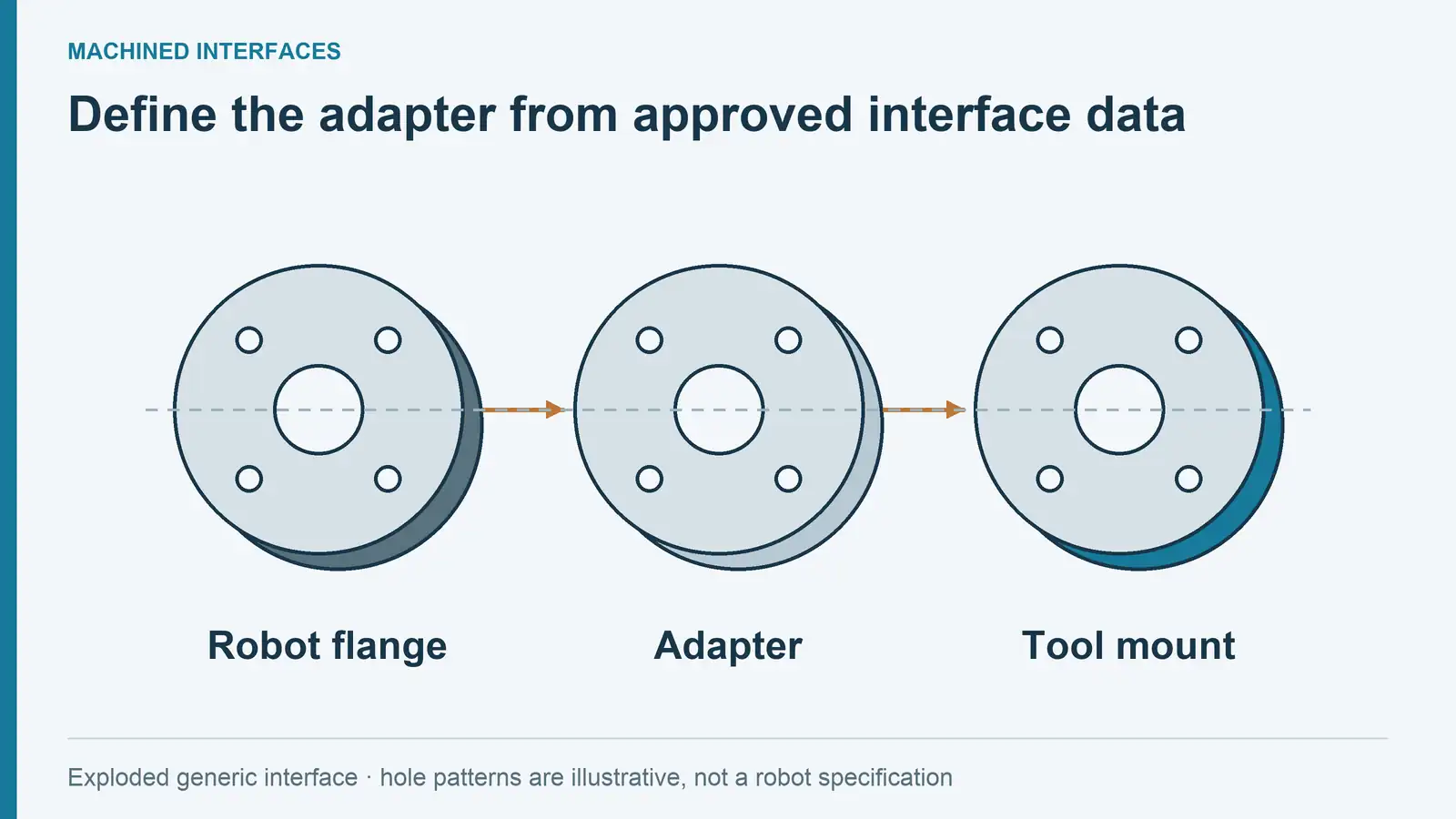
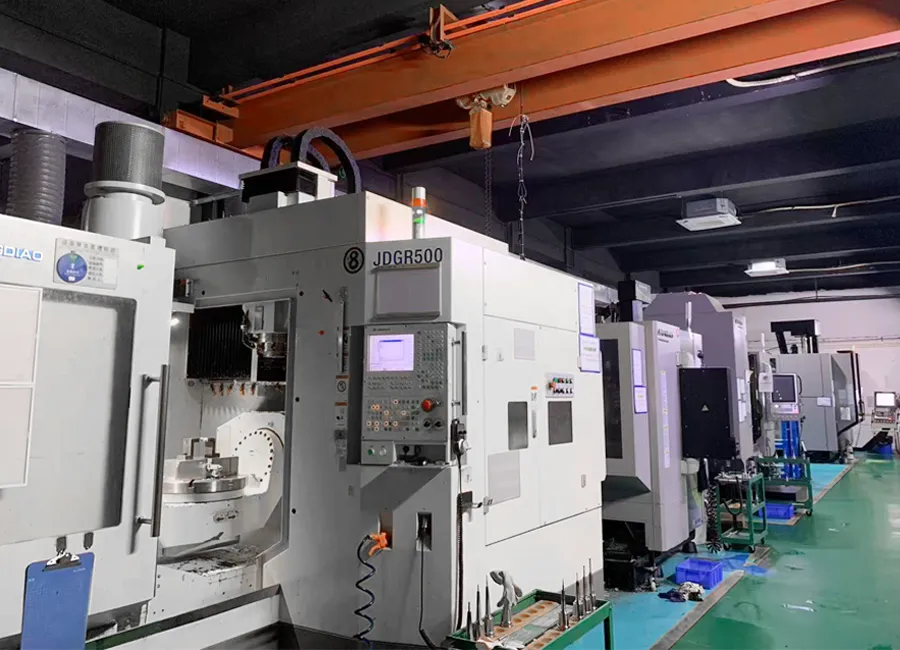
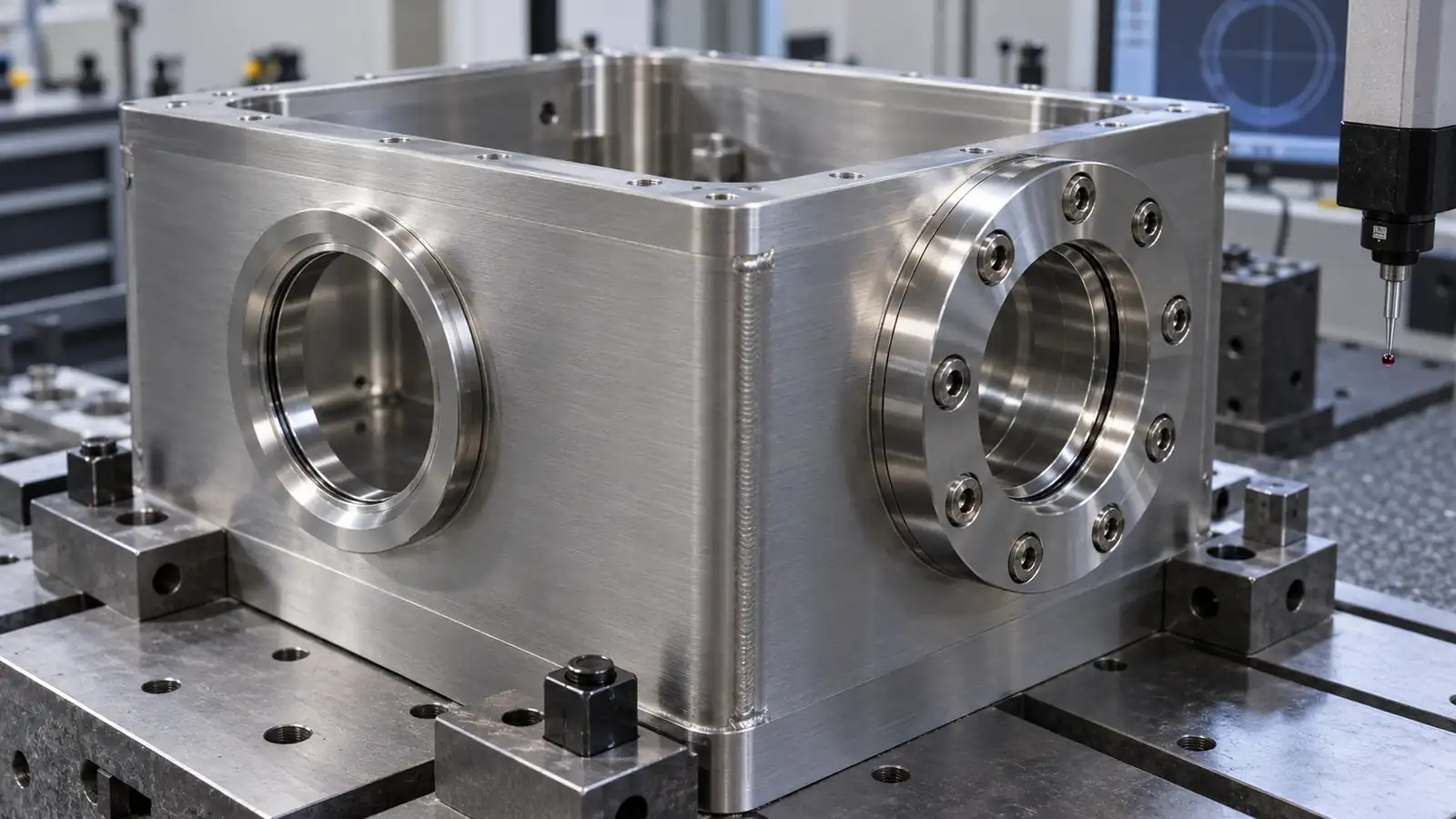
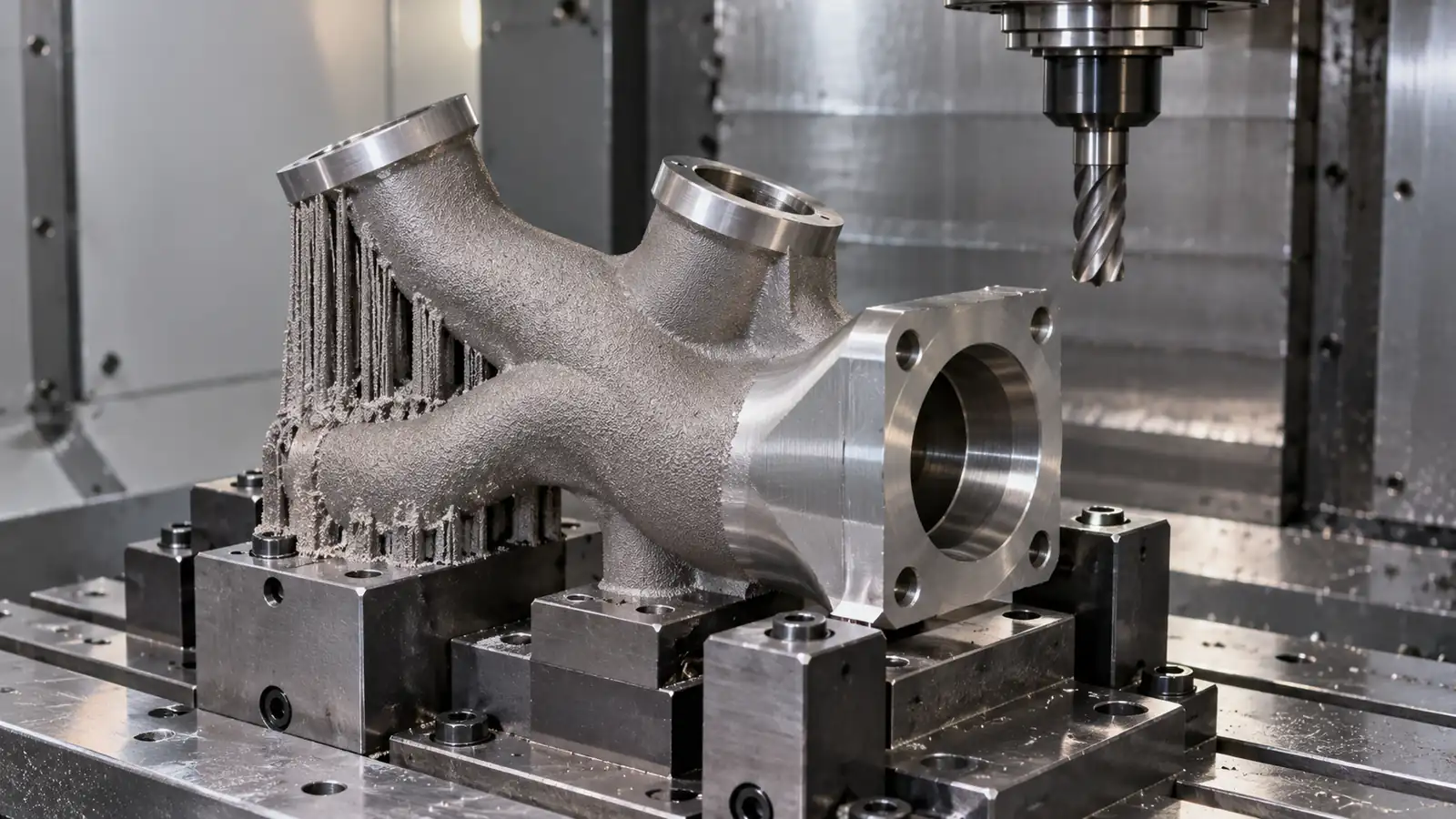
For the generic adapter shown, identify the mating faces, hole patterns, locating features and inspection requirements on the drawing. An angled tool mount or a multi-face bracket may benefit from five-axis machining, while a simple plate may not. Specify coating and assembly requirements early enough that the supplier can evaluate the final condition rather than only the as-machined dimensions.
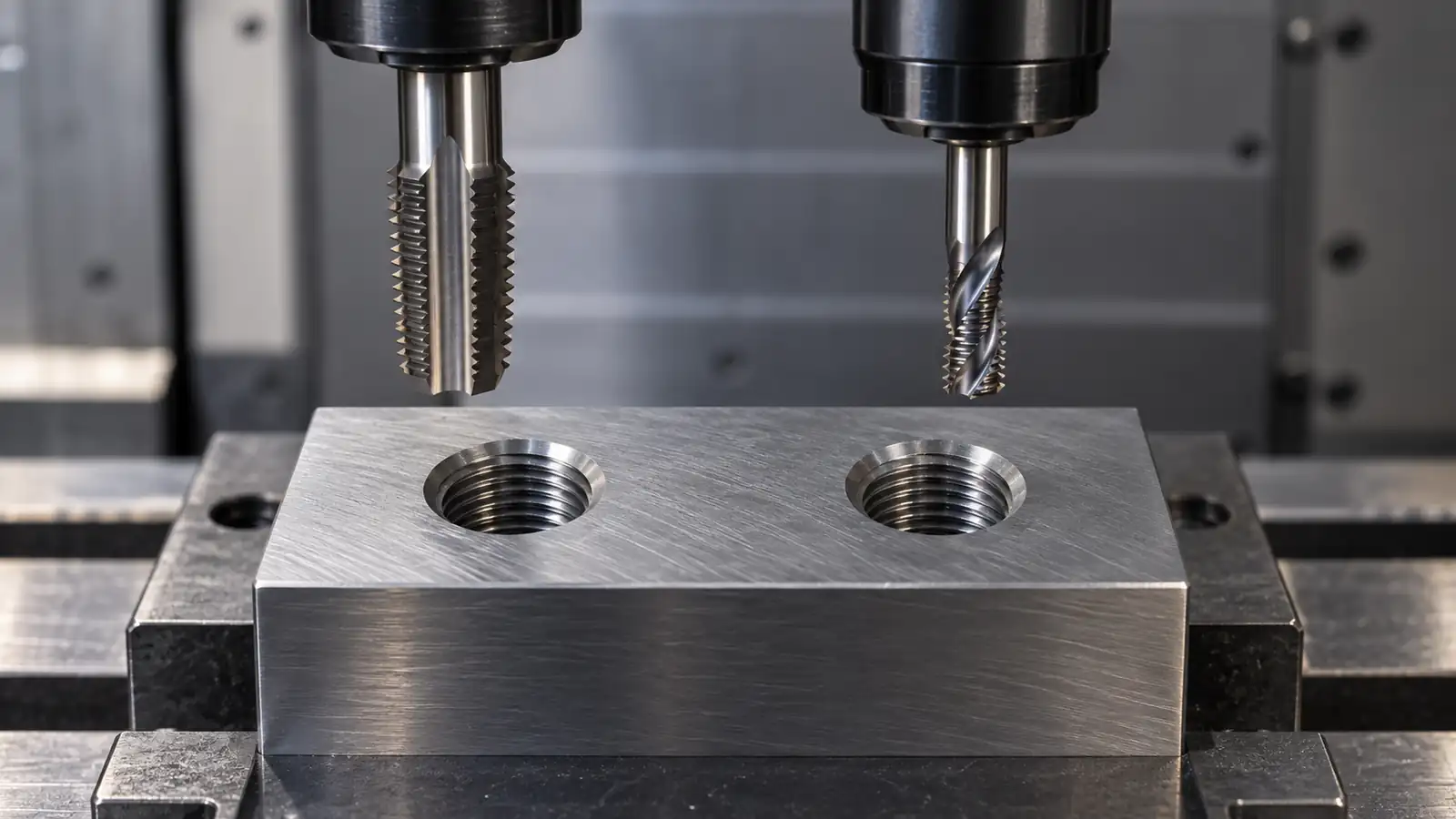
Link the verification to the interface’s function: identify which features locate the tool and which provide clearance or fastening. Ask how those relationships will be checked against the approved drawing after the specified finishing. The machining route and inspection equipment should be justified by these requirements; neither an axis count nor an instrument name proves that the assembled interface will meet them.
This is a general component-design example. It is not a drawing for any listed manufacturer’s robot, and it does not imply that JIZAO supplies those companies. Do not manufacture a safety-relevant interface from an illustration; use approved model-specific engineering documentation.
Build an application shortlist, then validate it
Compare the five manufacturers against the same workpiece, tooling concept, access constraints, operating environment and acceptance criteria. Ask for a demonstrable application plan and a clear service arrangement. The strongest candidate for one cell need not be the strongest for another, and a company outside this list may be a better fit.
For custom mounts or complex tooling components, review five-axis machining and GD&T/CMM inspection planning. Once the robot and interface requirements are defined, request a drawing review for the machined parts—not a substitute for robot or cell safety validation.