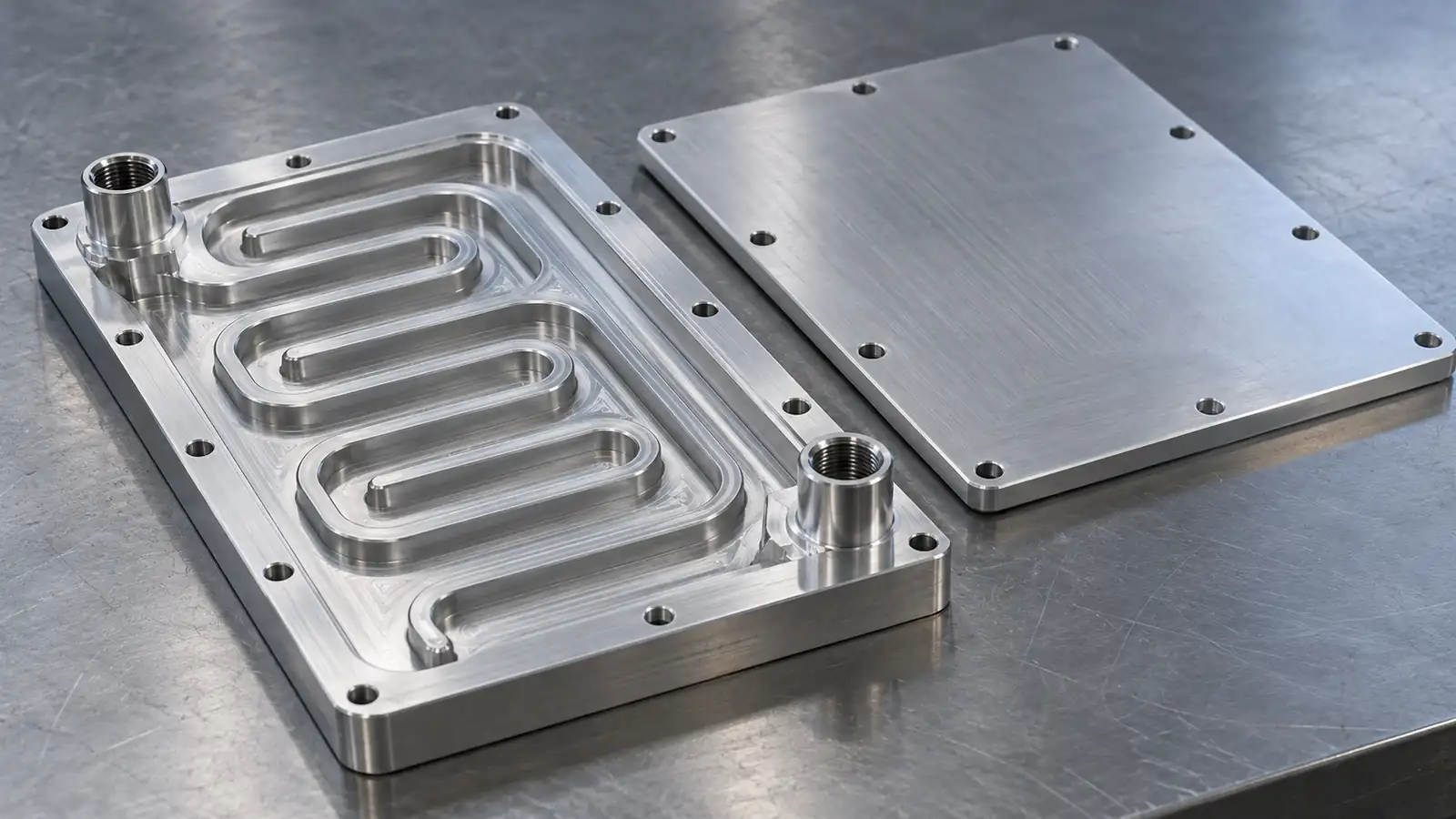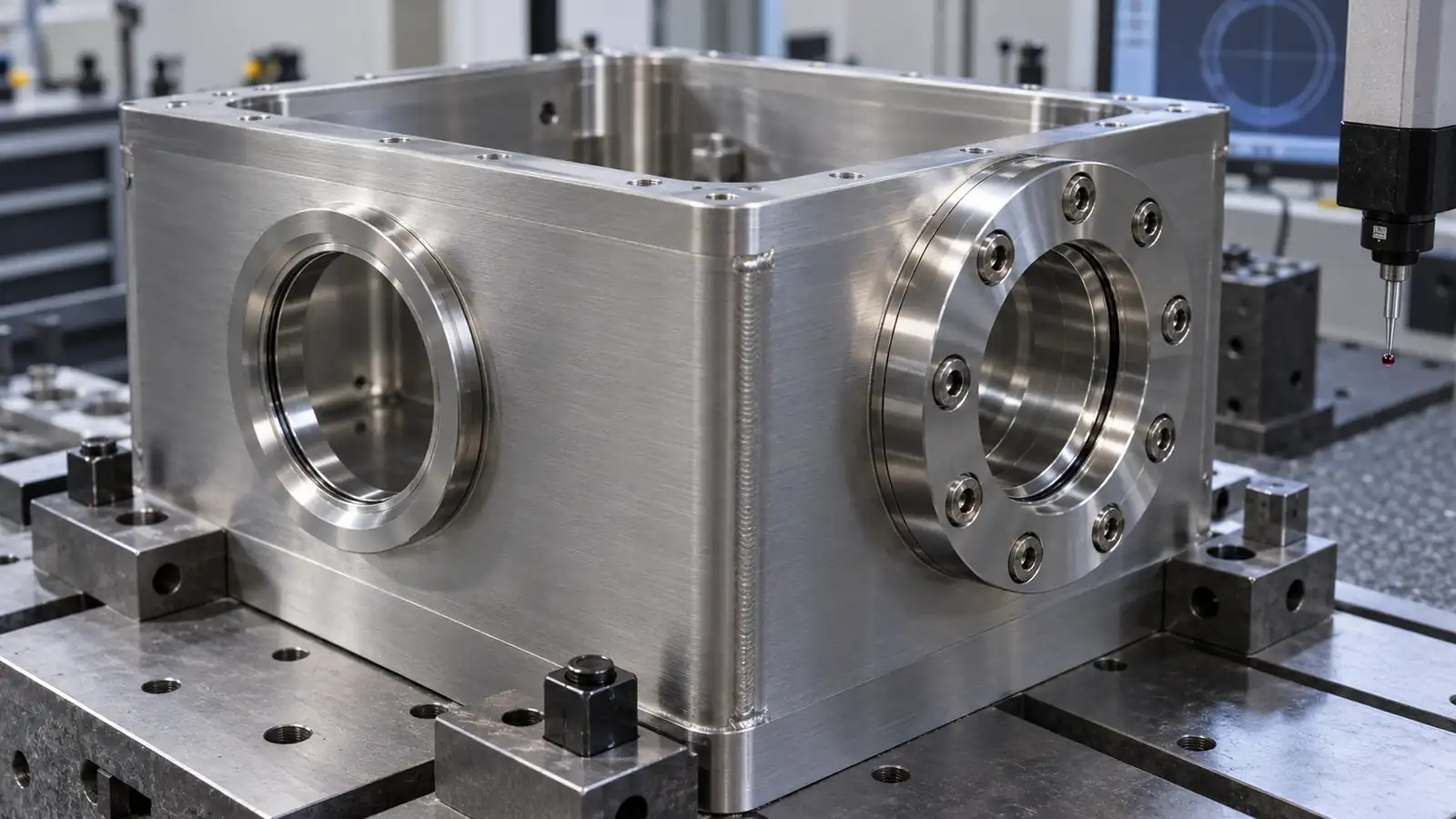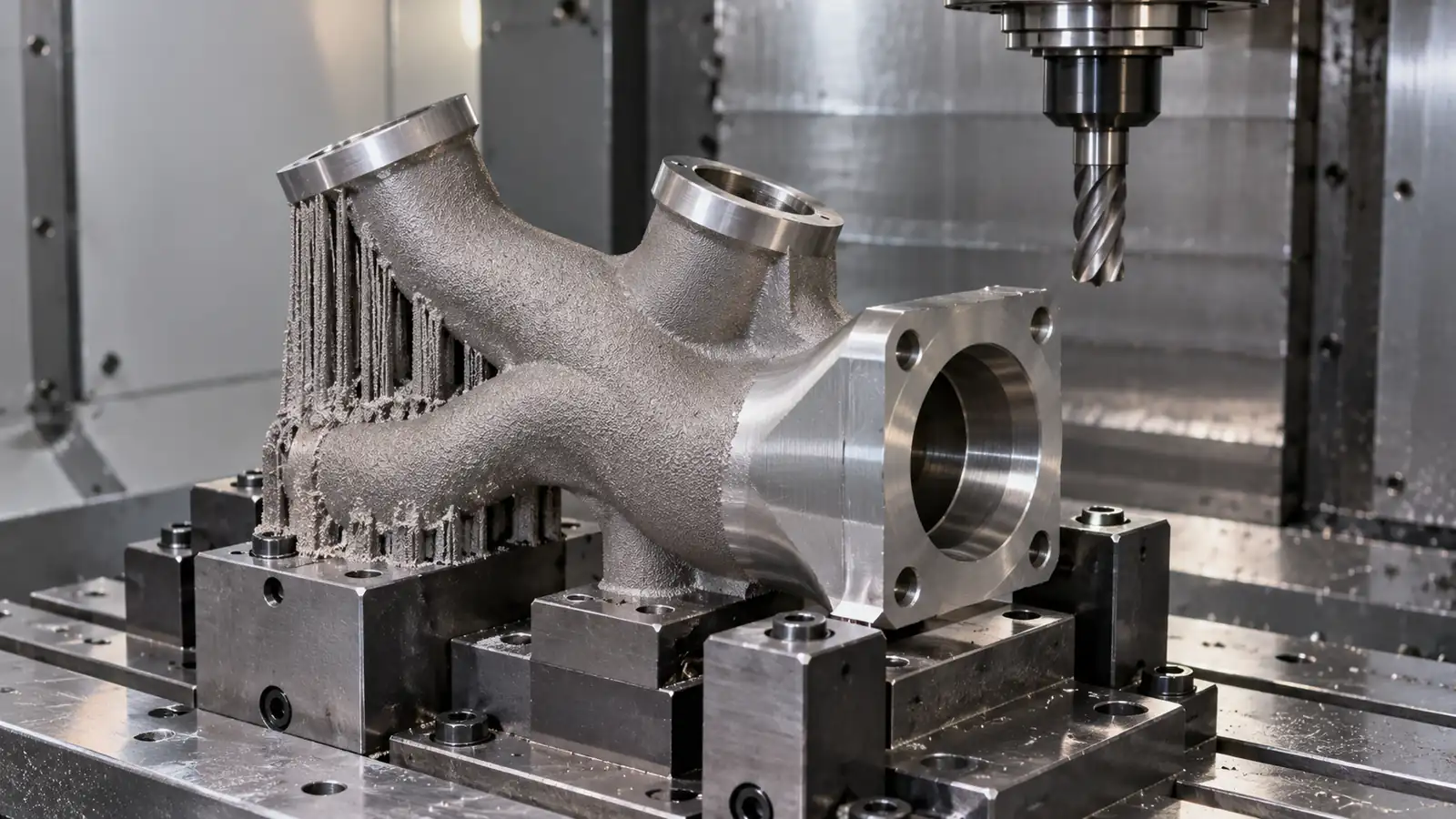
Understanding CNC meaning is the first step to choosing the right manufacturing process for custom metal and plastic parts. Whether you are designing a prototype, preparing a production drawing, or comparing manufacturing quotes, knowing how CNC machining works can help you avoid design mistakes, control costs, and improve part quality.
CNC machining is widely used for functional prototypes, precision fixtures, mechanical housings, robotics parts, UAV components, medical device parts, automotive parts, and many other engineering applications. For buyers and engineers, the key question is not only “What does CNC mean?” but also “How do I design and source CNC parts reliably?”
This guide explains CNC in simple terms, including how CNC machines work, the role of G-code and M-code, common CNC machine types, advantages, limitations, design guidelines, cost drivers, and how JIZAO CNC supports custom CNC machined parts from prototype to mass production.
What Does CNC Mean?
CNC stands for Computer Numerical Control.
In manufacturing, CNC refers to the automated control of machine tools by computer programs. Instead of an operator manually turning handwheels or adjusting levers, a CNC machine follows programmed instructions to move cutting tools, rotate workpieces, control spindle speed, change tools, apply coolant, and remove material from a workpiece.
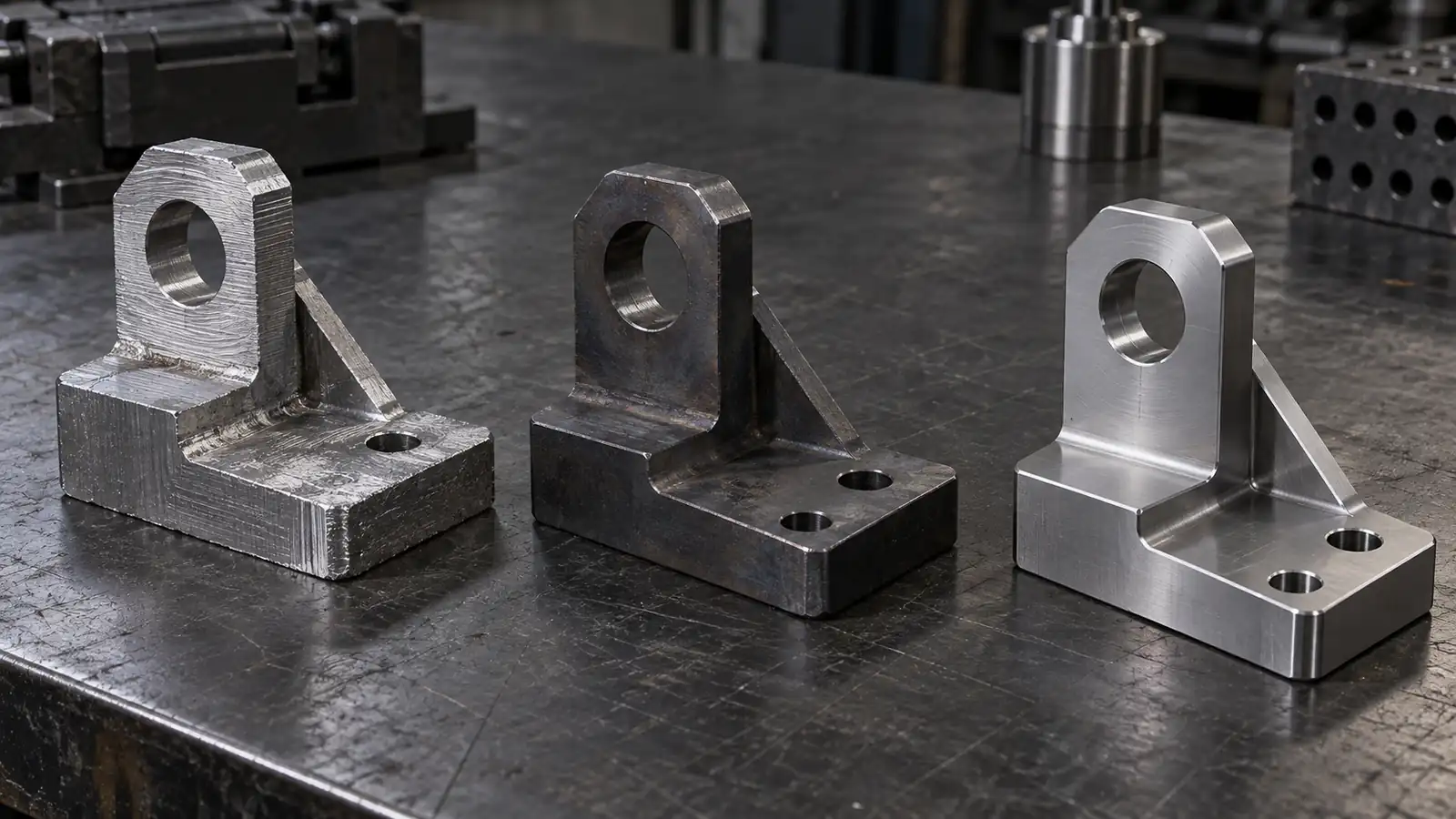
CNC machining is a subtractive manufacturing process. This means the machine starts with a solid block, bar, plate, or billet of material and removes unwanted material until the final part shape is achieved.
Common CNC machining processes include:
- CNC milling
- CNC turning
- 5-axis CNC machining
- CNC drilling
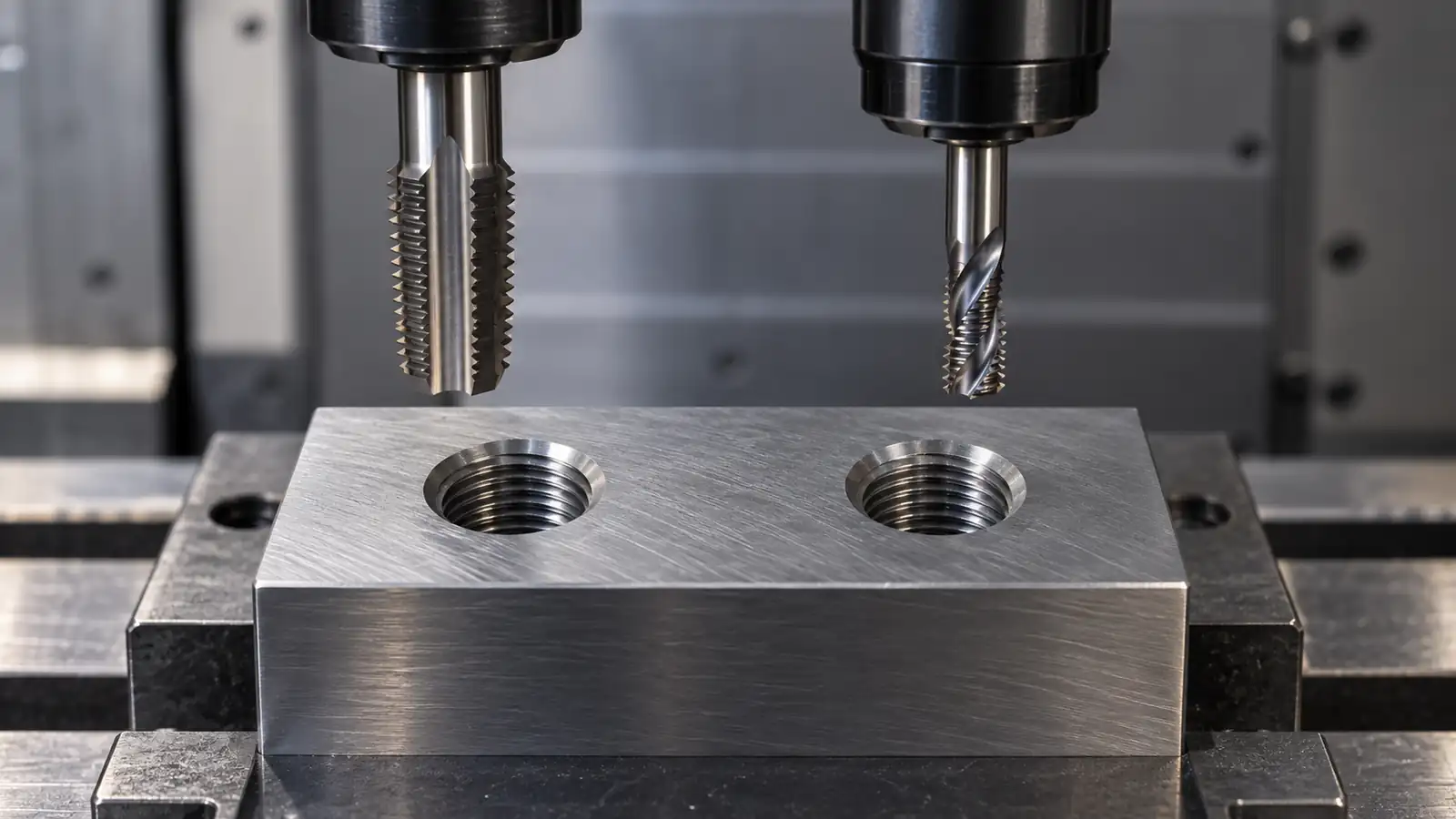
- CNC tapping
- CNC boring
- CNC grinding
- Wire EDM and related precision machining processes
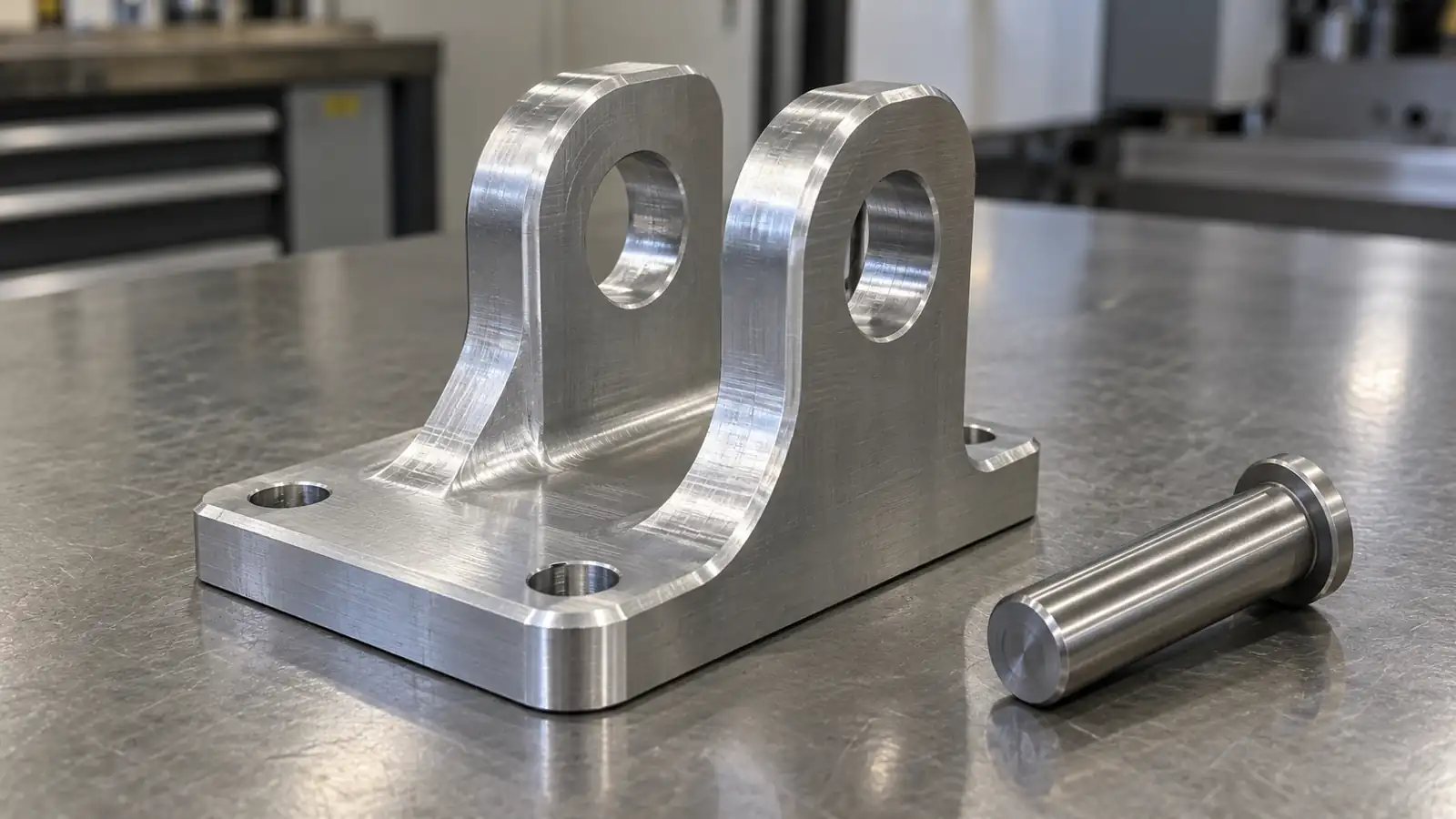
CNC machining is especially suitable for parts that require tight tolerances, strong materials, accurate features, smooth surfaces, and repeatable production quality.
Need CNC parts for your project?
Send your 3D files and drawings to JIZAO CNC. Our machining engineers review every inquiry to check manufacturability, precision risks, and quotation practicality before production.
How Does a CNC Machine Work?
[Image: Step-by-step CNC machining workflow from CAD model to CAM programming to machining and inspection]
A CNC machine works by converting a digital part design into controlled machine movements. The basic workflow usually includes CAD design, CAM programming, machine setup, machining, inspection, and shipment.
First, the part is designed in CAD software. CAD stands for Computer-Aided Design. This digital 3D model defines the shape, dimensions, holes, threads, pockets, surfaces, and assembly features of the part.
Next, the CAD model is imported into CAM software. CAM stands for Computer-Aided Manufacturing. CAM software creates toolpaths, chooses cutting tools, calculates feeds and speeds, and generates machining instructions for the CNC machine.
After programming, the machinist prepares the machine. This includes loading raw material, installing tools, setting fixtures, defining the work coordinate system, and confirming the machining setup.
The CNC controller then reads the program and moves the cutting tool or workpiece along the required axes. During machining, material is removed through milling, turning, drilling, boring, tapping, or other operations.
After machining, the part is deburred, cleaned, inspected, and finished according to the drawing requirements. For precision parts, inspection may include dimensional checks, surface verification, CMM measurement, material documentation, or first article inspection.
At JIZAO CNC, every project is reviewed against the drawing and order requirements. Inspection reports can also be provided upon request for projects that require verification and traceability.
The Language of CNC: G-Code and M-Code
[Image: CNC programming screen showing toolpath simulation and G-code commands]
CNC machines follow a programming language made up of alphanumeric commands. The two most common types are G-code and M-code.
G-code controls the movement of the machine. It tells the machine where the cutting tool should go, how fast it should move, and what type of motion should be performed. For example, G-code can control rapid positioning, linear cutting, circular interpolation, drilling cycles, and coordinate changes.
Common G-code functions include:
- Rapid movement
- Linear cutting movement
- Circular movement
- Tool length compensation
- Canned drilling cycles
- Work coordinate selection
M-code controls machine functions that are not directly related to tool movement. These commands can start or stop the spindle, activate coolant, change tools, stop the program, or control other auxiliary machine functions.
Common M-code functions include:
- Spindle start and stop
- Coolant on and off
- Tool change
- Program stop
- End of program
A good CNC program is not just a list of coordinates. It must consider material behavior, tool rigidity, fixture stability, cutting force, chip removal, surface finish, tolerance requirements, and collision risk.
Pro Tip: Feeds and speeds are critical in CNC machining. Incorrect cutting parameters can cause tool wear, poor surface finish, vibration, dimensional errors, or broken tools. For difficult materials or tight-tolerance parts, experienced machining engineers should review the machining strategy before production.
Drive Systems: Precision and Control
CNC machine precision depends heavily on the machine structure, controller, motor drive system, feedback system, spindle quality, thermal stability, tooling, and setup.
Many CNC machines use either open-loop or closed-loop control systems.
An open-loop system sends commands to the motor without real-time position feedback. This type of system is simpler and lower cost, but it may not detect position errors if the machine loses steps or encounters unexpected cutting resistance.
A closed-loop system uses feedback devices such as encoders to monitor actual position. The controller compares the commanded position with the actual position and makes corrections. This improves accuracy, repeatability, and process stability.
Industrial CNC machines generally rely on rigid structures, servo systems, precision guideways, accurate ball screws, and stable control systems to achieve reliable machining performance.
For high-precision custom parts, machine stability matters as much as programming. Temperature changes, tool deflection, workpiece clamping, material stress, and tool wear can all influence the final part dimensions. This is why engineering review and process control are important for demanding CNC projects.
Types of CNC Machines and Their Capabilities
Different CNC machines are designed for different part shapes, materials, and manufacturing requirements. Choosing the right machine type can reduce cost, improve quality, and shorten lead time.
| CNC Machine Type | Core Process | Best Applications |
|---|---|---|
| CNC Milling Machine | Uses rotating cutting tools to remove material from a stationary workpiece. Available in 3-axis, 4-axis, and 5-axis configurations. | Housings, brackets, plates, fixtures, prototypes, molds, complex mechanical components. |
| CNC Turning Machine / CNC Lathe | Rotates the workpiece while a cutting tool removes material. Some lathes include live tooling for milling features. | Shafts, pins, bushings, sleeves, threaded parts, round housings, connectors. |
| 5-Axis CNC Machine | Moves the cutting tool or workpiece across five axes, allowing machining from multiple angles in fewer setups. | Complex aerospace, robotics, medical, UAV, optical, and multi-face precision parts. |
| CNC Router | Similar to milling but often used at higher spindle speeds for softer materials. | Plastics, acrylic, foam, wood, signage, panels, and lightweight non-metal parts. |
| Wire EDM | Uses electrical discharge to cut conductive materials with high precision. | Sharp internal corners, fine profiles, hardened metals, deep narrow slots, precision inserts. |
| CNC Grinding Machine | Uses abrasive wheels to achieve high accuracy and fine surface finish. | Precision shafts, bearing surfaces, hardened components, high-accuracy finishing. |
| Waterjet Cutting Machine | Uses high-pressure water, often mixed with abrasive, to cut material without heat-affected zones. | Sheet, plate, stone, composites, thick materials, heat-sensitive materials. |
| CNC Plasma Cutter | Uses ionized gas to cut conductive metals. | Steel plate cutting, structural metal profiles, industrial fabrication. |
For most custom parts, CNC milling and CNC turning are the most common choices. For complex geometries, multi-face parts, thin-wall structures, and high-precision components, 5-axis CNC machining can reduce setup errors and improve feature alignment.
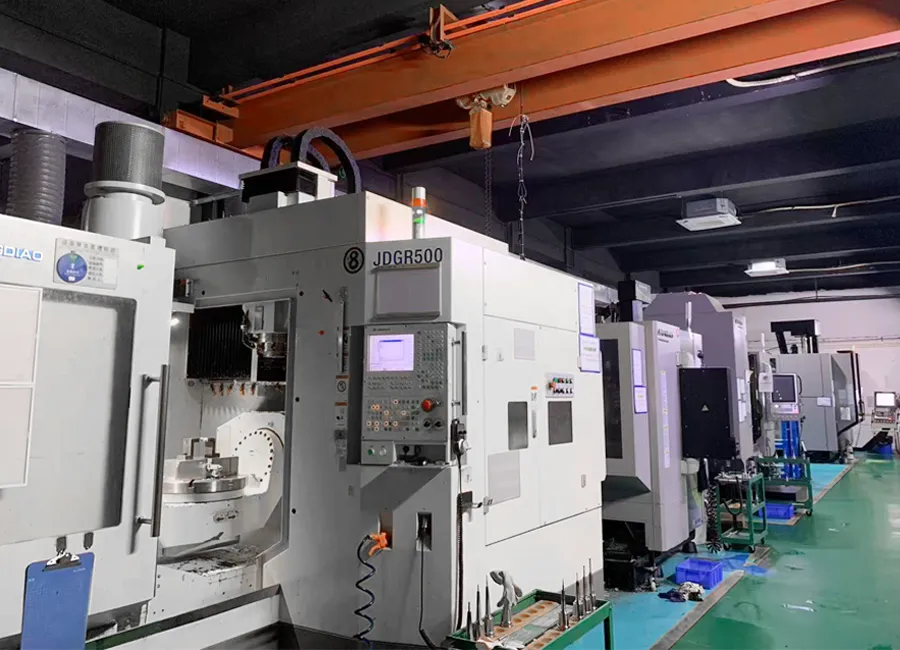
JIZAO CNC offers CNC machining, 5-axis machining, 3D printing, and vacuum casting, helping customers choose the right process for prototypes, small batches, and production parts.
Key Advantages of CNC Manufacturing
CNC manufacturing is popular because it combines precision, repeatability, material versatility, and production flexibility.
High precision is one of the biggest advantages. CNC machines can follow programmed toolpaths accurately and repeatedly, making them suitable for engineering parts with tight dimensional requirements. JIZAO CNC can support CNC machining tolerances as tight as ±0.025 mm for suitable projects and drawings.
Repeatability is another major benefit. Once the CNC program, tooling, fixture, and inspection plan are verified, the same part can be produced repeatedly with consistent dimensions and features. This is important for parts used in assemblies, test fixtures, robotics, medical equipment, and industrial systems.
Material versatility makes CNC machining useful across many industries. Common CNC materials include aluminum, stainless steel, carbon steel, brass, copper, titanium, POM, PEEK, ABS, nylon, acrylic, and other engineering plastics.
Strong mechanical properties are also important. Since CNC parts are machined from solid material, they often provide better strength, heat resistance, and functional performance than some prototype processes.
Fast prototyping is another advantage. CNC machining can produce functional prototypes quickly without expensive mold tooling. For eligible projects, JIZAO CNC can support prototype parts with lead times as fast as 1 day.
Scalability allows CNC machining to support both prototypes and production runs. A project may start with a few prototype parts, then move into small batch or mass production after design validation.
CNC Design Guidelines and CNC Cost Drivers
[Image: CNC design guideline illustration showing internal corner radius, deep pocket, thin wall, and hole depth]
Good design can reduce CNC machining cost, lead time, and production risk. Poor design can increase machine time, require special tooling, cause deformation, or make the part difficult to inspect.
Here are common CNC design guidelines to consider before requesting a quote.
Add internal corner radii.
End mills are round, so they cannot create perfectly sharp internal vertical corners. Add a radius to internal corners whenever possible. A larger corner radius allows stronger tools, faster machining, and lower cost.
Avoid unnecessarily deep pockets.
Deep pockets require long tools, slower cutting speeds, and more careful chip removal. Very deep cavities may cause tool deflection, vibration, poor surface finish, and dimensional errors.
Control thin walls carefully.
Thin walls can vibrate or deform during machining, especially in aluminum, plastic, and thin structural parts. If thin walls are required for weight reduction, discuss the design with your CNC supplier before production.
Use standard hole sizes when possible.
Standard drill sizes and thread sizes are easier and faster to machine. Custom holes, deep holes, and tight-tolerance holes may require special tools or extra inspection.
Do not overuse tight tolerances.
Tight tolerances increase machining time, inspection time, and scrap risk. Apply tight tolerances only to functional or assembly-critical features. Use general tolerances for non-critical dimensions.
Choose material wisely.
Material affects machining speed, tool wear, surface finish, cost, and delivery time. Aluminum is generally easier to machine than stainless steel or titanium. Engineering plastics may require different strategies to control heat and deformation.
Define surface finish requirements clearly.
Surface finish can affect appearance, friction, sealing, fatigue performance, and assembly. However, very fine surface finish requirements may increase processing time.
Main CNC cost drivers include:
- Material type and size
- Part complexity
- Number of setups
- Machine type required
- 3-axis vs. 5-axis machining
- Tight tolerance requirements
- Surface finish requirements
- Deep pockets and thin walls
- Internal sharp corners
- Threaded features
- Quantity
- Inspection documentation
- Post-processing and packaging requirements
For faster and more accurate quoting, send both 3D CAD files and 2D drawings. Include material, quantity, tolerance requirements, surface finish, critical dimensions, threaded hole specifications, and any inspection report requirements.
Overcoming CNC Limitations and Risks
[Image: CAM simulation showing toolpath collision checking before CNC machining]
CNC machining is powerful, but it also has limitations. Understanding these limitations helps engineers design better parts and avoid unnecessary cost.
One common limitation is tool access. Cutting tools must physically reach the area being machined. Deep cavities, undercuts, internal corners, and hidden features may require special tools, additional setups, 5-axis machining, EDM, or design changes.
Another limitation is tool geometry. Since most cutting tools are cylindrical, internal corners will have radii. Sharp internal corners are difficult or impossible to create with standard milling.
Workholding can also create challenges. The part must be clamped securely during machining, but clamps and fixtures must not interfere with tool movement. Complex parts may require custom fixtures or multiple setups.
Material stress and deformation are important for thin-wall parts, large plates, and some plastics. Removing material can release internal stress and cause parts to bend or twist. Stable machining strategy and inspection planning are important for these parts.
Collision risk is another issue. Incorrect toolpaths, poor setup, wrong tool length, or fixture interference can damage the part, cutting tool, or machine. Professional CNC shops use CAM simulation, setup verification, and experienced machinists to reduce this risk.
For companies without their own machine shop, building in-house CNC capability can require high investment in machines, tooling, software, skilled operators, inspection equipment, and maintenance. Outsourcing to an experienced CNC machining supplier can reduce fixed cost while giving access to industrial equipment and engineering support.
JIZAO CNC helps customers reduce CNC project risks through engineer review, manufacturability feedback, drawing-based inspection, and quality control from production to shipment.
CNC Machining vs. Manual Machining
Manual machining depends on an operator controlling the machine by hand. The operator uses handwheels, levers, visual measurement, and experience to cut the part.
Manual machining is still useful for simple one-off modifications, quick repairs, basic fixtures, and low-complexity parts. For very simple jobs, manual machining may be faster than programming a CNC machine.
However, CNC machining is usually better for complex geometries, tight tolerances, repeatable production, multi-feature parts, and digital manufacturing workflows.
The main differences include:
| Comparison Point | CNC Machining | Manual Machining |
| Control Method | Computer-controlled program | Operator-controlled movement |
| Best For | Complex, repeatable, precision parts | Simple one-off work or repairs |
| Repeatability | High | Depends heavily on operator skill |
| Complexity | Suitable for complex 3D geometry | Limited for complex features |
| Production Runs | Suitable for prototypes and batches | Less efficient for repeated parts |
| Setup | Requires CAD/CAM programming and setup | Requires manual setup and operator control |
| Quality Control | Easier to standardize | More dependent on manual operation |
For a simple bracket or basic modification, manual machining may be enough. For a complex aluminum housing, 5-axis UAV part, medical component, robotics part, or tight-tolerance assembly feature, CNC machining is usually the better choice.
Accelerating Production with JIZAO CNC
[Image: JIZAO CNC engineer reviewing a technical drawing beside CNC machined parts]
Choosing the right CNC supplier is as important as choosing the right machining process. A good supplier should not only machine parts, but also review drawings, identify manufacturability risks, communicate clearly, inspect parts carefully, and support delivery requirements.
JIZAO CNC is a Shenzhen-based custom parts manufacturing company serving global customers. We provide CNC machining, 5-axis CNC machining, 3D printing, and vacuum casting for prototypes, small batches, and production projects.
Every inquiry at JIZAO is reviewed by machining engineers. This helps customers check manufacturability, precision requirements, material selection, machining risks, and quote practicality before production.
Our CNC machining capabilities support milling, turning, precision machining, and 5-axis machining for custom parts. For suitable projects, we can achieve CNC machining tolerances as tight as ±0.025 mm and support prototype lead times as fast as 1 day.
Quality control is built into the process. JIZAO performs inspections throughout production, including pre-production, in-process, and final inspection. Inspection documents such as FAI, dimensional reports, material compliance documents, and functional test records are available upon request.
For international customers, JIZAO supports global shipping, protective packaging, and communication from RFQ review to final shipment. Parts are inspected against drawing requirements before delivery, and packaging can be customized to reduce the risk of transport damage.
What to Prepare for a CNC RFQ
To get a faster and more accurate CNC quote, prepare the following information:
- 3D CAD file, such as STEP, STP, X_T, or IGS
- 2D technical drawing in PDF format
- Material grade
- Quantity
- Surface finish requirements
- Tolerance requirements
- Thread specifications
- Critical dimensions
- Application or assembly requirements
- Inspection report requirements
- Delivery address or shipping country
- Target lead time
With complete project information, JIZAO CNC can typically provide feasibility feedback and quotation within 24 hours after initial response.
Ready to manufacture your CNC parts?
Send your files to JIZAO CNC and get an engineer-reviewed quote for CNC machining, 5-axis machining, 3D printing, or vacuum casting.
FAQs
What does CNC stand for?
CNC stands for Computer Numerical Control. It means that machine tools are controlled by computer-programmed instructions instead of being operated manually.
What is CNC machining?
CNC machining is a subtractive manufacturing process that removes material from a solid workpiece to create a finished part. It is commonly used for metal and plastic parts that require precision, strength, and repeatability.
What is the difference between CNC milling and CNC turning?
CNC milling uses rotating cutting tools to remove material from a stationary workpiece. It is suitable for plates, housings, brackets, pockets, holes, and complex shapes. CNC turning rotates the workpiece while a cutting tool shapes it, making it suitable for shafts, bushings, sleeves, pins, and other round parts.
What is the difference between 3-axis and 5-axis CNC machining?
A 3-axis CNC machine moves along the X, Y, and Z axes. A 5-axis CNC machine adds two rotational axes, allowing the cutting tool to approach the workpiece from more angles. This can reduce setups, improve alignment, and make it easier to machine complex multi-face parts.
Is CNC machining good for prototypes?
Yes. CNC machining is excellent for functional prototypes because it can produce parts from real engineering materials such as aluminum, stainless steel, brass, PEEK, POM, and nylon. It is useful when the prototype must be strong, accurate, and suitable for testing.
What materials can be CNC machined?
Common CNC materials include aluminum, stainless steel, carbon steel, brass, copper, titanium, ABS, POM, PEEK, nylon, acrylic, and other engineering plastics. The best material depends on strength, weight, corrosion resistance, heat resistance, cost, and application requirements.
How can I reduce CNC machining cost?
You can reduce CNC machining cost by avoiding unnecessary tight tolerances, adding internal corner radii, reducing deep pockets, simplifying thin walls, using standard hole and thread sizes, choosing easier-to-machine materials, and sending complete drawings for review.
How fast can I get a CNC quote from JIZAO CNC?
JIZAO CNC responds to inquiries within 12 hours. After receiving complete project information, such as 3D files, drawings, material, quantity, tolerance, finish, and delivery requirements, JIZAO can typically provide feasibility feedback and quotation within 24 hours.
Can JIZAO CNC provide inspection reports?
Yes. Inspection documentation is available upon request. Depending on the project requirements, this may include FAI, dimensional reports, material compliance documents, functional test records, or other agreed quality documents.
When should I choose 5-axis CNC machining?
Choose 5-axis CNC machining when the part has complex geometry, multi-face features, difficult tool access, tight feature alignment, or when reducing setups can improve accuracy. It is often useful for UAV parts, robotics components, medical parts, optical components, and high-precision structural parts.