Blog

Welcome to our blog for deeper insights into manufacturing processes, engineering topics, and practical production guidance.

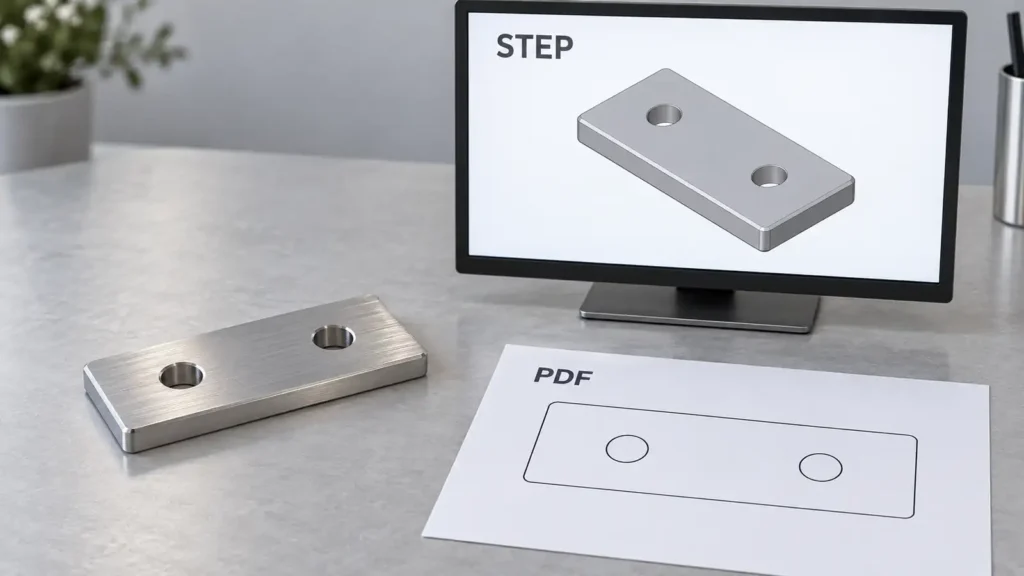
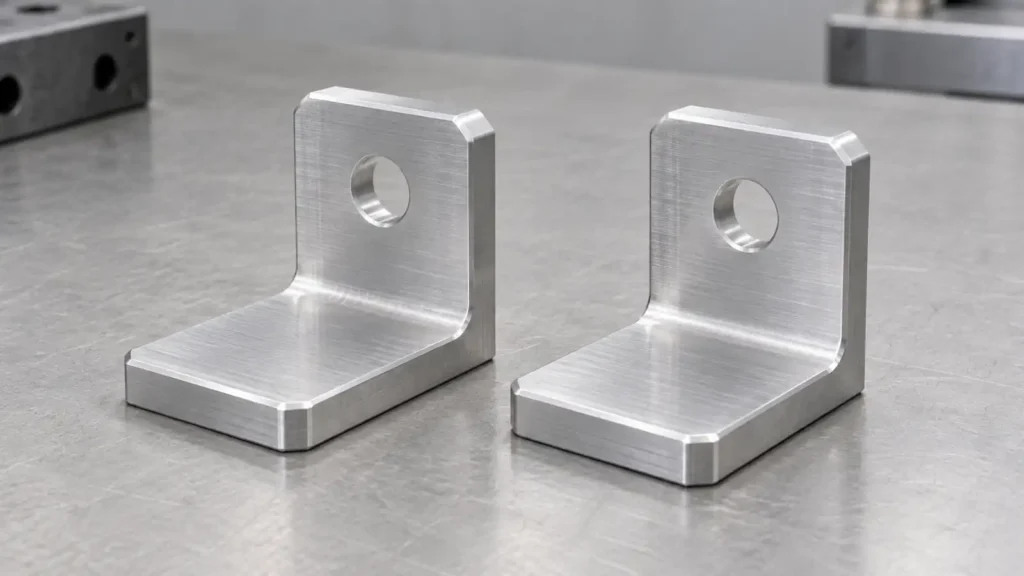
Two similar satin-metal L brackets illustrating that appearance does not identify an aluminum alloy or temper

6061 vs 7075 Aluminum for CNC Parts: Choose Alloy and Temper Together

Choosing between 6061 and 7075 requires more than an alloy name or a headline strength figure. Define the temper, stock form, governing specification, service environment, and evidence required with the material. Use this guide to prepare a traceable CNC material-selection RFQ and identify decisions needing engineering approval.
Read More »
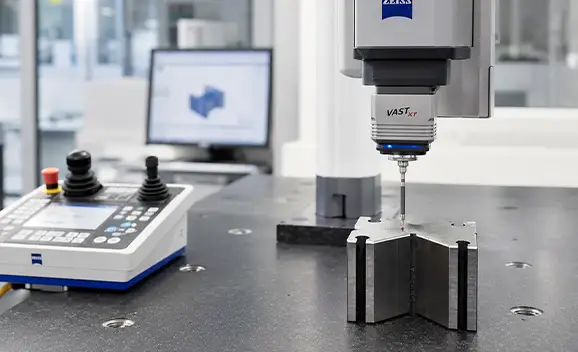
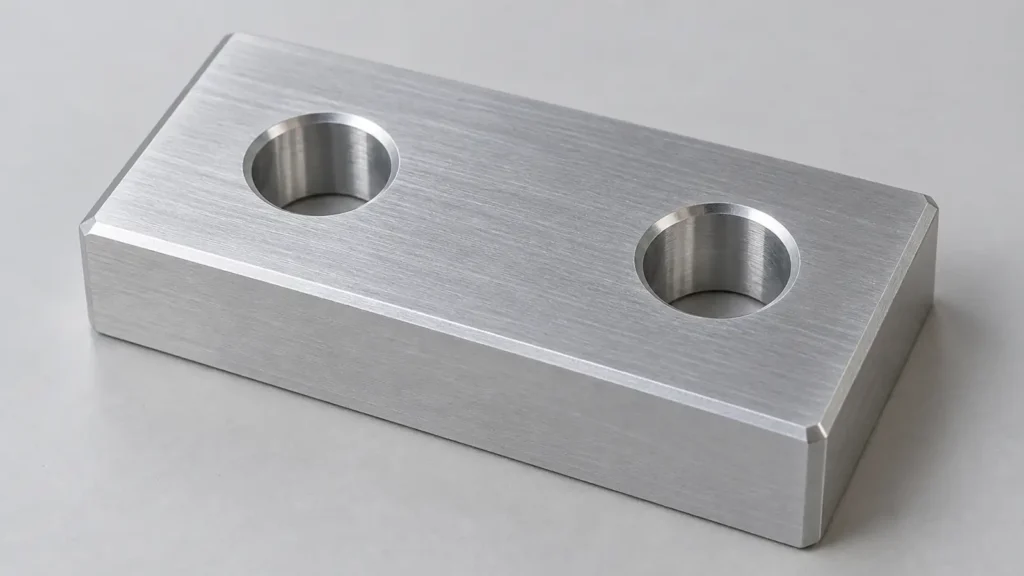
Conceptual aluminum block with two circular openings and chamfered outer and hole-entry edges

Deburring CNC Parts: Define Edge Requirements Before Quoting

Deburring is not a complete edge specification. Learn how to separate general burr removal, dimensioned chamfers or radii, and protected functional edges. This guide provides drawing-review questions and an RFQ checklist to agree on scope, access, and inspection without assuming a universal edge-break size.

Read More »
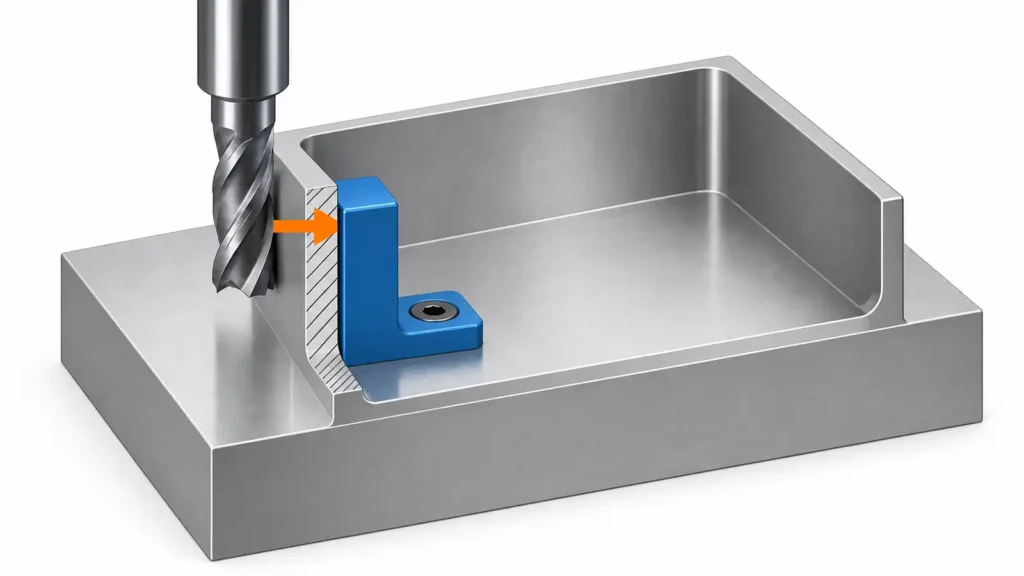
Cutaway pocket with an end mill outside the wall and a blue support bracket contacting the inside face.

How to Control Deformation in Thin-Wall Aluminum CNC Machining

Thin-wall aluminum parts can move during cutting, while clamped, after release, or as residual stress and temperature change. Effective control starts by identifying the dominant mechanism. This guide shows how material condition, stock-removal sequence, cutting-force direction, workholding, thermal planning, and free-state inspection fit into one process plan.

Read More »
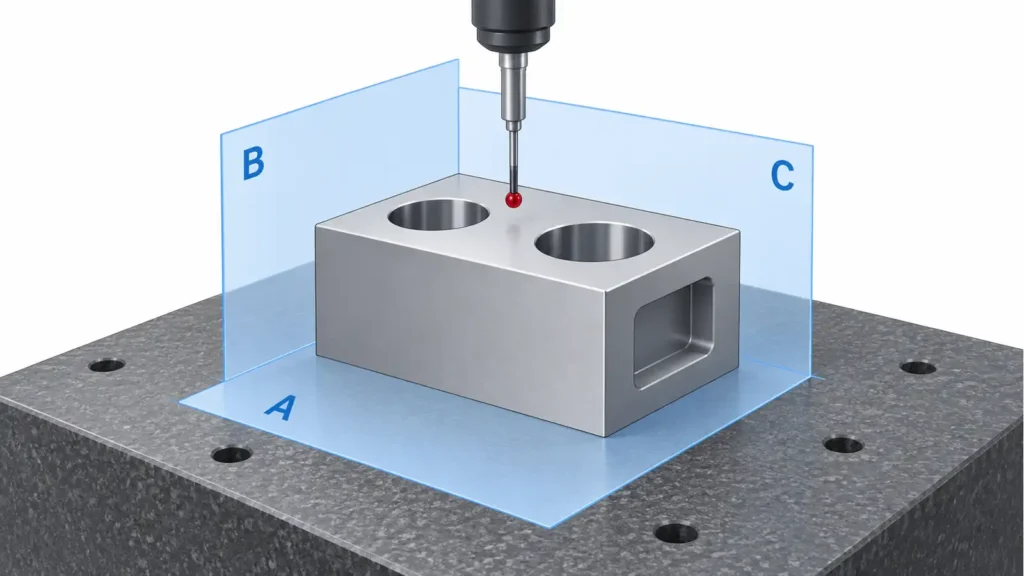
A spherical probe approaches a generic two-bore block surrounded by reference planes labeled A, B and C.

How to Plan GD&T and CMM Inspection for Multi-Face CNC Parts

A CMM program should implement the drawing’s functional datum reference frame—not replace it with a convenient alignment. This guide connects design intent, GD&T, feature access, sampling, fitting methods, fixturing, and task-specific measurement uncertainty so multi-face CNC parts can be inspected with fewer interpretation gaps.

Read More »

News

Follow the latest industry news, market developments, and updates on important trends shaping modern manufacturing.