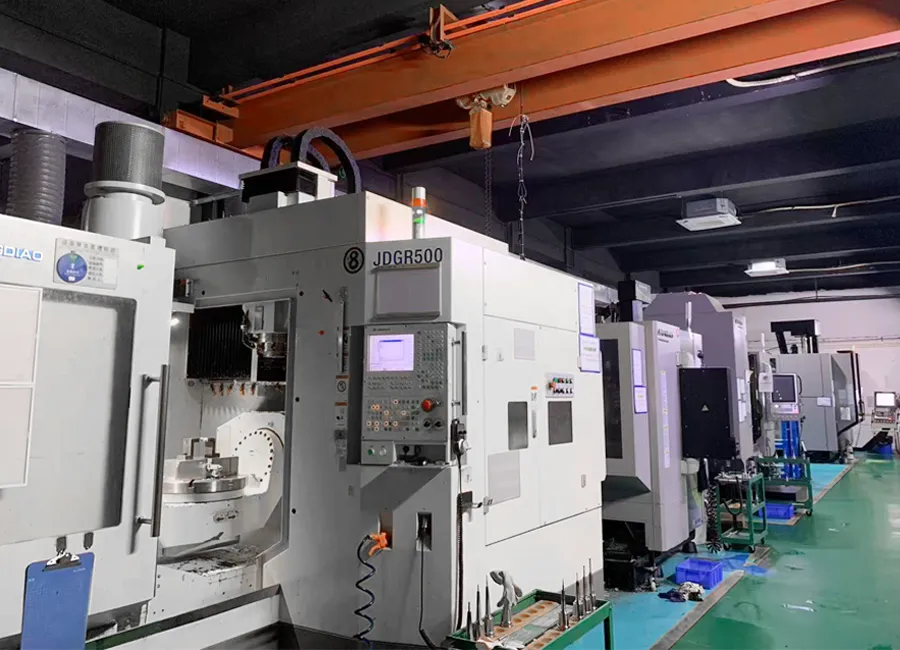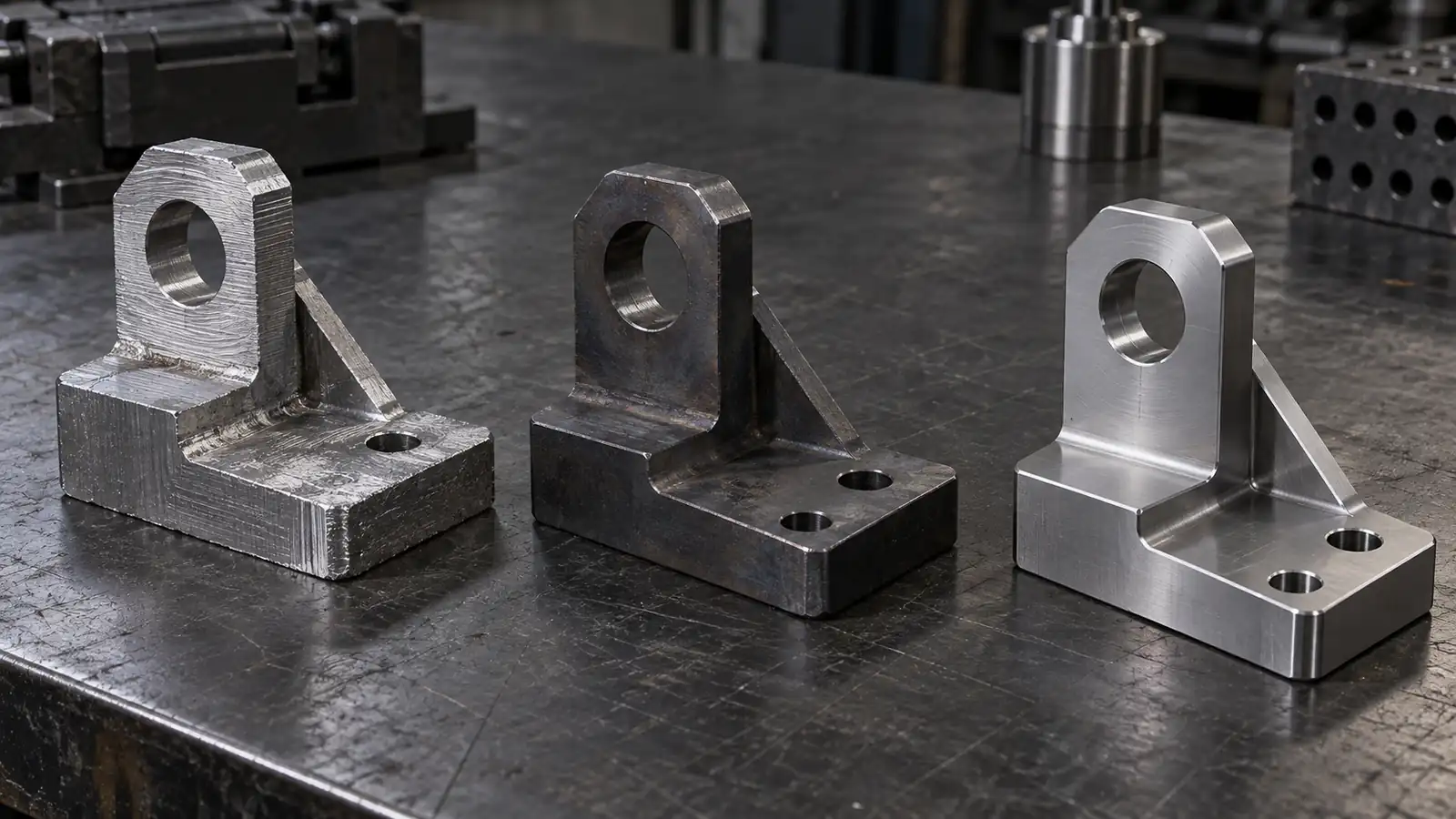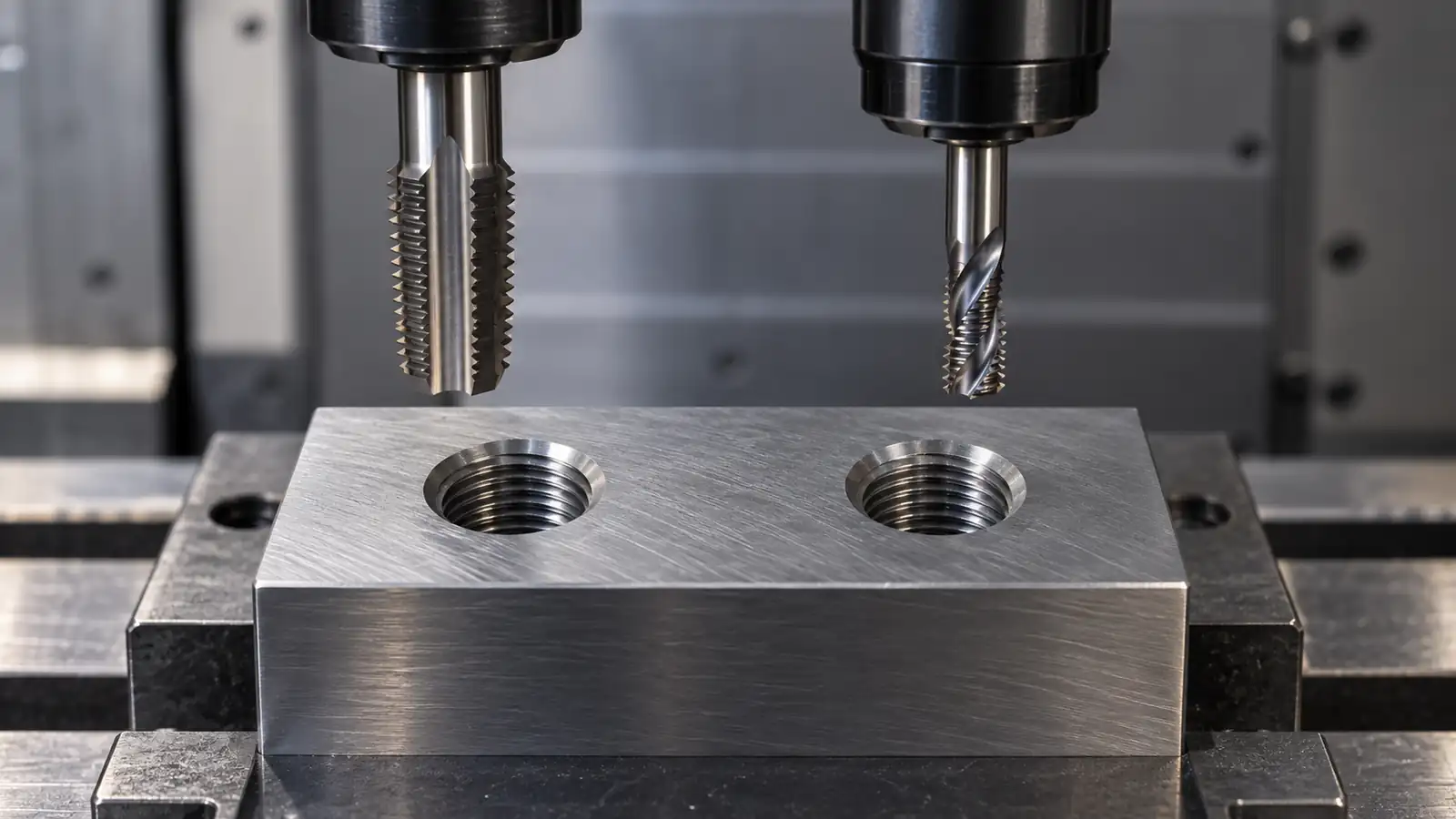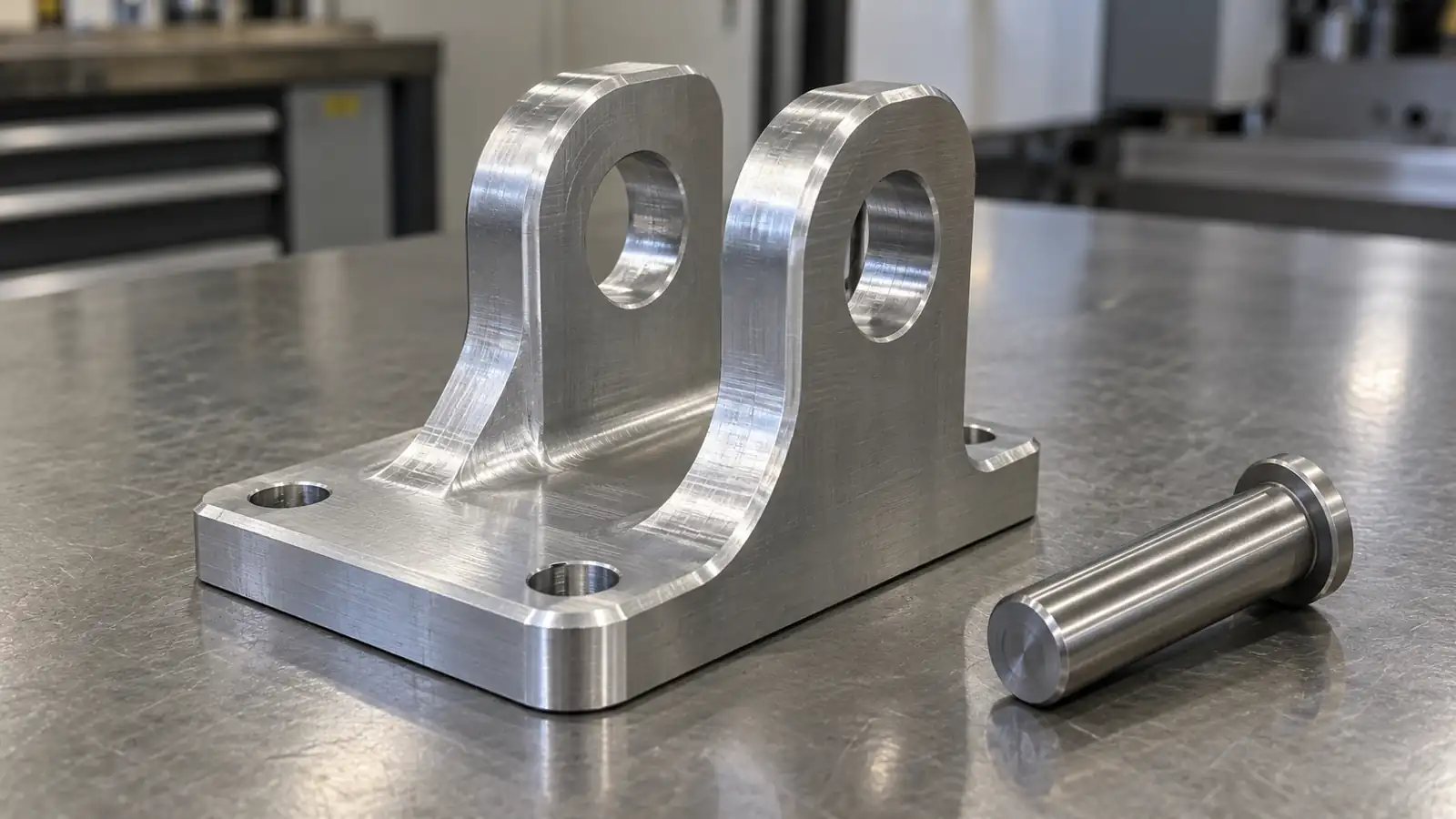
Choosing a CNC machining partner is a technical decision with long-term consequences. A supplier may be able to machine a part, but that alone does not make them the right fit for the project. Reliability comes from a combination of engineering judgment, clear communication, consistent execution, and a realistic understanding of manufacturability.
This becomes especially important when the project involves tight tolerances, functional surfaces, complex geometry, or production scaling. In those cases, the real value of a machining partner is not limited to cutting material. It includes identifying risks early, asking the right technical questions, aligning the process with part requirements, and reducing avoidable surprises before production begins.
For engineers and purchasing teams, the goal should not be to find the cheapest supplier on paper. The goal should be to find a machining partner that can support part quality, provide a sound feasibility review, and communicate clearly from RFQ through delivery.
Why Reliability Matters More Than a Low Initial Quote
A low quotation can look attractive at the beginning of a project, but it does not always reflect the full manufacturing reality. If key requirements are not reviewed carefully, the real cost may appear later in the form of delayed clarification, quality issues, scrap, rework, missed delivery expectations, or repeated engineering changes.
A reliable machining partner helps reduce that risk. They do not simply accept files and return a number. They review the part based on geometry, material, quantity, tolerance requirements, and finish expectations. They identify what is clear, what is missing, and what may affect manufacturability or production stability.
This matters for prototype work and becomes even more important in small-batch and mass production. A supplier who can make one part with extra attention is not always the same supplier who can support stable output over time. Reliability means the process can be understood, repeated, and communicated clearly.
What a Reliable CNC Machining Partner Should Actually Provide
From a customer perspective, reliability usually shows up in a few practical ways:
- clear technical communication
- realistic feasibility feedback
- consistent interpretation of drawings and models
- attention to critical tolerances and part function
- structured response to RFQs and engineering questions
- production support that matches the program stage
This is why supplier selection should go beyond a general impression or a price comparison. Engineers should evaluate how the machining partner thinks, how they review the project, and how clearly they explain the manufacturing path.
1. Start With Technical Understanding, Not Marketing Claims
The first sign of a strong machining partner is how they engage with the technical package. A reliable supplier should pay attention to the actual part requirements rather than respond with generic sales language. If the project includes a 2D drawing, 3D model, material callout, tolerance strategy, and finish notes, those inputs should shape the discussion from the beginning.
A dependable machining partner should be able to review the part in terms of manufacturability, setup complexity, tooling access, tolerance sensitivity, and inspection focus. Even when the part is straightforward, they should understand which features drive risk, cost, or process variation.
This does not mean they must ask endless questions. It means they should ask the right questions when the information is incomplete and avoid pretending that all unknowns are already resolved.
2. Evaluate Feasibility Review Quality
A reliable CNC machining partner should be able to identify potential issues before production starts. This is one of the clearest differences between a transactional supplier and an engineering-driven one.
Feasibility review should consider:
- geometry that may be difficult to machine efficiently
- overly tight tolerances on non-critical features
- unclear or conflicting documentation
- material choices that affect machinability or distortion risk
- finish requirements that may influence process sequence
- features that could require multiple setups or special tooling
The goal of this review is not to reject parts unnecessarily. The goal is to identify risk early so the customer can make better decisions before material is cut.
Table 1. What to evaluate when choosing a CNC machining partner
| Evaluation area | What to look for | Why it matters |
|---|---|---|
| Drawing and model review | Checks revision, dimensions, threads, datum logic, and missing notes | Reduces ambiguity before programming and production |
| Feasibility assessment | Identifies difficult features, tolerance risks, and setup challenges | Helps prevent costly surprises later |
| Material understanding | Reviews grade, condition, and machinability implications | Affects process stability, finish, and dimensional control |
| Tolerance strategy | Distinguishes critical features from general dimensions | Supports efficient machining and inspection |
| Communication quality | Gives clear, direct, technical responses | Reduces delays and misunderstanding |
| RFQ completeness handling | Explains what information is missing instead of assuming | Improves quote accuracy and project clarity |
| Production thinking | Considers repeatability, not just one-off manufacturability | Important when moving from prototype to production |
This table gives a simple rule: the right supplier is not only the one who says yes. It is the one who explains how and under what conditions the part can be made reliably.
3. Check Communication Quality Early
Communication quality is often underestimated during supplier selection. In practice, it is one of the strongest indicators of how the project will run after the order is placed.
A reliable machining partner should communicate in a way that is:
- technically clear
- direct but professional
- specific about open items
- consistent across quotation and engineering discussions
- responsive without being vague
Poor communication usually creates practical problems. Questions are answered incompletely. Assumptions are made without confirmation. Revision control becomes weak. Different people may interpret the same drawing differently. Over time, these issues affect quoting, production, and delivery coordination.
Good communication, by contrast, improves speed and control. When a machining engineer explains a tolerance risk clearly or points out a geometry issue before the order is confirmed, that is a positive sign. It shows the supplier is trying to prevent problems, not just accept the job.
4. Look for Honest Quotation and Scope Definition
A quotation should reflect the real technical scope of the part. If important information is missing, the supplier should say so clearly. A quote built on assumptions may be quick, but it may not be reliable.
A reliable CNC machining partner usually treats quotation as part of feasibility review. The accuracy of the quote depends on the accuracy of the input package. Typical RFQ inputs include:
- 2D drawings
- 3D files
- material specification
- quantity
- critical tolerances
- surface finish requirements
- any confirmed secondary processing requirements
- delivery address
When this information is sufficient, the supplier can provide a more grounded assessment of feasibility and quotation. When the information is incomplete, a reliable supplier should identify what is missing instead of hiding the uncertainty.
This is especially important for projects that move from prototype to production. The quote may need to reflect not only the current build, but also whether the design is likely to be stable and repeatable at higher volumes.
5. Assess How the Supplier Thinks About Quality
Quality in CNC machining is not just final inspection. It starts much earlier, with part interpretation, process planning, workholding, tooling strategy, and identification of critical features.
A reliable machining partner should show that they understand where quality risk comes from. For example:
- thin walls may move during machining
- deep cavities may increase tool deflection
- small radii may force tool limitations
- tight positional requirements may depend heavily on datum strategy
- cosmetic surfaces may need special handling during setup and packing
A trustworthy supplier does not need to present quality as a slogan. It is more convincing when quality appears in the way they review the drawing, discuss critical dimensions, and explain what affects consistency.
For the customer, one useful question is simple: does this supplier understand what matters most on the part? If they focus only on whether the shape can be machined, but not on what drives performance or inspection, that is a warning sign.
6. Prototype Capability Is Not the Same as Production Readiness
Some suppliers are strong at prototypes because they can move quickly and solve problems case by case. Others are better suited for production because they think more about repeatability, setup consistency, and process control. The best machining partners understand the difference and adjust their approach accordingly.
For prototype parts, the goal may be:
- fast design validation
- functional testing
- limited quantity
- design learning before revision freeze
For production parts, the priority shifts toward:
- repeatable setups
- more stable cycle planning
- clearer inspection focus
- better control of variation across batches
- predictable communication during repeated orders
A reliable supplier should be able to discuss the program stage realistically. They should understand whether the part is an early prototype, pilot run, or steady production item, because that affects the best manufacturing approach.
Table 2. Prototype vs. production: what a reliable machining partner should clarify
| Project stage | Main customer goal | What the machining partner should clarify |
|---|---|---|
| Prototype | Validate design, fit, and function | Which features are high risk, which dimensions are most critical, and what can be adjusted for faster learning |
| Small-batch | Verify repeatability and support early demand | Whether the current design supports efficient setups, stable inspection, and manageable process variation |
| Production | Maintain consistent output and quality | Whether the part is ready for repeat manufacture, where cost drivers are, and what requirements need strict control |
This distinction helps customers avoid a common mistake: selecting a supplier based only on the ability to make the first part, without considering whether the process will still work well when the project grows.
7. Review How Problems Are Handled, Not Just How Orders Are Won
Every manufacturing project has some degree of uncertainty. The key question is not whether problems ever appear. The key question is how the supplier responds when a technical issue is found.
A reliable CNC machining partner should handle problems by:
- identifying them early
- explaining them clearly
- separating confirmed facts from assumptions
- proposing practical options where possible
- keeping communication aligned with the drawing and actual part function
This matters more than polished wording. A supplier who raises a manufacturability concern before production may be more valuable than one who stays silent to make the quotation look easier. Early transparency helps protect schedule, quality, and cost.
Customers should be cautious when a supplier appears to agree with every request instantly without explaining tradeoffs. In machining, some requirements are straightforward, but others involve real process consequences. Reliability includes the ability to communicate those consequences honestly.
8. Look for Consistency Between Promise and Process
Trust is built when the supplier’s process matches what they claim. If they say they provide engineer review, the quotation and discussion should reflect actual technical review. If they say they support projects from prototyping to production, their communication should show awareness of both speed and repeatability.
A reliable machining partner does not need to overstate capability. In fact, a more trustworthy sign is usually restraint. Clear scope definition, practical questions, and measured technical feedback are often better indicators than broad claims.
Consistency also matters across the customer experience:
- RFQ handling should be organized
- technical questions should be answered clearly
- missing information should be identified early
- quotation assumptions should be visible
- project communication should remain stable after the order is placed
When these elements are aligned, the customer can make better decisions with less guesswork.
9. Red Flags to Watch Before Placing an Order
Some warning signs are easy to miss at the RFQ stage because the supplier may still appear responsive. However, several patterns can indicate future problems:
- quoting without enough technical information
- ignoring drawing conflicts or unclear notes
- giving generic answers to specific engineering questions
- treating all tolerances as equal without asking what is critical
- avoiding discussion of manufacturability risk
- responding quickly but without technical substance
- failing to distinguish prototype needs from production requirements
None of these points alone proves the supplier is unsuitable, but together they suggest a weaker engineering process.
A better sign is when the machining partner explains what they know, what they need confirmed, and what may affect the result. That type of clarity supports trust.
10. What Customers Should Prepare to Evaluate a Machining Partner Properly
Supplier selection also depends on the quality of the customer’s input. If the technical package is incomplete, even a strong machining partner may need more time to provide a useful review.
To support a proper evaluation, customers should provide:
- 2D drawings and 3D files
- material specification
- quantity
- critical tolerances
- finish requirements
- any confirmed secondary processing requirements
- delivery address
When this information is available, the supplier can evaluate the project more accurately and the customer can judge the quality of the response more fairly.
In other words, choosing the right supplier is not only about asking who can make the part. It is also about seeing who can interpret the project carefully and respond with engineering discipline.
Conclusion
Choosing a reliable CNC machining partner requires more than comparing prices or reviewing general claims. A dependable supplier should be able to understand the drawing package, assess manufacturability, communicate clearly, and align the process with the real priorities of the part.
Reliability shows up in practical ways: careful feasibility review, honest quotation logic, attention to critical requirements, and clear communication from prototype through production. These factors reduce risk far more effectively than a fast but unsupported quotation.
For engineers and buyers, the best machining partner is usually not the one who promises the most. It is the one who understands the work, defines the scope clearly, and helps prevent problems before they affect quality, cost, or delivery.
FAQ
What makes a CNC machining supplier reliable?
A reliable supplier combines technical understanding, clear communication, realistic feasibility review, and consistent support from quotation through production.
Why is feasibility review important before ordering machined parts?
Feasibility review helps identify geometry risks, tolerance issues, unclear documentation, and process constraints before production starts.
Is the lowest CNC machining quote always the best option?
Not necessarily. A low quote may not reflect missing information, manufacturability risk, inspection burden, or long-term production stability.
What should I send when evaluating a CNC machining partner?
You should provide 2D drawings, 3D files, material, quantity, critical tolerances, finish requirements, any confirmed secondary processing requirements, and the delivery address.
Why does communication matter when selecting a machining supplier?
Clear communication reduces assumptions, improves quotation accuracy, supports better engineering decisions, and lowers the risk of manufacturing errors.